- Animals
- ›Arthropods
- ›Hexapods
- ›Insects
- ›Winged and Once-winged Insects
- ›Ants, Bees, Wasps, and Sawflies
- ›Narrow-waisted Wasps, Ants, and Bees
- ›Ants, Bees, and Stinging Wasps
- ›Bees and Apoid Wasps
- ›Square-headed Wasps, Sand Wasps, and Allies
- ›Sand Wasps
- ›Sand Wasps
- ›Spheciina

Cicada-killer Wasps
Sphecius
Cicada killer wasps (the genus Sphecius) are large, solitary, ground dwelling, predatory wasps. They are so named because they hunt cicadas and provision their nests with them, after stinging and paralyzing them. There are 21 species worldwide. The highest diversity occurs in the region between North Africa and Central Asia.
21 branches of this genus, most-observed first
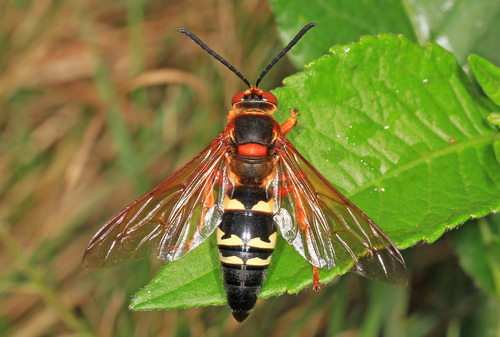
Eastern Cicada-killer Wasp
speciesSphecius speciosus
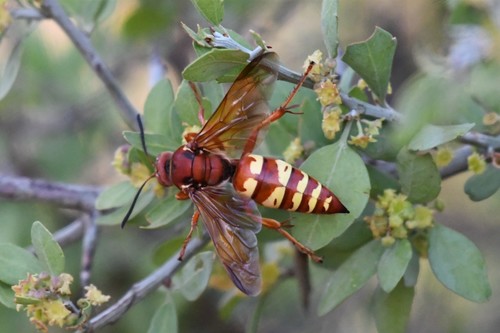
Western Cicada-killer Wasp
speciesSphecius grandis

Pacific Cicada-killer Wasp
speciesSphecius convallis
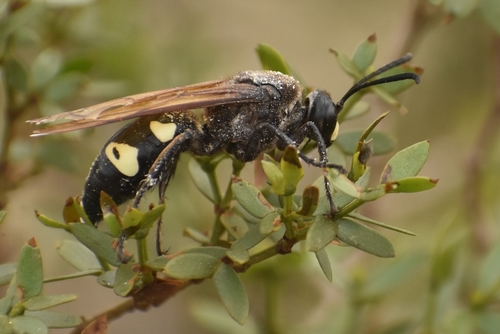
South American Cicada-killer Wasp
speciesSphecius spectabilis
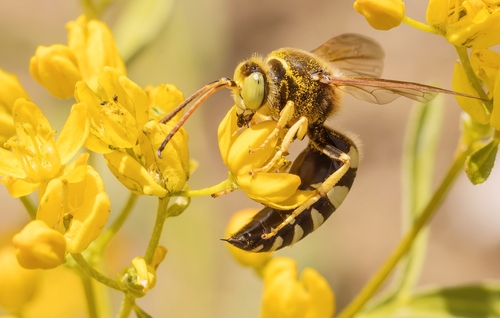
Sphecius antennatus
speciesSphecius antennatus

Sphecius grandidieri
speciesSphecius grandidieri
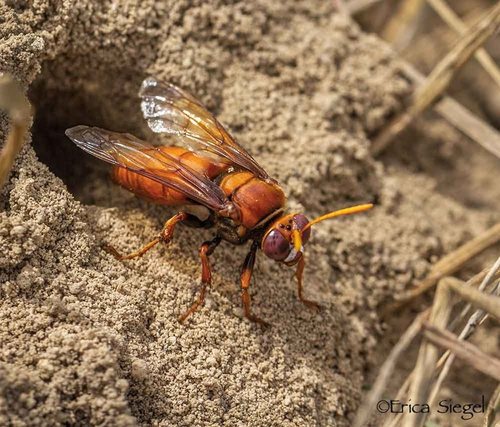
Sphecius pectoralis
speciesSphecius pectoralis

Caribbean Cicada-killer Wasp
speciesSphecius hogardii
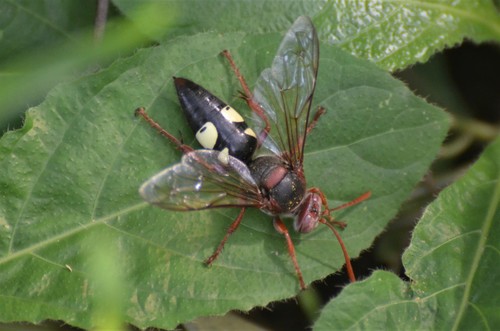
Sphecius milleri
speciesSphecius milleri
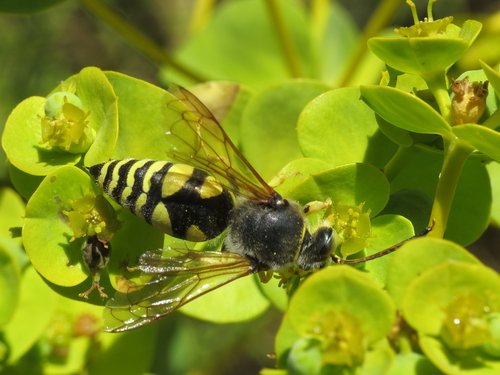
Sphecius nigricornis
speciesSphecius nigricornis
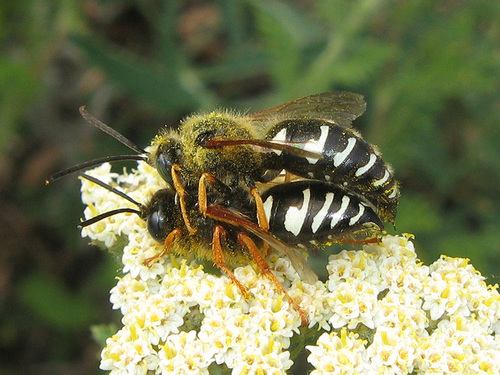
Sphecius conicus
speciesSphecius conicus
Sphecius citrinus
speciesSphecius citrinus
Sphecius schulthessi
speciesSphecius schulthessi
Sphecius quartinae
speciesSphecius quartinae
Sphecius persa
speciesSphecius persa
Sphecius malayanus
speciesSphecius malayanus
Sphecius lutescens
speciesSphecius lutescens
Sphecius intermedius
speciesSphecius intermedius
Sphecius hemixanthopterus
speciesSphecius hemixanthopterus
Sphecius claripennis
speciesSphecius claripennis
Sphecius uljanini
speciesSphecius uljanini
Where it lives
Recorded sightings
—
geo-referenced records in GBIF, from museums, herbaria and field observers.
Drag the globe to turn it. Dots are where records exist, not a range map; darker means more records.
In the stacks
Searching the stacks…
Every page naming Sphecius in the Biodiversity Heritage Library →
This page is assembled live from iNaturalist, GBIF, Wikipedia, the Source Library and the Internet Archive. It is not yet part of the hand-edited codex. iNaturalist taxon 51956.