
Winged and Once-winged Insects
Pterygota
Pterygota ( terrə-GOH-tə Ancient Greek: πτερυγωτός, romanized: pterugōtós, lit. 'winged') is a subclass of insects that includes all winged insects and groups which lost them secondarily.
Pterygota group comprises 99.9% of all insects. The orders not included are the Archaeognatha (jumping bristletails) and the Zygentoma (silverfishes and firebrats), two primitively wingless insect orders. Unlike Archaeognatha and Zygentoma, the pterygotes do not have styli or vesicles on their abdomen (also absent in some zygentomans), and with the exception of the majority of mayflies, are also missing the median terminal filament which is present in the ancestrally wingless insects.
25 branches of this subclass, most-observed first
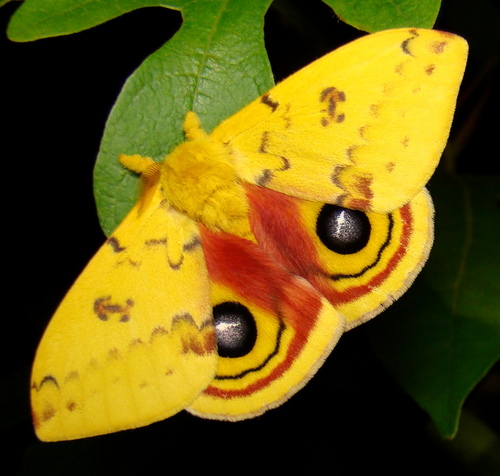
Butterflies and Moths
orderLepidoptera
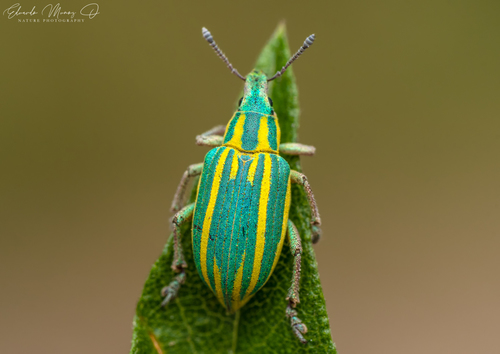
Beetles
orderColeoptera

Ants, Bees, Wasps, and Sawflies
orderHymenoptera
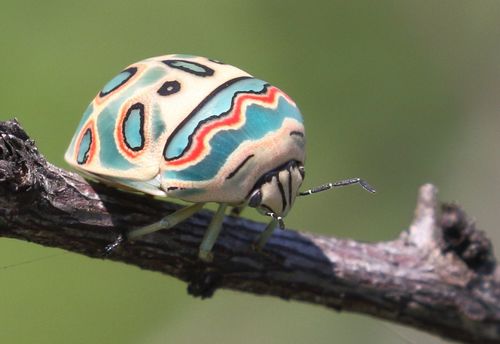
True Bugs, Hoppers, Aphids, and allies
orderHemiptera

Flies
orderDiptera

Dragonflies and Damselflies
orderOdonata
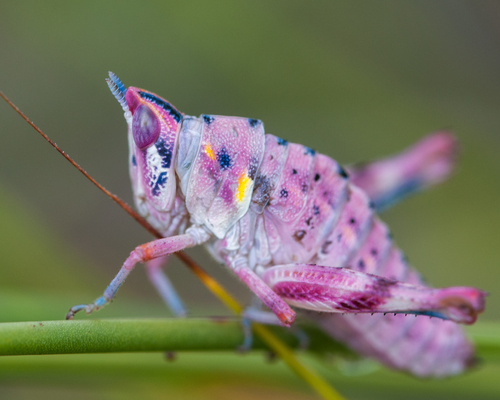
Grasshoppers, Crickets, and Katydids
orderOrthoptera
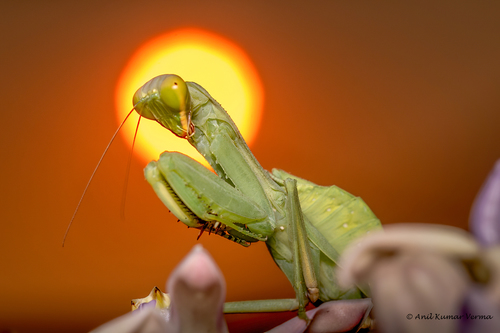
Mantises
orderMantodea

Antlions, Lacewings, and Allies
orderNeuroptera
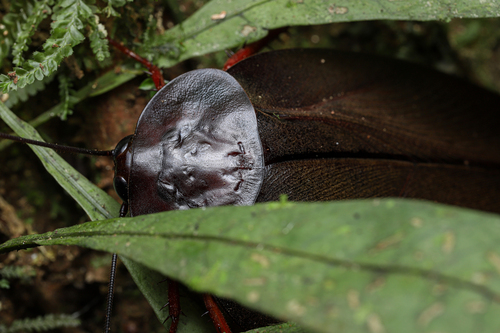
Cockroaches and Termites
orderBlattodea

Caddisflies
orderTrichoptera

Mayflies
orderEphemeroptera

Stick Insects
orderPhasmida

Earwigs
orderDermaptera

Bark Lice, Book Lice, and Parasitic Lice
orderPsocodea
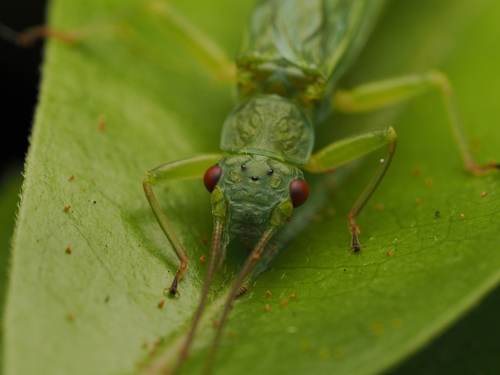
Stoneflies
orderPlecoptera

Alderflies, Dobsonflies, and Fishflies
orderMegaloptera

Scorpionflies, Hangingflies, and Allies
orderMecoptera

Thrips
orderThysanoptera

Snakeflies
orderRaphidioptera

Webspinners
orderEmbioptera
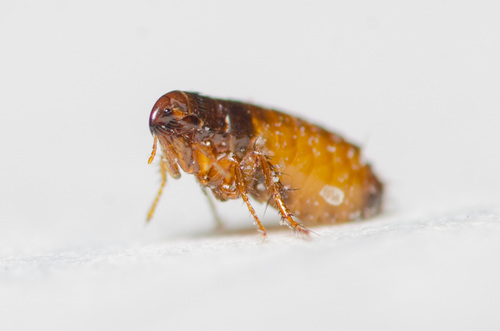
Fleas
orderSiphonaptera

Twisted-wing Insects
orderStrepsiptera

Ice Crawlers and Heelwalkers
orderNotoptera

Angel Insects
orderZoraptera
Where it lives
Recorded sightings
—
geo-referenced records in GBIF, from museums, herbaria and field observers.
Drag the globe to turn it. Dots are where records exist, not a range map; darker means more records.
In the stacks
Searching the stacks…
Every page naming Pterygota in the Biodiversity Heritage Library →
This page is assembled live from iNaturalist, GBIF, Wikipedia, the Source Library and the Internet Archive. It is not yet part of the hand-edited codex. iNaturalist taxon 184884.