The Nature
Library
Liber Naturae
Every plant, animal and fungus that people have recorded, on one turning planet. Read each one as the old herbalists did, by what it can heal, feed or poison, and as naturalists do now, by where it lives and what it is kin to.
- Species named
- 2.61 million
- Records on the globe
- 3.98 billion
- Field photographs
- 359.73 million
Every dot: a place where life has been recorded · drag to turn · tap to open the Atlas
A plan of the library
A plan of the library
Eleven rooms around a reading room with the whole planet in it.
Hover over a room to see what it holds, and click to walk in. The globe at the centre is the Atlas: tap it to find what lives anywhere on Earth.
- 0The Atlas of LifeThe reading room: what lives anywhere on Earth
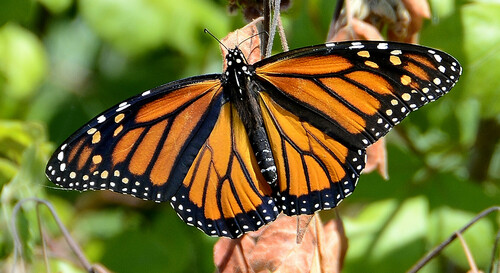
- IBestiary580 animals

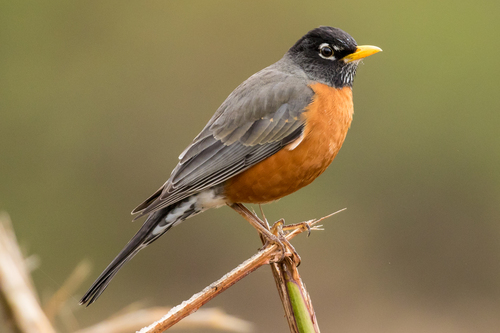
- IIAviary254 birds
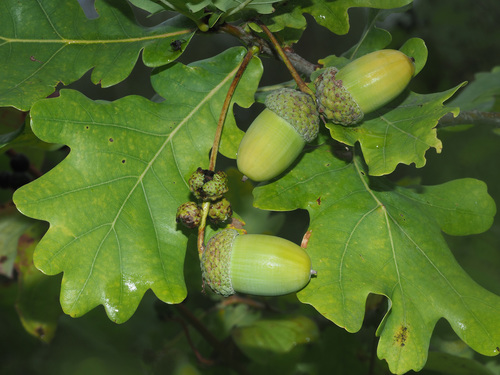
- IIIHerbarium209 plants & fungi
- IVShelves23 shelves

- VGardenyour climate
- VIIdentify91,000 species
- VIIWheelthe tree of life
- VIIICatalogue4.4M names
- IXPlates32,000 plates

- XHerball255 chapters

- XIExhibitions8 exhibitions

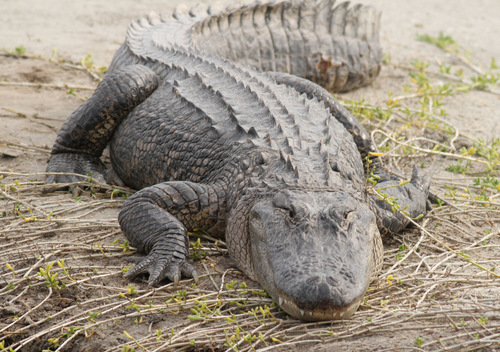
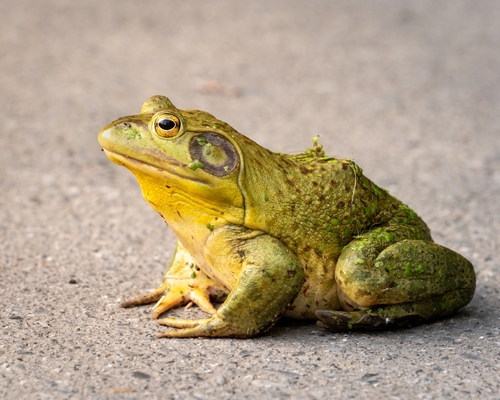
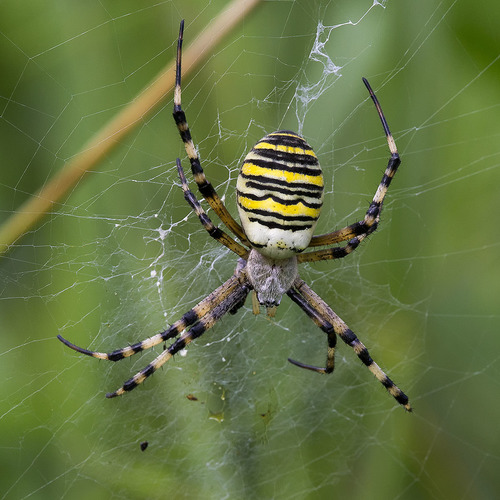
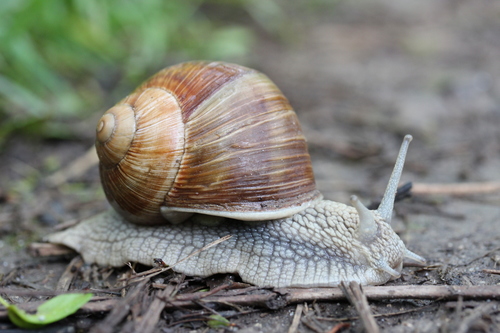
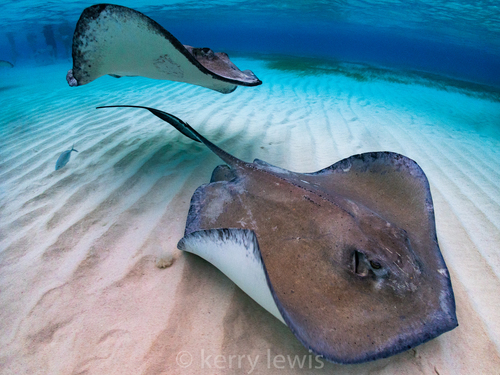
The Bestiary
580 animals →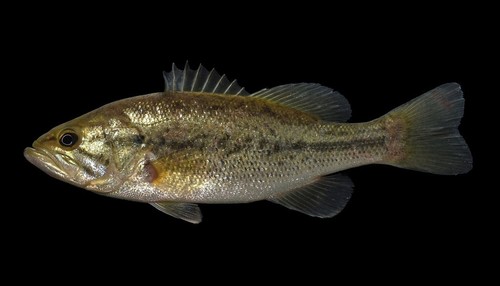
The Aviary
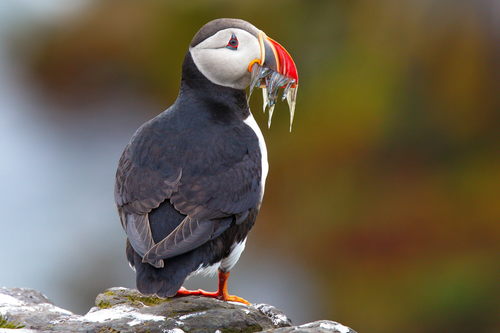
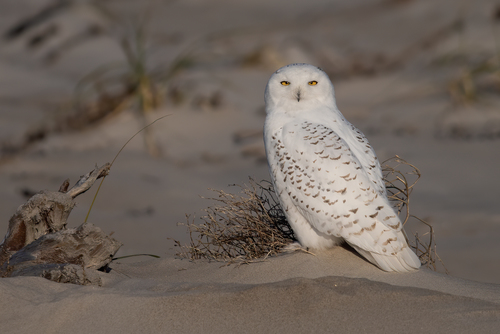
254 birds from every continent and ocean, with the field marks that clinch an identification, the song written out and recorded, and the look-alikes that fool beginners. Share your location and it lists what is singing near you this month.
Enter the Aviary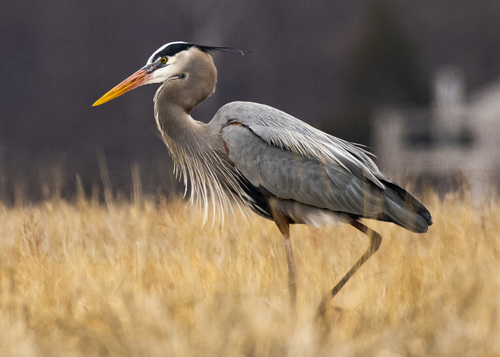

The Herbarium
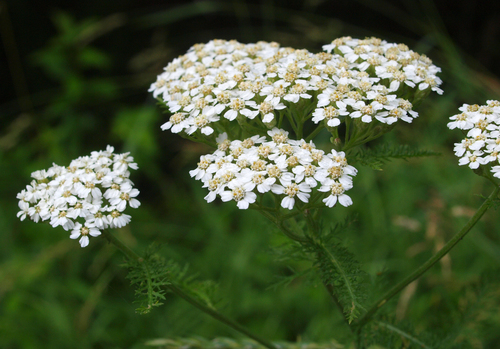
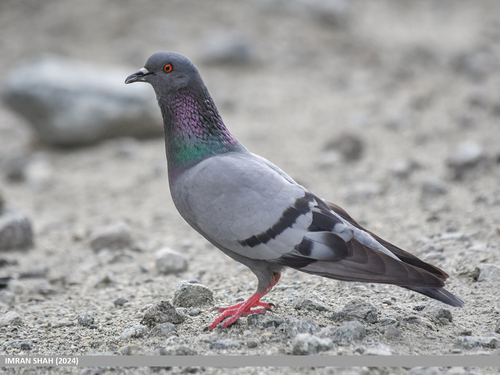
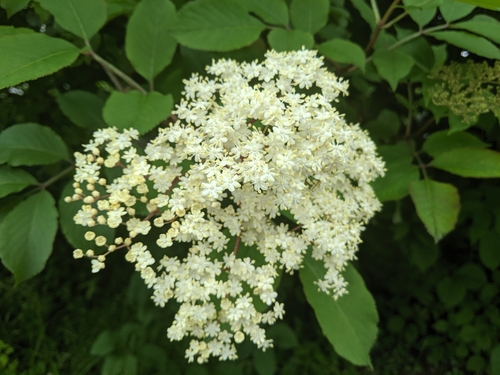
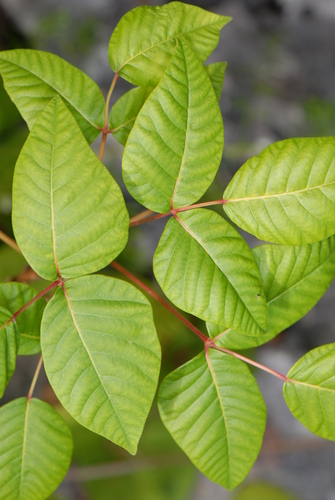
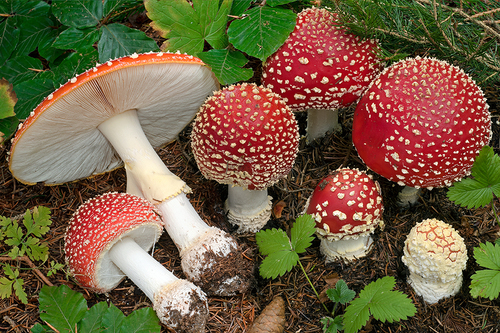
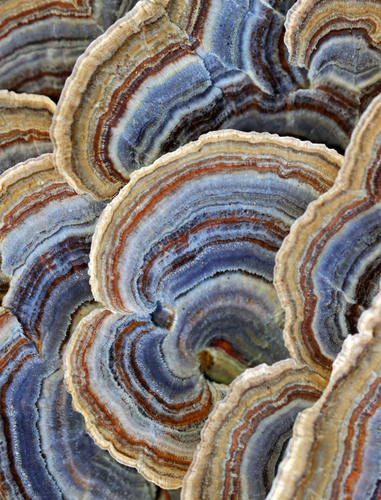
Enter the Herbarium →176 plants and 33 fungi, from oaks and orchids to death caps and lichens, each with what it can do, whether it can be eaten, and how to grow it.


The card catalogue
All 23 shelves →The Medicine Cabinet
Plants and fungi that healers in at least one tradition have prescribed, from Unani hakims to the compilers of the Bencao. Each entry says how strong the modern evidence is.


The Orchard
Everything that bears a fruit people eat, with what the fruit is botanically, when it ripens, and how to raise the tree or vine that carries it.


The Kitchen Garden
Leaves, roots, seeds, flowers and fungi that are safe to eat once properly prepared, and the parts of the same plants that are not.


The Granary
The handful of crops that feed most of humanity: grains, tubers and pulses, and where each one was first domesticated.


The Spice Chest
Bark, bud, seed and stigma that drove sea routes, wars and empires.


The Poison Garden
Plants and fungi that harm. Which part, which toxin, what it does, and the harmless look-alikes it is confused with.


The Locked Case
Species that can kill a person. Read, look, and do not touch.


The Grove
Trees, including the tallest, the widest, and the oldest single organisms ever found.


The Garden Planner
Name your town. The library reads ten years of its weather, works out how cold your winters really get, and lists every codex plant you can grow: physic bed, orchard, kitchen garden and nectary.
Plan a garden →
The Identification Desk
Photograph a leaf, a mushroom, a bird. BioCLIP, a vision model trained across the tree of life, runs in your own browser, compares it with 91,163 species, and tells you what else it could be. The photo never leaves your phone.
Bring a photograph →
Where on Earth is life recorded?
The bright regions are not always the richest. They are where people have looked. Some of the most species-rich places on Earth, the Congo basin, New Guinea, the deep sea, are still dark on this map. Every observation you add lights it a little.
Open the AtlasThe Catalogue of All Life
Not a selection: every name the world's museums, herbaria and checklists have catalogued, 4.4 million of them, each with a page. Walk down the tree from a kingdom, or open any of 249 countries and see every species ever recorded there, down to the ones seen once.
From the Plate Room
31,861 plates →
Hand-colored engraving of a pineapple plant with various life stages of insects.
1705 · Maria Sibylla Merian

Hand-colored engraving of a plant with caterpillars, a pupa, and two moths, illustrating insect metamorphosis.
1705 · Maria Sibylla Merian

Hand-colored engraving of moths and cicadas on a flowering pomegranate branch.
1705 · Maria Sibylla Merian
Scientific illustration of spiders, ants, and a bird on a branch
1705 · Maria Sibylla Merian

Miniature of two vultures facing a central stylized plant
1185 · Anonymous

Botanical plate of Agaricus petaloides mushrooms showing various growth stages and a cross-section.
1791 · Pierre Bulliard

A plate of mythical creatures including basilisks, a dragon, and seven-headed hydras.
1660 · Jan Jonston

Three-tiered illumination depicting the nature of lions, including the revival of cubs.
1210 · Anonymous; Hugh of Fouilloy
Gerard's Herball, 1597, read chapter by chapter
England's great Elizabethan herbal, in its own spelling: the description, place, time, names and “vertues” of 255 plants so far, each beside the page it was printed on, and linked to the living species in the codex.
Enter the Herball Room →


Exhibitions
All exhibitions →


Specimen of the day · NL·0208
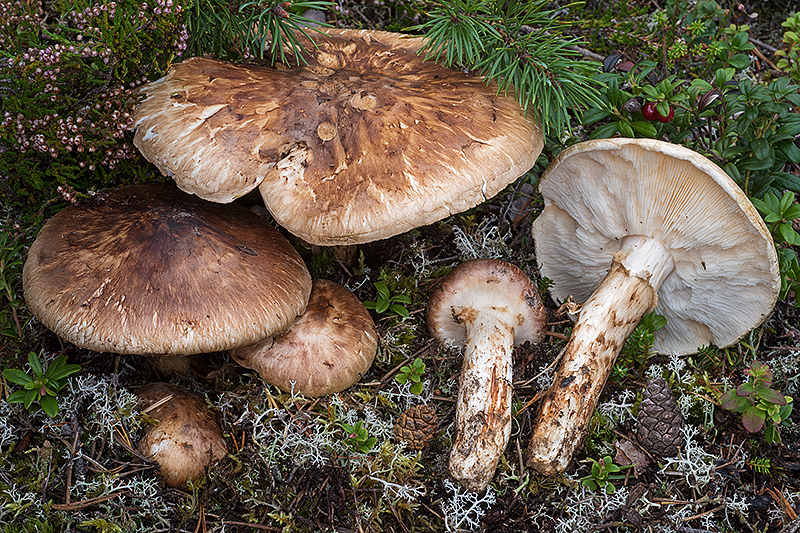
Matsutake
Tricholoma matsutake
A thick-stemmed, scaly brown mushroom that grows under red pine. It has a spicy, cinnamon-and-pine aroma that Japan treasures as the scent of autumn. Top grades sell for hundreds of dollars a kilo. It is listed as Vulnerable because its pine forests are declining.
It canEctomycorrhizal mainly with red pine (Pinus densiflora) and other pines; never cultivated
Read the full specimen sheet →
From the codex
791 hand-edited entries · and every other species in the open stacks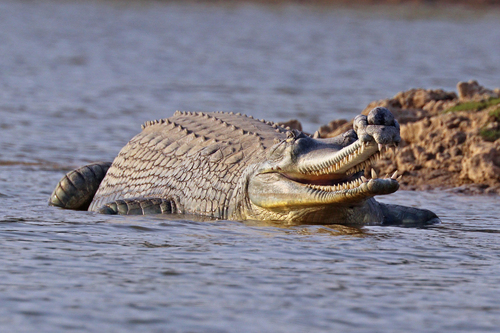
NL·0463 · Gavialidae
Gharial
Gavialis gangeticus
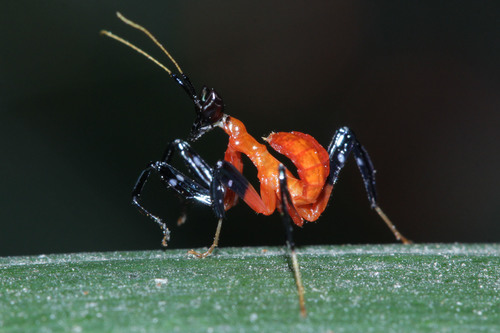
NL·0492 · Hymenopodidae
Orchid mantis
Hymenopus coronatus

NL·0521 · Lucanidae
European stag beetle
Lucanus cervus
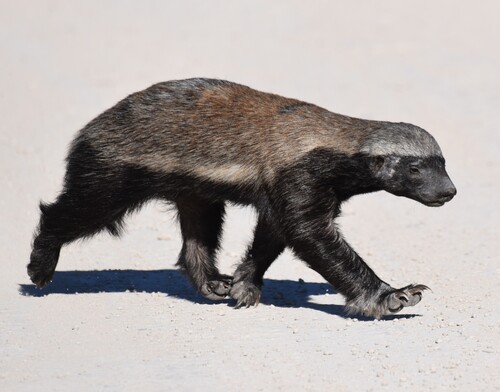
NL·0550 · Mustelidae
Honey badger (ratel)
Mellivora capensis
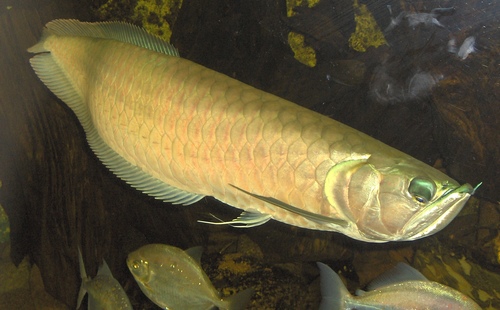
NL·0579 · Osteoglossidae
Silver arowana
Osteoglossum bicirrhosum
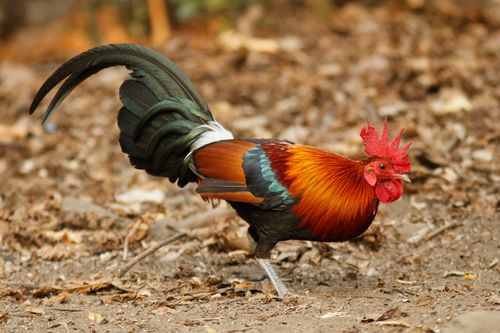
NL·0608 · Phasianidae
Red junglefowl (and domestic chicken)
Gallus gallus

NL·0637 · Ploceidae
Baya weaver
Ploceus philippinus
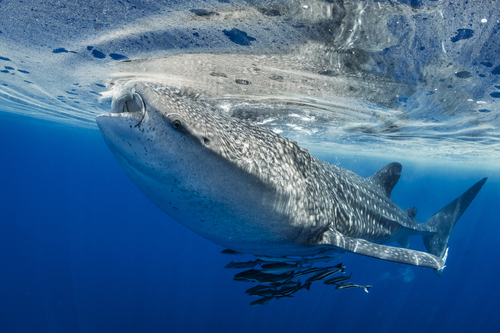
NL·0666 · Rhincodontidae
Whale shark
Rhincodon typus
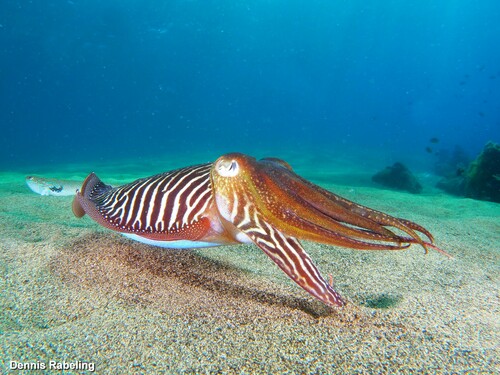
NL·0695 · Sepiidae
Common cuttlefish
Sepia officinalis

NL·0724 · Stromateidae
Silver pomfret
Pampus argenteus
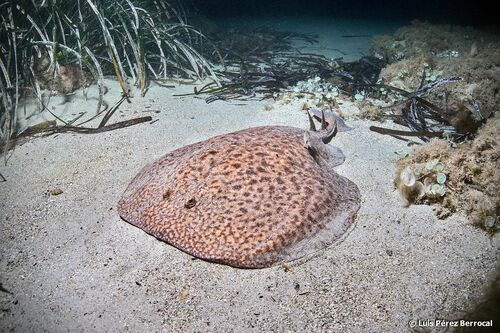
NL·0753 · Torpedinidae
Marbled electric ray
Torpedo marmorata

NL·0782 · Viperidae
Gaboon viper
Bitis gabonica
Why a library of nature
In 2019 the UN's biodiversity panel estimated that around a million species face extinction, many within decades. It is hard to care for what you have never met.
The Nature Library is a place to meet them: by name, by place, by family, and through the eyes of everyone who drew them before us.