- Animals
- ›Arthropods
- ›Hexapods
- ›Insects
- ›Winged and Once-winged Insects
- ›Beetles
- ›Water, Rove, Scarab, Long-horned, Leaf, and Snout Beetles
- ›Elateriform Beetles
- ›Click, Firefly, and Soldier Beetles
- ›Click Beetles
- ›Agrypninae
- ›Headlight Beetles
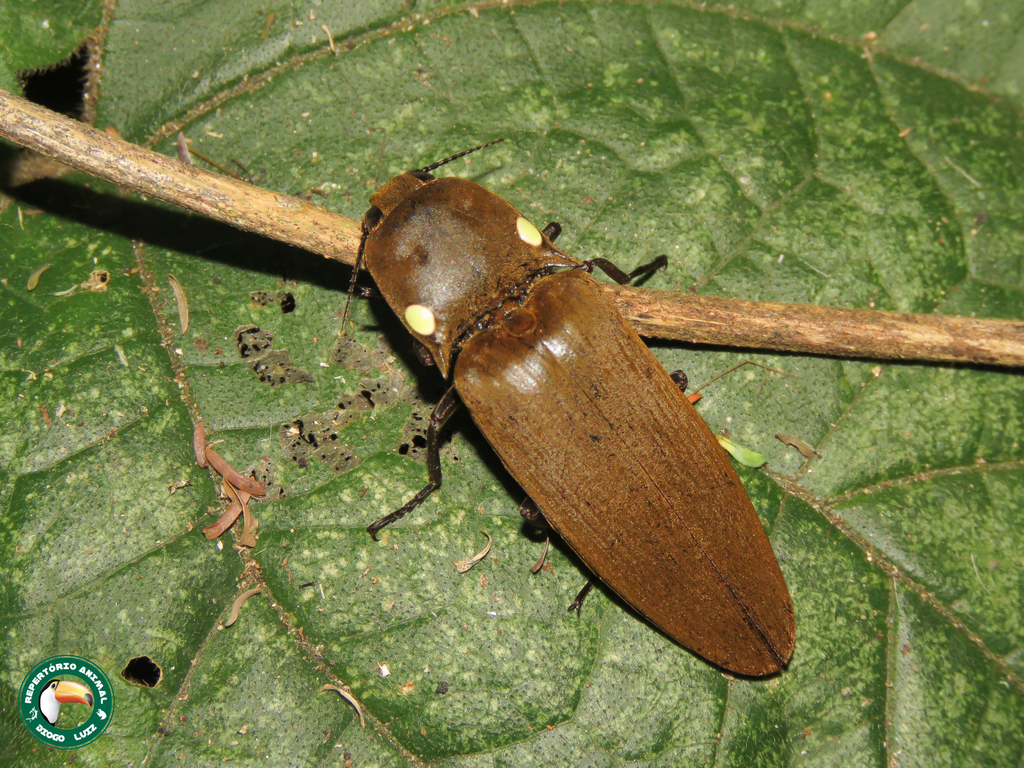
Fire Click Beetles
Pyrophorus
A substance is pyrophoric (from Ancient Greek: πυροφόρος, pyrophoros, 'fire-bearing') if it ignites spontaneously in air at or below 54 °C (129 °F) (for gases) or within five minutes after coming into contact with air (for liquids and solids). Examples are organolithium compounds and triethylborane, as well as actinides. Pyrophoric materials are often water-reactive as well and will ignite when they contact water or humid air. They can be handled safely in atmospheres of argon or (with a few exceptions) nitrogen. Class D fire extinguishers are designated for use in fires involving metals but not pyrophoric materials in general. A related concept is hypergolicity, in which two compounds spontaneously ignite when mixed.
12 branches of this genus, most-observed first
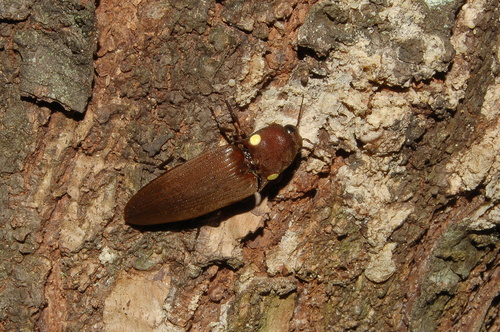
Pyrophorus punctatissimus
speciesPyrophorus punctatissimus

Fire Beetle
speciesPyrophorus noctilucus
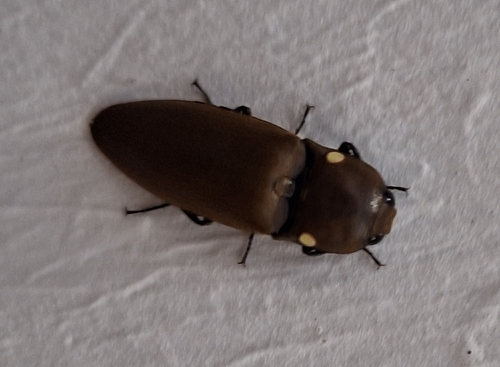
Pyrophorus phosphorescens
speciesPyrophorus phosphorescens

Pyrophorus indistinctus
speciesPyrophorus indistinctus
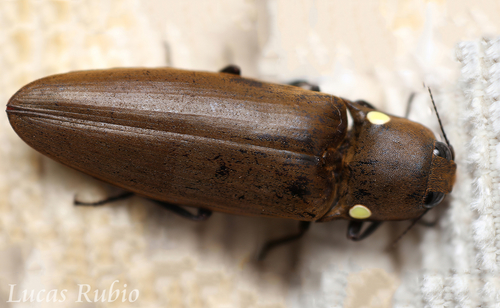
Pyrophorus divergens
speciesPyrophorus divergens

Pyrophorus nyctophanus
speciesPyrophorus nyctophanus
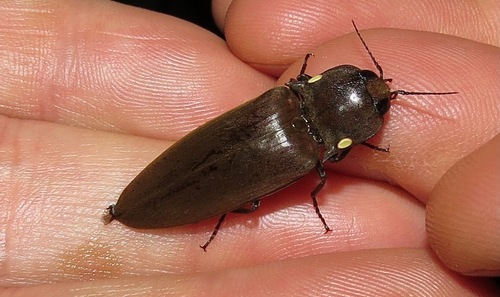
Pyrophorus plagiophthalamus
speciesPyrophorus plagiophthalamus
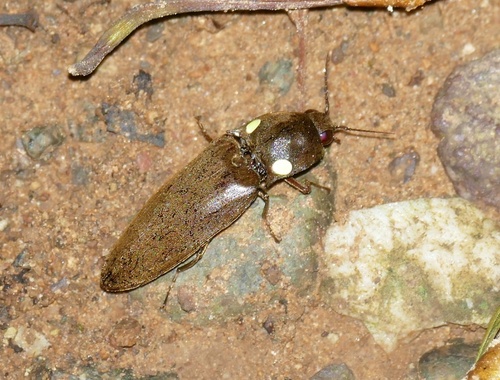
Pyrophorus pellucens
speciesPyrophorus pellucens
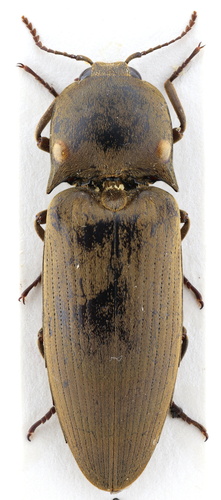
Pyrophorus mellifluus
speciesPyrophorus mellifluus
Pyrophorus tuberculifer
speciesPyrophorus tuberculifer
Pyrophorus angustus
speciesPyrophorus angustus
Pyrophorus melitus
speciesPyrophorus melitus
Where it lives
Recorded sightings
—
geo-referenced records in GBIF, from museums, herbaria and field observers.
Drag the globe to turn it. Dots are where records exist, not a range map; darker means more records.
In the stacks
Searching the stacks…
Every page naming Pyrophorus in the Biodiversity Heritage Library →
This page is assembled live from iNaturalist, GBIF, Wikipedia, the Source Library and the Internet Archive. It is not yet part of the hand-edited codex. iNaturalist taxon 253230.