 NL·0010
Herbarium of the Nature Library
- Name
- Centella asiatica
- Family
- Apiaceae
- Native to
- Tropical and subtropical Asia, Africa (including Madagascar), Australia and the western Pacific
- Habitat
- Wet grassland, Paddy margins, Stream banks, Disturbed ground
Gotu kola (Indian pennywort)
Centella asiatica
Also calledGotu kola (Sinhala) · Mandukaparni (Sanskrit, 'frog-leaved') · Vallarai (Tamil) · Jīxuěcǎo 积雪草 (Chinese) · Pegaga (Malay) · Bai bua bok ใบบัวบก (Thai) · Rau má (Vietnamese)
A creeping herb of damp tropical ground with kidney-shaped leaves, eaten as salad and juice from Sri Lanka to Vietnam. Its triterpenes are used in wound-healing and scar creams.
Centella asiatica, commonly known as Indian pennywort, Asiatic pennywort, spadeleaf, coinwort or gotu kola, is a herbaceous, perennial plant in the flowering plant family Apiaceae. It is native to tropical regions of Africa, Asia, Australia, and islands in the western Pacific Ocean. It is consumed as a culinary vegetable and is used in traditional medicine. Wikipedia
What it can do
- iAsiaticoside and madecassoside stimulate collagen synthesis in wound and scar models
- iiSpreads quickly by runners, rooting at each node to form a ground carpet
- iiiThrives in waterlogged and semi-shaded ground
At the table
Eatenleaves · stems
Eaten raw in Sri Lankan gotu kola sambol, as Thai bai bua bok juice and as Vietnamese rau má drink. Wash well and avoid plants from polluted water.
In the medicine cabinet
| Tradition | Use |
|---|---|
| Ayurveda | Mandukaparni as a medhya rasayana for memory and as a remedy for skin disease and wounds |
| Traditional Chinese Medicine | Jixuecao clears heat and damp, for jaundice, heatstroke, bruising and swellings |
| Malagasy / African traditional medicine | Used in Madagascar and elsewhere for leprosy sores, wounds and skin complaints |
| Modern phytotherapy | Titrated extract for chronic venous insufficiency; topical creams (e.g. Madécassol) for wounds and scars |
Weight of evidence
Moderate. Some clinical trials with promising but limited or mixed results.
Active compounds
asiaticoside, madecassoside, asiatic acid, madecassic acid, centelloside
Fruit & seed
Fruit
Schizocarp
Ripens: Most of the year
Small, flattened, ribbed fruit splitting into two mericarps.

Seed
~2–4 mm
Small flattened mericarps
- Dispersal
- Water and soil; mostly spreads by runners
- Germination
- Slow and erratic; runners are easier
Photographs from Wikimedia Commons under open licences; hover for the photographer, click for the file.
How to grow it
Hardiness (USDA zones)
USDA 9–12 (or indoors). Survives winters down to about -7 °C.
- Light
- Part shade
- Water
- High
- Soil
- Moist, rich; tolerates boggy soil
- Propagation
- Rooted runners
- To harvest
- Leaves 2–3 months after planting
- Climates
- Tropical, Subtropical
- 1Plant rooted runner sections in moist, rich soil
- 2Keep constantly damp and lightly shaded
- 3Harvest outer leaves with stalks regularly
- 4Grow in a container or contained bed to stop it spreading
Can it grow where you are?
Where it lives
Recorded sightings
—
geo-referenced records in GBIF, from museums, herbaria and field observers.
Native range
Tropical and subtropical Asia, Africa (including Madagascar), Australia and the western Pacific
Drag the globe to turn it. Dots are where records exist, not a range map; darker means more records.
In the old herbals & bestiaries
Woodcuts and engravings matched from the Source Library’s scanned books by name. Plates marked “relative” show a close kin rather than this exact species. Click a plate to read the page it came from, with translation.


In the stacks
Searching the stacks…
Every page naming Centella asiatica in the Biodiversity Heritage Library →
Marginalia
Jixuecao is listed in the Shennong Bencao Jing, and mandukaparni in the Charaka Samhita. The French pharmaceutical name Madécassol comes from 'Madécasse', the old French word for Madagascar, an early supply source.
Curiosity
Despite looking like a tiny lily pad, gotu kola belongs to the carrot family, Apiaceae.
Kinship
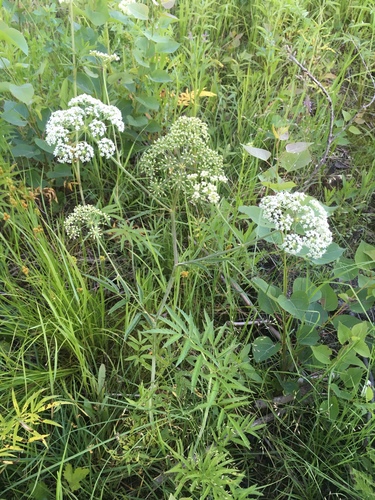
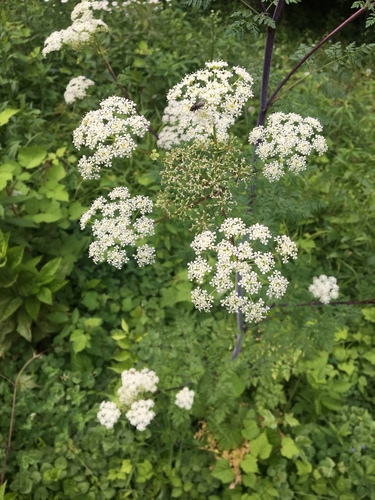
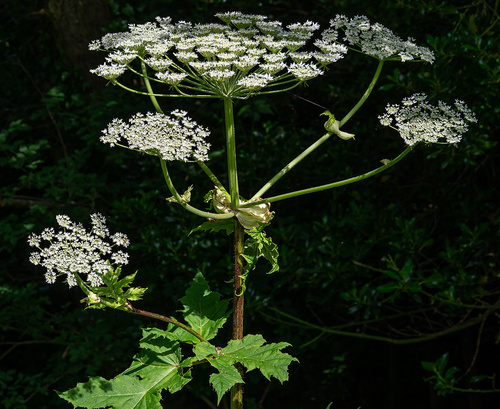

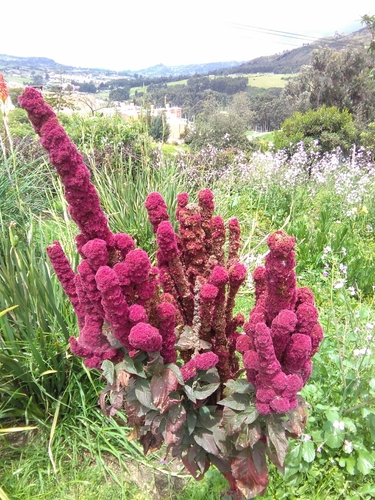
Photographs: iNaturalist contributors under the licences shown. Records: GBIF.org. Historical plates: Source Library (CC BY-SA 4.0; originals public domain). Summary text: Nature Library editors and Wikipedia (CC BY-SA). Medicinal and edibility notes are historical and educational, not advice. iNaturalist taxon 160294.