
flowering plants
Angiospermae
Flowering plants are plants that bear flowers and fruits, and form the clade Angiospermae () or Magnoliophyta. The term angiosperm is derived from the Greek words ἀγγεῖον (angeion: 'container, vessel') and σπέρμα (sperma; 'seed'), meaning that the seeds are enclosed within a fruit.
Angiosperms are by far the most diverse group of land plants with 64 orders, 416 families, approximately 13,000 known genera and 300,000 known species. They include all forbs (flowering plants without a woody stem), grasses and grass-like plants, a vast majority of broad-leaved trees, shrubs and vines, and most aquatic plants. Angiosperms are distinguished from the other major seed plant clade, the gymnosperms, by having flowers, xylem consisting of vessel elements instead of tracheids, endosperm within their seeds, and fruits that completely envelop the seeds. The ancestors of flowering plants diverged from the common ancestor of all living gymnosperms before the end of the Carboniferous, over 300 million years ago. In the Cretaceous, angiosperms diversified explosively, becoming the dominant group of plants across the planet.
2 branches of this subphylum, most-observed first
See this branch on the Wheel of Life →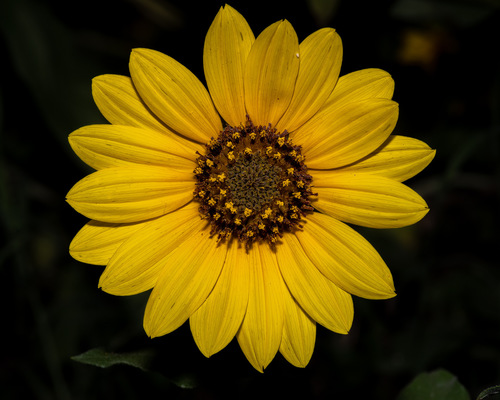

Where it lives
Recorded sightings
—
geo-referenced records in GBIF, from museums, herbaria and field observers.
Drag the globe to turn it. Dots are where records exist, not a range map; darker means more records.
In the stacks
Searching the stacks…
Every page naming Angiospermae in the Biodiversity Heritage Library →
This page is assembled live from iNaturalist, GBIF, Wikipedia, the Source Library and the Internet Archive. It is not yet part of the hand-edited codex. iNaturalist taxon 47125.