- Plants
- ›Vascular Plants
- ›flowering plants
- ›Dicots
- ›Sunflowers, Bellflowers, Fanflowers, and Allies
- ›Sunflowers, Daisies, Asters, and Allies
- ›chicories, dandelions, and allies
- ›Lettuce, Chicory, Dandelion and Salsify Tribe
- ›dandelions, hawksbeards, and rattlesnake roots
- ›Taraxacum
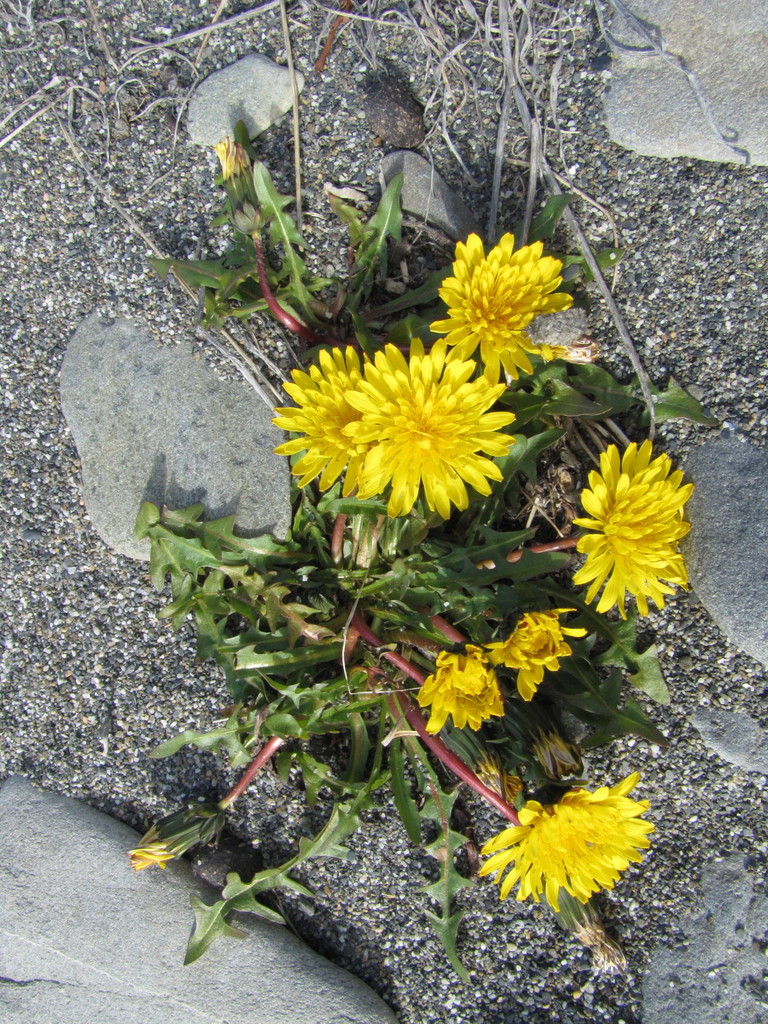
Wendelboa
Taraxacum () is a genus of flowering plants in the family Asteraceae which consists of species commonly known as dandelions. The scientific and hobby study of the genus is known as taraxacology. The genus has a near-cosmopolitan distribution, absent only from tropical and polar areas. Two of the most common species worldwide, T. officinale (the common dandelion) and T. erythrospermum (the red-seeded dandelion), are European species introduced into North America, where they are non native. Dandelions thrive in temperate regions and can be found in yards, gardens, sides of roads, among crops, and in many other habitats.
Like other members of the family Asteraceae, they have very small flowers collected together into a composite flower head. Each single flower in a head is called a floret. In part due to their abundance, along with being a generalist species, dandelions are one of the most vital early spring nectar sources for a wide host of pollinators. Many Taraxacum species produce seeds asexually by apomixis, where the seeds are produced without pollination, resulting in offspring that are genetically identical to the parent plant.
25 branches of this group, most-observed first
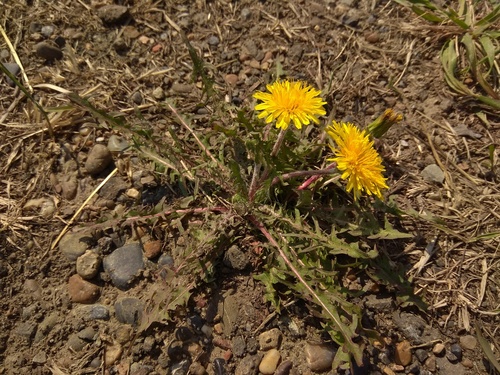
Taraxacum krasnikovii
speciesTaraxacum krasnikovii
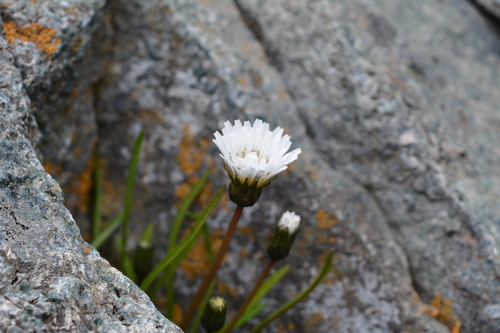
Taraxacum leucoglossum
speciesTaraxacum leucoglossum

Alpine Dandelion
speciesTaraxacum lyratum

Ussuri dandelion
speciesTaraxacum ussuriense
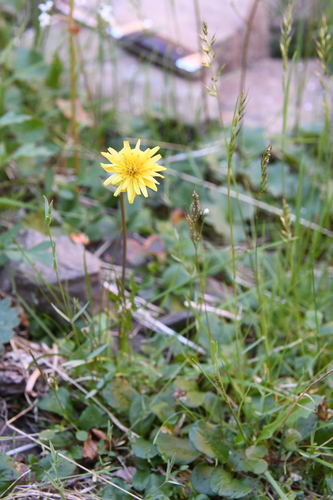
Taraxacum sibiricum
speciesTaraxacum sibiricum
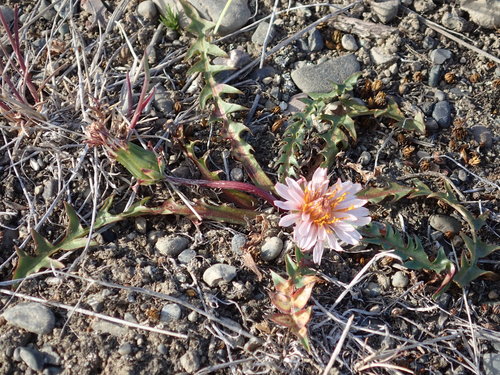
Taraxacum soczavae
speciesTaraxacum soczavae
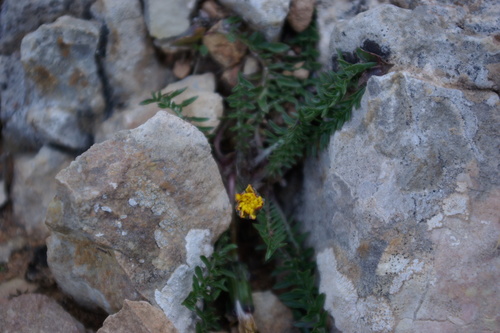
Taraxacum tenuisectum
speciesTaraxacum tenuisectum
Taraxacum bithynicum
speciesTaraxacum bithynicum
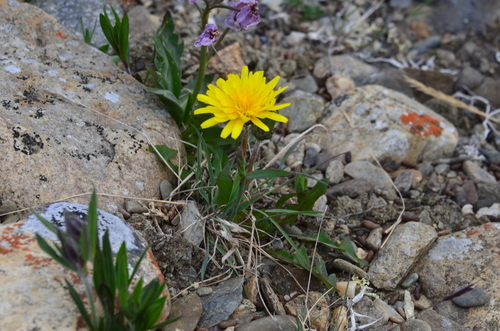
Taraxacum tamarae
speciesTaraxacum tamarae
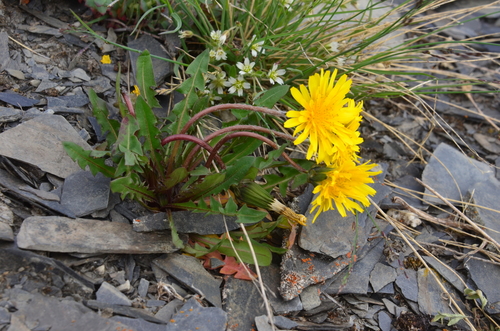
Taraxacum korjakorum
speciesTaraxacum korjakorum
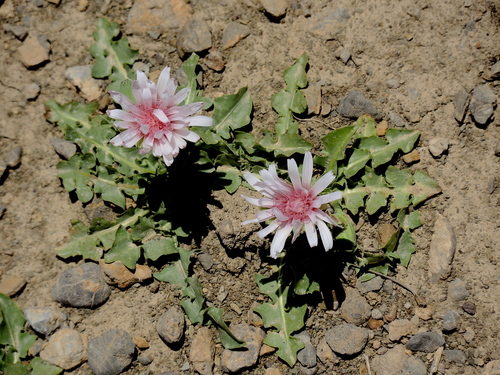
Taraxacum roseum
speciesTaraxacum roseum
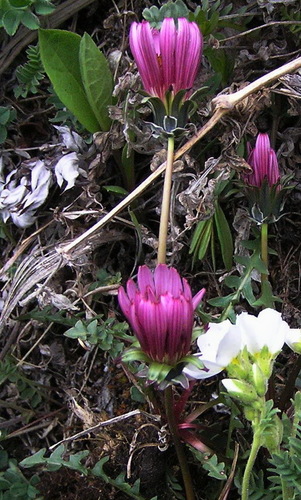
Taraxacum neokamtschaticum
speciesTaraxacum neokamtschaticum
Taraxacum javanicum
speciesTaraxacum javanicum

Taraxacum pseudoplatylepium
speciesTaraxacum pseudoplatylepium
Taraxacum brevirostre
speciesTaraxacum brevirostre
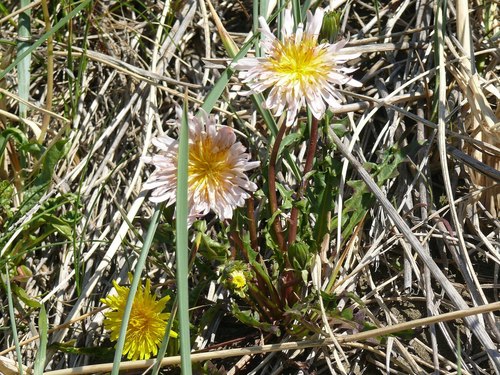
Taraxacum stepanovae
speciesTaraxacum stepanovae
Taraxacum torvum
speciesTaraxacum torvum
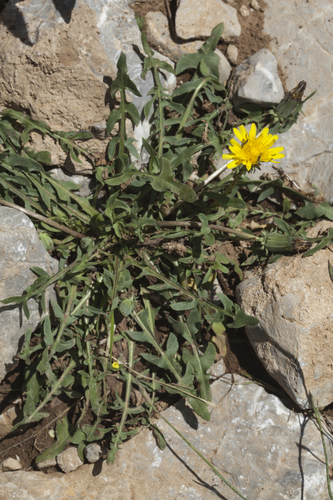
Taraxacum repandum
speciesTaraxacum repandum
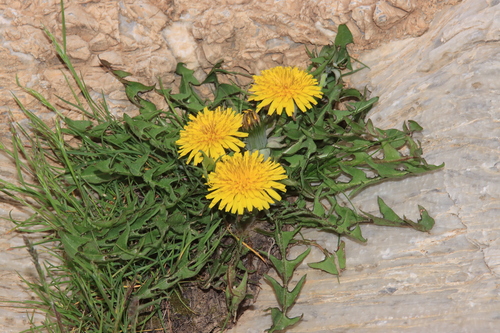
Taraxacum neospurium
speciesTaraxacum neospurium

Taraxacum uschakovii
speciesTaraxacum uschakovii
Taraxacum vestitum
speciesTaraxacum vestitum
Taraxacum pseudolandmarkii
speciesTaraxacum pseudolandmarkii
Taraxacum iranicum
speciesTaraxacum iranicum
Taraxacum subulisquameum
speciesTaraxacum subulisquameum
Taraxacum microcranum
speciesTaraxacum microcranum
Where it lives
Recorded sightings
—
geo-referenced records in GBIF, from museums, herbaria and field observers.
Drag the globe to turn it. Dots are where records exist, not a range map; darker means more records.
In the stacks
Searching the stacks…
Every page naming Wendelboa in the Biodiversity Heritage Library →
This page is assembled live from iNaturalist, GBIF, Wikipedia, the Source Library and the Internet Archive. It is not yet part of the hand-edited codex. iNaturalist taxon 967728.