- Plants
- ›Vascular Plants
- ›flowering plants
- ›Dicots
- ›Sunflowers, Bellflowers, Fanflowers, and Allies
- ›Sunflowers, Daisies, Asters, and Allies
- ›chicories, dandelions, and allies
- ›Lettuce, Chicory, Dandelion and Salsify Tribe
- ›dandelions, hawksbeards, and rattlesnake roots
- ›Taraxacum
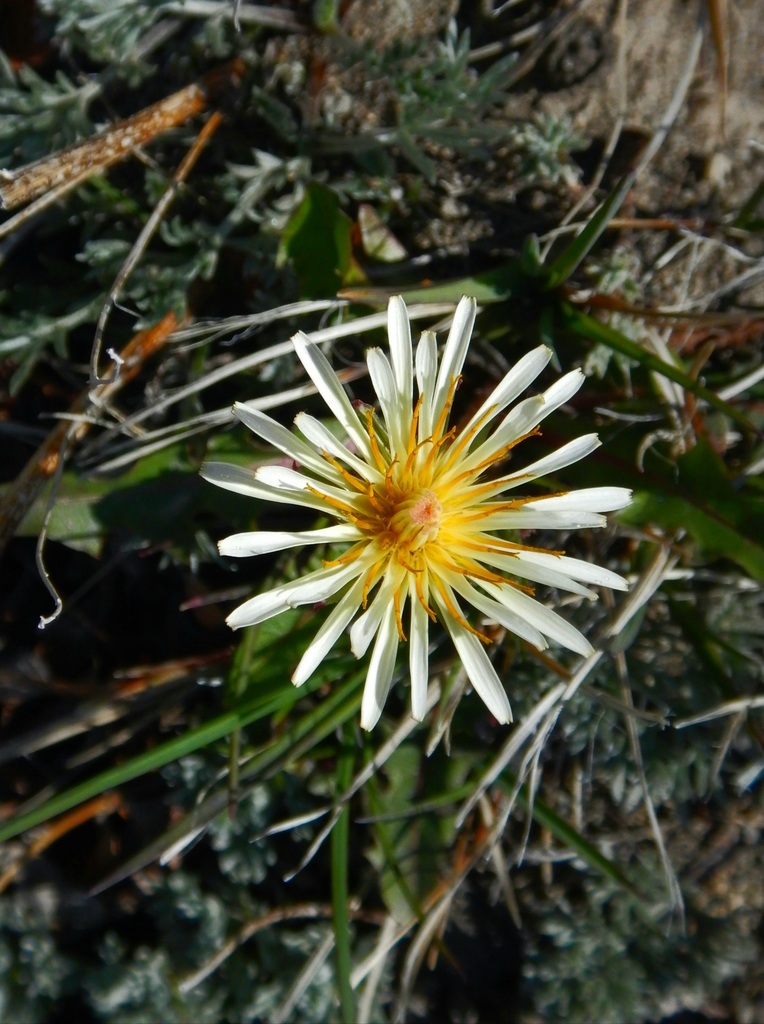
Borealia
The name of Canada has been in use since the founding of the French colony of Canada in the 16th century. The name originates from a Saint-Lawrence Iroquoian word kanata (or canada) for "settlement", "village", or "land". It is pronounced /ˈkænədə/ (listen) in English and (listen) in standard Quebec French. In Inuktitut, one of the official languages of the territory of Nunavut, the Iroquoian word (pronounced ) is used, with
29 branches of this group, most-observed first

horned dandelion
speciesTaraxacum ceratophorum
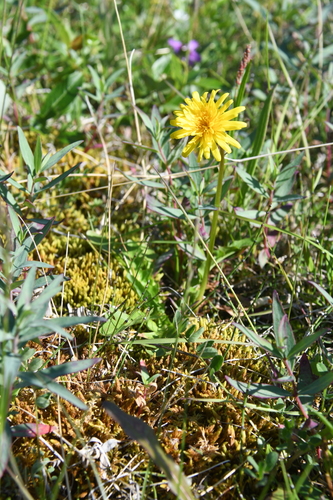
Lean dandelion
speciesTaraxacum macilentum
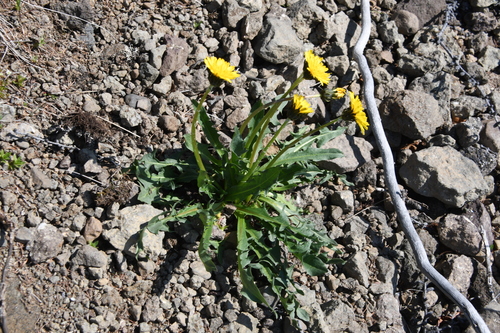
Taraxacum macroceras
speciesTaraxacum macroceras

Taraxacum longicorne
speciesTaraxacum longicorne
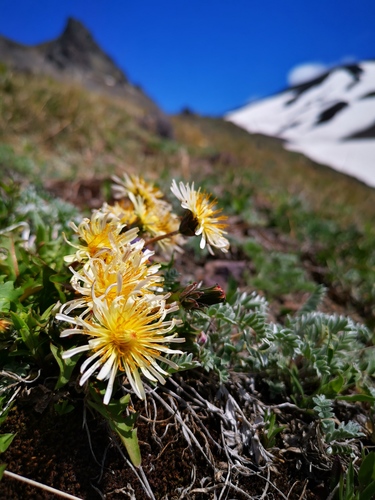
Taraxacum albescens
speciesTaraxacum albescens

California dandelion
speciesTaraxacum californicum
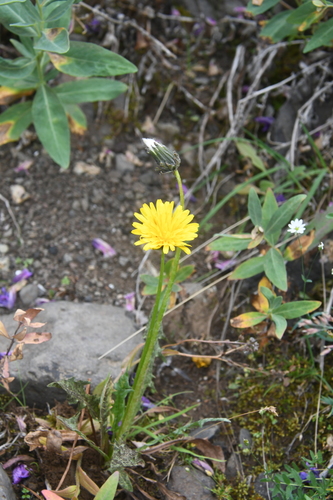
Taraxacum acricorne
speciesTaraxacum acricorne
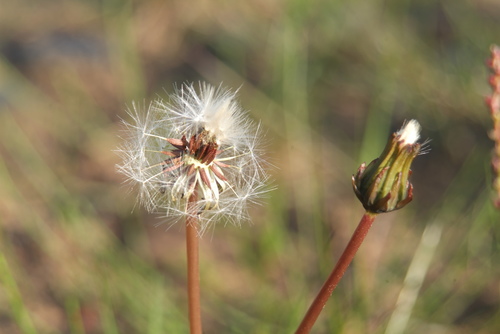
Taraxacum lateritium
speciesTaraxacum lateritium

Double-horn dandelion
speciesTaraxacum bicorne
St. Lawrence Dandelion
speciesTaraxacum laurentianum
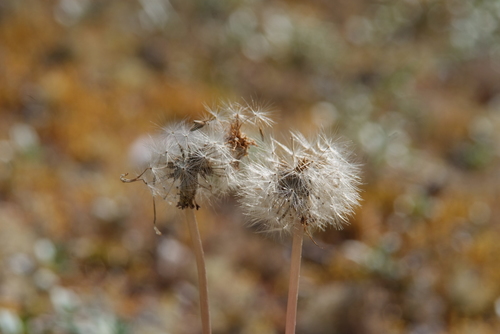
Taraxacum taimyrense
speciesTaraxacum taimyrense
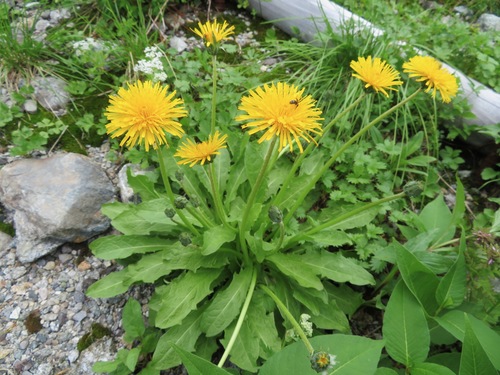
Taraxacum alpicola
speciesTaraxacum alpicola
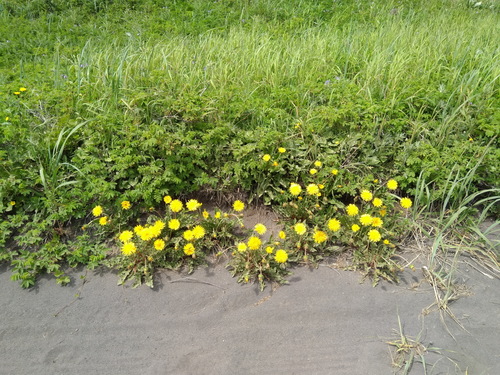
Taraxacum perlatescens
speciesTaraxacum perlatescens
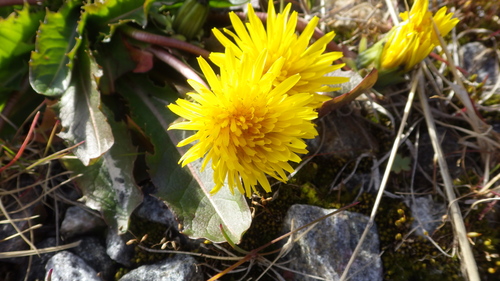
Taraxacum brachyceras
speciesTaraxacum brachyceras
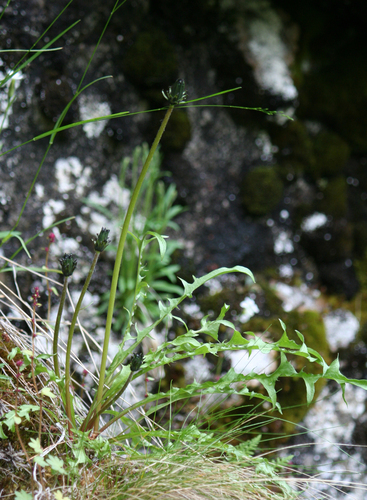
Taraxacum norvegicum
speciesTaraxacum norvegicum

Wool-bearing Dandelion
speciesTaraxacum eriophorum
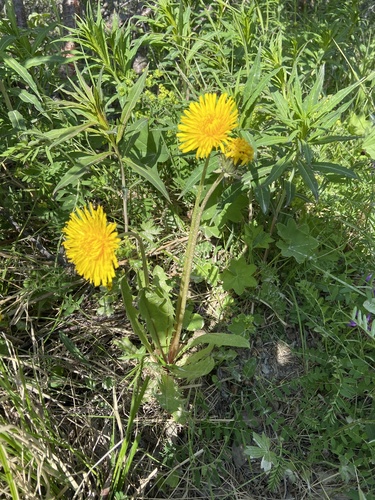
Taraxacum hjeltii
speciesTaraxacum hjeltii
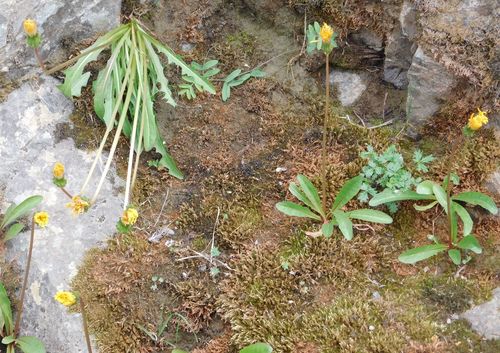
Taraxacum andersonii
speciesTaraxacum andersonii
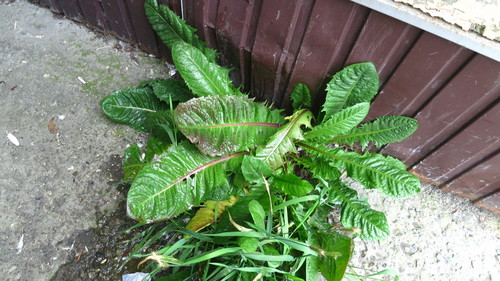
Taraxacum platycranum
speciesTaraxacum platycranum
Taraxacum pingue
speciesTaraxacum pingue
Taraxacum flavovirens
speciesTaraxacum flavovirens
Taraxacum collariatum
speciesTaraxacum collariatum
Taraxacum vulcanorum
speciesTaraxacum vulcanorum
Taraxacum roborovskyi
speciesTaraxacum roborovskyi
Taraxacum qirae
speciesTaraxacum qirae
Taraxacum aleurodes
speciesTaraxacum aleurodes
Taraxacum cornutum
speciesTaraxacum cornutum
Taraxacum stanjukoviczii
speciesTaraxacum stanjukoviczii
Taraxacum tornense
speciesTaraxacum tornense
Where it lives
Recorded sightings
—
geo-referenced records in GBIF, from museums, herbaria and field observers.
Drag the globe to turn it. Dots are where records exist, not a range map; darker means more records.
In the stacks
Searching the stacks…
Every page naming Borealia in the Biodiversity Heritage Library →
This page is assembled live from iNaturalist, GBIF, Wikipedia, the Source Library and the Internet Archive. It is not yet part of the hand-edited codex. iNaturalist taxon 967534.