- Animals
- ›Arthropods
- ›Hexapods
- ›Insects
- ›Winged and Once-winged Insects
- ›Butterflies and Moths
- ›Owlet Moths and Allies
- ›Underwing, Tiger, Tussock, and Allied Moths
- ›Fruit-piercing Moths
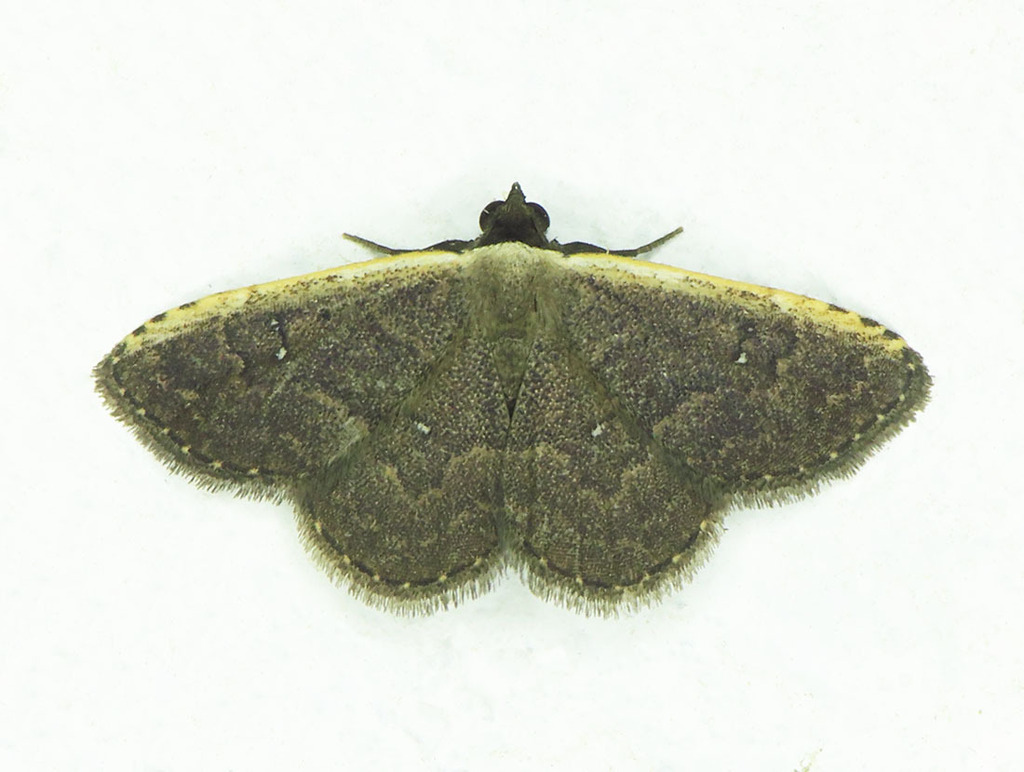
Plynteria
Plynteria (Gr. πλυντήρια) was a festival of ancient Greece celebrated at Athens every year, on the 22nd of Thargelion, in honor of Athena Polias, with the heroine Aglauros (or with the two combined as Athena Aglauros), whose temple stood on the Acropolis. The festival's name came from plynein (πλύνειν), a Greek verb meaning "to wash".
Plutarch states that the festival took place on the 25th, but probably only because it lasted for several days. The day of this festival was at Athens among the apophrades (ἀποφράδες) or dies nefasti, that is, impure days on which temples were closed and business was not done. During the festival the temple of Athena was surrounded by a rope to preclude all communication with it. Her statue was stripped of its garments and ornaments so that they might be ritually cleaned, and was in the meanwhile covered over to conceal it from the sight of man. The genos of women who performed this service were called praxiergidai (πραξιεργίδαι). The city was therefore, so to speak, on this day without its protecting divinity, and any undertaking commenced on it was believed to be necessarily unsuccessful. A procession was also held on the day of the Plynteria, in which a quantity of dried figs, called hegetoria (ἡγητορία), was carried around.
15 branches of this genus, most-observed first

Plynteria irrespondens
speciesPlynteria irrespondens
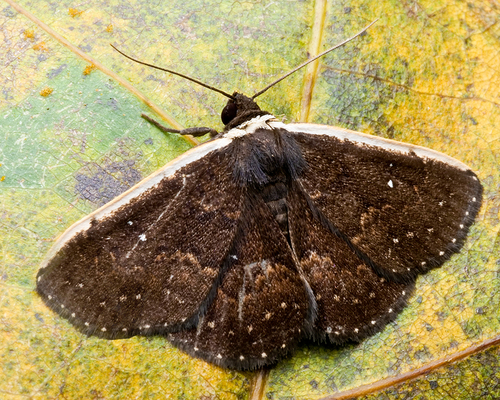
Plynteria marginata
speciesPlynteria marginata
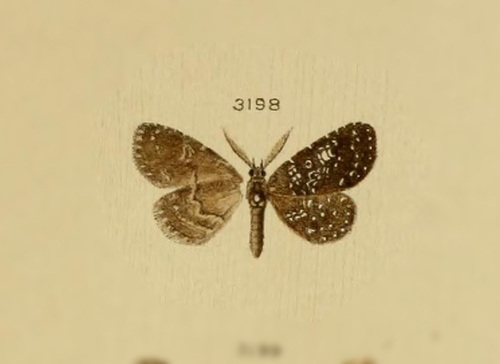
Plynteria stellata
speciesPlynteria stellata
Plynteria costata
speciesPlynteria costata
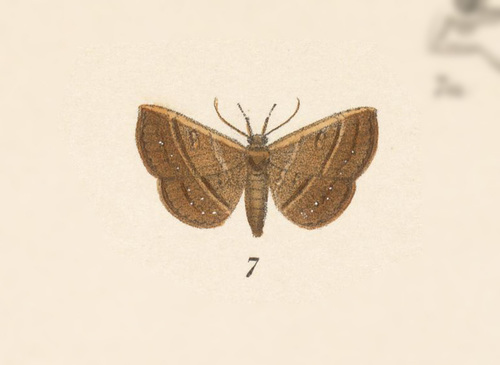
Plynteria lineata
speciesPlynteria lineata
Plynteria florens
speciesPlynteria florens
Plynteria maises
speciesPlynteria maises
Plynteria melanopasa
speciesPlynteria melanopasa
Plynteria unifacta
speciesPlynteria unifacta
Plynteria centriponens
speciesPlynteria centriponens
Plynteria conformens
speciesPlynteria conformens
Plynteria contenta
speciesPlynteria contenta
Plynteria coryphata
speciesPlynteria coryphata
Plynteria dilmis
speciesPlynteria dilmis
Plynteria extirpens
speciesPlynteria extirpens
Where it lives
Recorded sightings
—
geo-referenced records in GBIF, from museums, herbaria and field observers.
Drag the globe to turn it. Dots are where records exist, not a range map; darker means more records.
In the stacks
Searching the stacks…
Every page naming Plynteria in the Biodiversity Heritage Library →
This page is assembled live from iNaturalist, GBIF, Wikipedia, the Source Library and the Internet Archive. It is not yet part of the hand-edited codex. iNaturalist taxon 896804.