 NL·0085
Herbarium of the Nature Library
- Name
- Thymus vulgaris
- Family
- Lamiaceae
- Native to
- Western Mediterranean: Spain, southern France, Italy
- Habitat
- Mediterranean shrubland, Garrigue, Limestone grassland
Common thyme
Thymus vulgaris
Also calledṢaʿtar / Zaʿtar (Arabic, used loosely for thyme-like herbs) · Tomillo (Spanish) · Thymian (German) · Farigoule (Provençal) · Bǎilǐxiāng 百里香 (Chinese)
A tiny-leaved, low woody shrub of sun-baked Mediterranean hills whose oil, thymol, was among the first antiseptics of modern medicine. Wild populations come in distinct 'chemotypes' that smell quite different.
Thymus vulgaris is a species of flowering plant in the mint family, Lamiaceae. Wikipedia
What it can do
- iThymol and carvacrol in its oil kill many bacteria and fungi
- iiForms distinct chemotypes (thymol, carvacrol, linalool, geraniol and others) that sort out by local soil and frost
- iiiSurvives summer drought by shedding some leaves and thriving in shallow, stony soil
- ivSmall flowers are heavily worked by honeybees; thyme honey is a prized Mediterranean speciality
At the table
Eatenleaves · flowers
Leaves and flowers are a classic culinary herb. The essential oil is irritating and toxic in quantity.
In the medicine cabinet
| Tradition | Use |
|---|---|
| European folk medicine | Tea and syrup for coughs, whooping cough and bronchitis; antiseptic washes for wounds |
| Arabic / Unani medicine | Satar (various thyme species) for coughs, digestive complaints and intestinal worms |
| Modern phytotherapy | Thyme extract, often combined with ivy or primrose, approved in Germany for coughs from bronchitis; thymol in mouthwashes |
Weight of evidence
Moderate. Some clinical trials with promising but limited or mixed results.
Active compounds
thymol, carvacrol, p-cymene, γ-terpinene, linalool, rosmarinic acid
Fruit & seed
Fruit
Nutlets
Ripens: Summer
Four minute, dark nutlets in the calyx.

Seed
~0.7–1 mm
Tiny, round, dark brown
- Dispersal
- Gravity and ants
- Germination
- Needs light; 1–3 weeks at 18–20 °C
Photographs from Wikimedia Commons under open licences; hover for the photographer, click for the file.
How to grow it
Hardiness (USDA zones)
USDA 5–9. Survives winters down to about -29 °C.
- Light
- Full sun
- Water
- Low
- Soil
- Poor, stony, alkaline, very well drained
- Propagation
- Seed, cuttings, layering or division
- To harvest
- Sprigs 3–4 months after sowing
- Climates
- Mediterranean, Temperate
- 1Surface-sow under cover in spring, or root tip cuttings
- 2Plant in full sun in gritty soil
- 3Shear after flowering to keep plants compact
- 4Renew every 3–4 years
Can it grow where you are?
Where it lives
Recorded sightings
—
geo-referenced records in GBIF, from museums, herbaria and field observers.
Native range
Western Mediterranean: Spain, southern France, Italy
Drag the globe to turn it. Dots are where records exist, not a range map; darker means more records.
In Gerard's Herball, 1597

Second Booke · Chap. 165 · p. 458 · read the page →
Of garden Time.
John Gerard, The Herball, or Generall Historie of Plantes, London, 1597. What England's best-known herbal said of common thyme, in its own spelling.
- The vertues
- Time boiled in water and honie and drunken, is good against the cough and shortnesse of the breath; it prouoketh vrine, expelleth the secondine or afterbirth, and the dead childe; and dissolueth clotted or congealed bloud in the bodie. The same drunke with vineger and salt, purgeth flegme: and boiled in Meade or Metheglin, clenseth the brest, lungs, reines, and matrix, and killeth wormes. Made into powder and taken in the waight of three drams with Meade or honied vineger, called Oximell, Oximell, and a little salt, purgeth by stoole tough and clammie flegme, sharpe cholericke humours, and all corruption of blood. The same taken in like sort, is good against the Ischiatica, the paine in the side and brest, against the winde in the side and bellie, and is profitable also for such as are fearefull, melancholike, and troubled in minde. It is good to be giuen unto those that haue the falling sicknesse to smell unto.
- The place
- These kindes of Time growe plentifully in England euery where, except that with broad leaues, and Time of Candie, which I haue in my garden.
- The time
- They flourish from Maie vnto September.
- The temperature
- These kindes of Time are hot and drie in the thirde degree.
- The names
- The first may be called harde Time, or common garden Time: the seconde broade leafed Time: the thirde Time of Candie; our English women call it Muske Time: the last may be called Dodder Time.
Gerard wrote within Galenic humoral medicine, and his opinions, including about the peoples of the Americas and their crops, are those of 1590s London. His “vertues” are history, not advice. Transcription: Source Library (CC BY-SA 4.0). The whole chapter in the Herball Room.
In the old herbals & bestiaries
Woodcuts and engravings matched from the Source Library’s scanned books by name. Plates marked “relative” show a close kin rather than this exact species. Click a plate to read the page it came from, with translation.

Hortus Eystettensis
Basilius Besler · 1640 · p.367

On Medical Materials in Six Books
Dioscorides · 1550 · p.394

De medicinali materia libri sex
Dioscorides · 1552 · p.402

Commentaries on the Six Books of Dioscorides
Pietro Andrea Mattioli · 1560 · p.531

Commentaries on the Six Books of Dioscorides
Pietro Andrea Mattioli · 1560 · p.515

Rariorum Plantarum Historia (with Fungorum Historia)
Carolus Clusius · 1601 · p.375

History of Rare Plants
Carolus Clusius · 1601 · p.369
In the stacks
Searching the stacks…
Every page naming Thymus vulgaris in the Biodiversity Heritage Library →
Marginalia
Thymol was first isolated by the German apothecary Caspar Neumann in 1719. When the First World War cut off German supplies, thymol ran short just as it was urgently needed for dressing soldiers' wounds, and new production started in Britain and India.
Curiosity
Thymol is used by beekeepers to treat honeybee colonies against the parasitic varroa mite.
Kinship
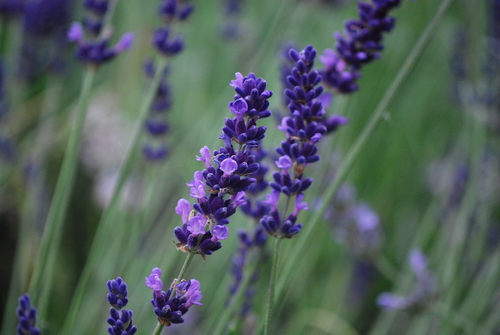

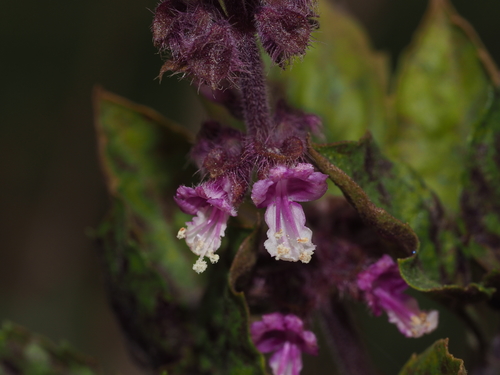
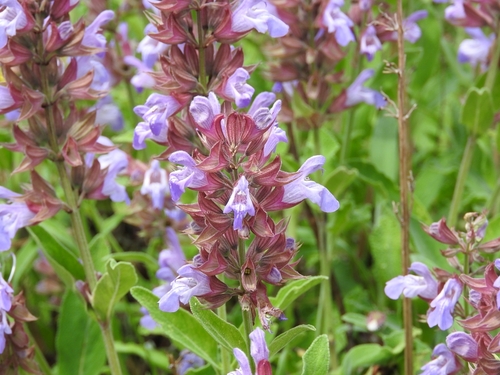
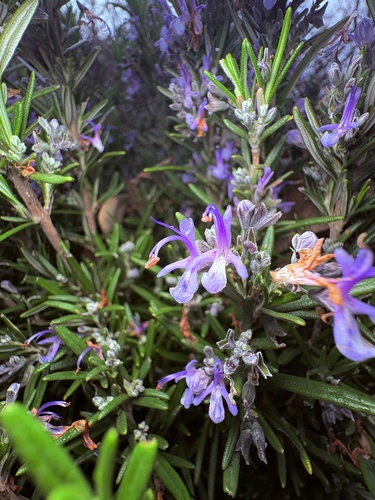

Fact-checked: 1 correction made to this sheet. Photographs: iNaturalist contributors under the licences shown. Records: GBIF.org. Historical plates: Source Library (CC BY-SA 4.0; originals public domain). Summary text: Nature Library editors and Wikipedia (CC BY-SA). Medicinal and edibility notes are historical and educational, not advice. iNaturalist taxon 85469.