- Plants
- ›Vascular Plants
- ›flowering plants
- ›Dicots
- ›myrtles, evening primroses, and allies
- ›evening primrose family
- ›Epilobium
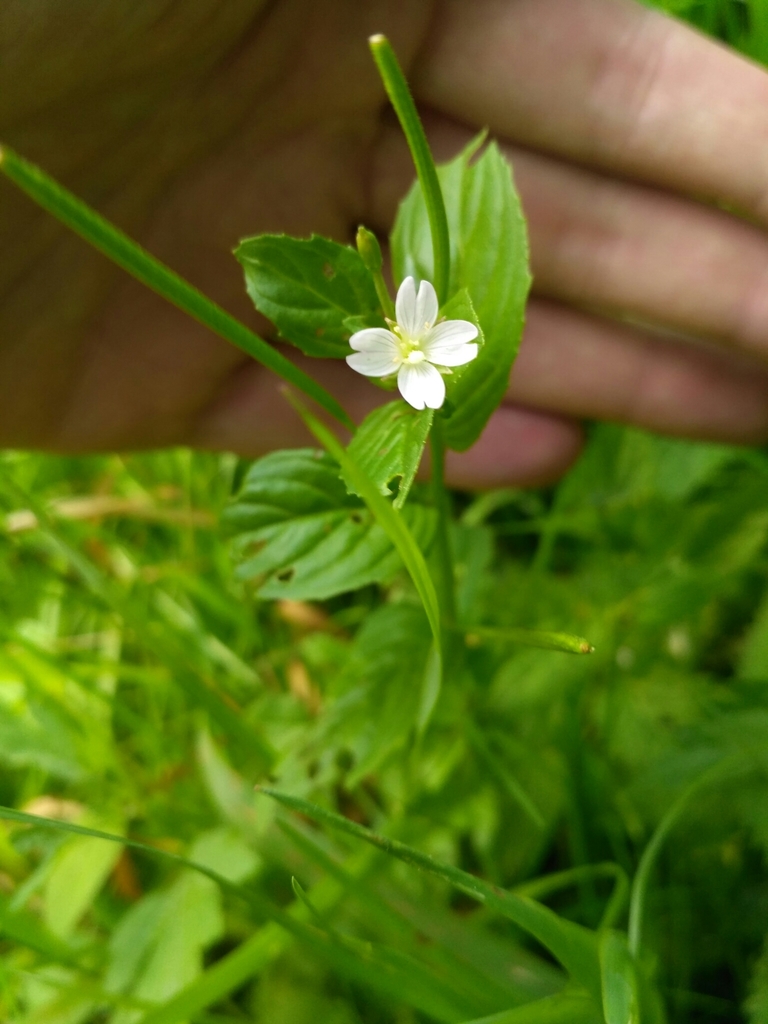
Epilobium pseudorubescens
Epilobium is a genus of flowering plants in the family Onagraceae, containing about 197 species. The genus has a worldwide distribution. It is most prevalent in the subarctic, temperate and subantarctic regions, whereas in the subtropics and tropics Epilobium species are restricted to the cool montane biomes, such as the New Guinea Highlands.
The taxonomy of the genus has varied between different botanists, but the modern trend is to include the previously recognised genera Boisduvalia, Chamaenerion (previously Chamerion), Pyrogennema and Zauschneria within Epilobium according to Peter H. Raven, who has extensively studied the willowherbs and merges the other segregate genera into Epilobium. Fringed willowherb (Epilobium ciliatum) is likely a cryptic species complex; apparently these plants also commonly hybridize with their congeners.
From the article Epilobium on Wikipedia (CC BY-SA), quoted section by section
Description
Epilobium are mostly herbaceous plants, either annual or perennial; a few are subshrubs. The leaves are opposite or rarely whorled, simple and ovate to lanceolate in shape. The flowers are actinomorphic (radially symmetrical) with four petals that may be notched. These are usually smallish and pink in most species, but red, orange or yellow in a few. The fruit is a slender cylindrical capsule containing numerous seeds embedded in fine, soft silky fluff which disperses the seeds very effectively in the wind. A number of Epilobium species with slightly asymmetrical (zygomorphic) magenta flowers and alternate leaves are placed in the genus Chamaenerion, which may be further separated by some authorities into a genus Chamerion. However, Chamerion is not universally accepted.
In human culture
The genus name derives from the Greek words "epi" meaning "upon" and "lobos" meaning "lobe", with reference to position of the petals above the ovary.
Wikipedia: “Etymology”
Where it lives
Recorded sightings
—
geo-referenced records in GBIF, from museums, herbaria and field observers.
Drag the globe to turn it. Dots are where records exist, not a range map; darker means more records.
In the stacks
Searching the stacks…
Every page naming Epilobium pseudorubescens in the Biodiversity Heritage Library →
This page is assembled live from iNaturalist, GBIF, Wikipedia, the Source Library and the Internet Archive. It is not yet part of the hand-edited codex. iNaturalist taxon 852241.