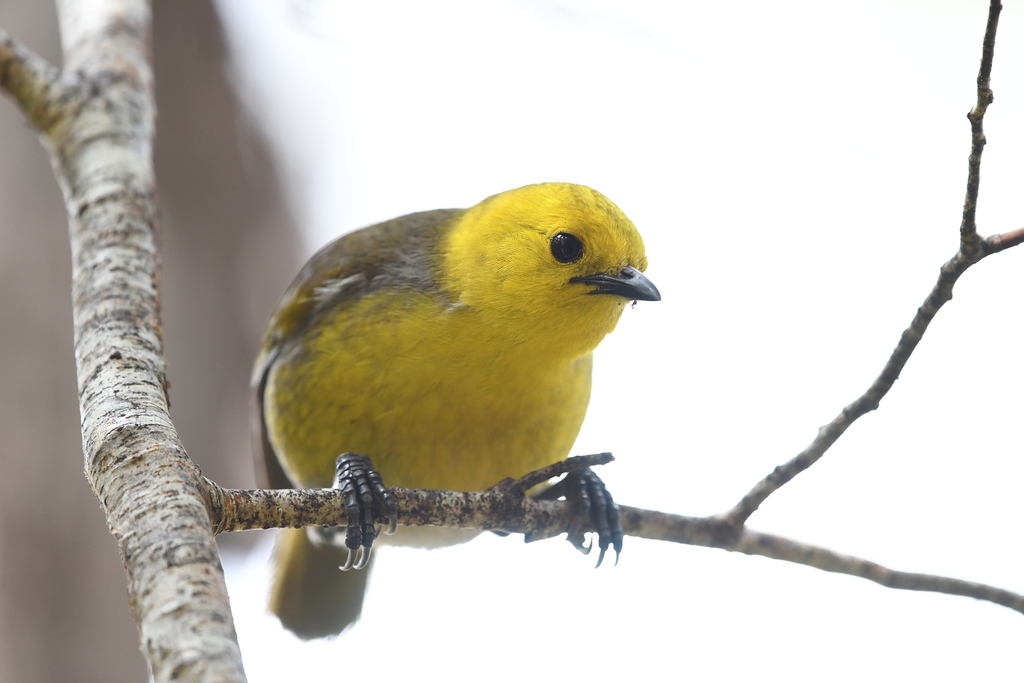
New Zealand Creepers
Mohoua
Mohoua is a genus of three bird species endemic to New Zealand. The scientific name is taken from mohua – the Māori name for the yellowhead. Their taxonomic placement has presented problems: They have typically been placed in the whistler family, Pachycephalidae, but in 2013 it was established that they are best placed in their own family, Mohouidae. A large molecular genetic study published in 2019 found that the family is sister to the family Neosittidae, containing the three sittellas.
All three species display some degree of sexual dimorphism in terms of size, with the males being the larger of the two sexes. Mohoua are gregarious (more so outside the breeding season) and usually forage in groups. They also forage in mixed species flocks at times, frequently forming the nucleus of such flocks. Social organization and behaviour is well documented for all three Mohoua species; cooperative breeding has been observed in all three species and is common in the whitehead and yellowhead. The three species are the sole hosts for the long-tailed cuckoo (Urodynamis taitensis), which acts as a brood parasite upon them, pushing their eggs out of the nest and laying a single one of its own in their place so that they take no part in incubation of their eggs or in raising their young.
3 branches of this genus, most-observed first · about 3 known species
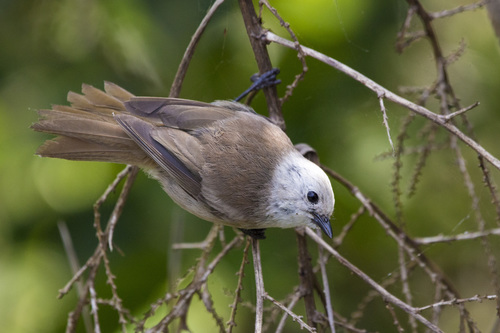
Whitehead
speciesMohoua albicilla
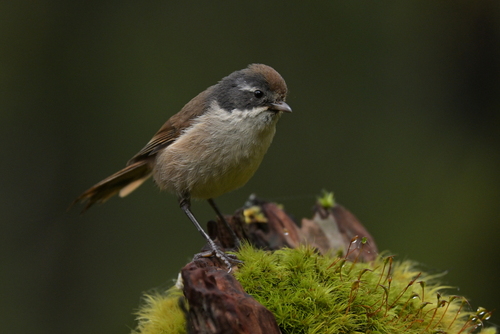
Pipipi
speciesMohoua novaeseelandiae
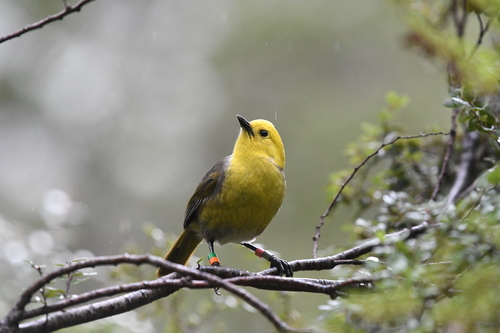
Yellowhead
speciesMohoua ochrocephala
Where it lives
Recorded sightings
—
geo-referenced records in GBIF, from museums, herbaria and field observers.
Drag the globe to turn it. Dots are where records exist, not a range map; darker means more records.
In the stacks
Searching the stacks…
Every page naming Mohoua in the Biodiversity Heritage Library →
This page is assembled live from iNaturalist, GBIF, Wikipedia, the Source Library and the Internet Archive. It is not yet part of the hand-edited codex. iNaturalist taxon 8323.