
Perching Birds
Passeriformes
A passerine () is any bird of the order Passeriformes (; from Latin passer 'sparrow' and formis '-shaped'). Sometimes known as perching birds, passerines generally have an anisodactyl arrangement of their toes (three pointing forward and one back), which facilitates perching.
With more than 140 families and some 6,500 identified species, Passeriformes is the largest order of birds and one of the most diverse clades of terrestrial vertebrates, representing 60% of birds. Passerines are divided into three suborders: New Zealand wrens; Suboscines, primarily found in North and South America; and songbirds. Passerines originated in the Southern Hemisphere around 60 million years ago.
60 branches of this order, most-observed first · about 6,656 known species

Crows, Jays, and Magpies
familyCorvidae
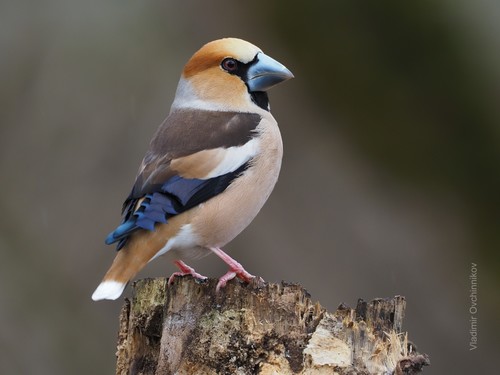
Finches, Euphonias, and Allies
familyFringillidae

New World Sparrows
familyPasserellidae

Thrushes
familyTurdidae
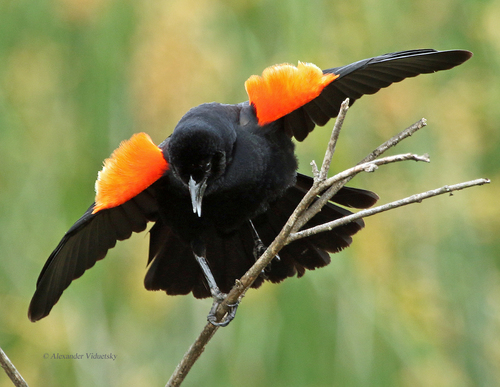
New World Blackbirds and Orioles
familyIcteridae

Tyrant Flycatchers
familyTyrannidae
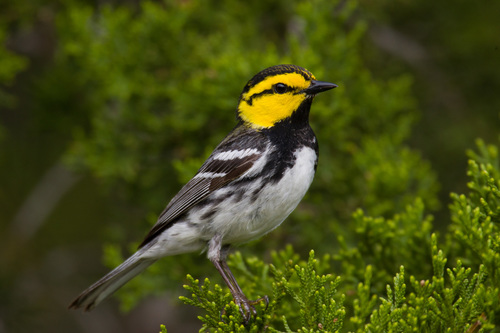
New World Warblers
familyParulidae

Tits, Chickadees, and Titmice
familyParidae

Old World Flycatchers, Robins, and Chats
familyMuscicapidae

Cardinals and Allies
familyCardinalidae
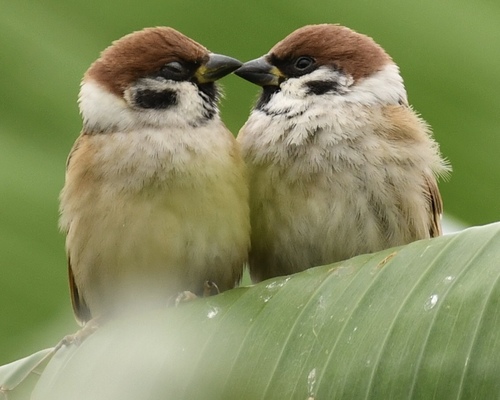
Old World Sparrows
familyPasseridae

Swallows and Martins
familyHirundinidae
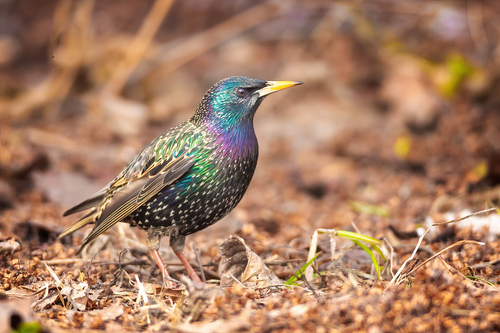
Starlings
familySturnidae

Tanagers and Allies
familyThraupidae
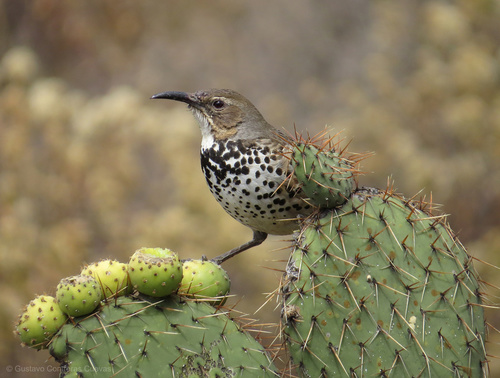
Mockingbirds and Thrashers
familyMimidae

Wagtails and Pipits
familyMotacillidae
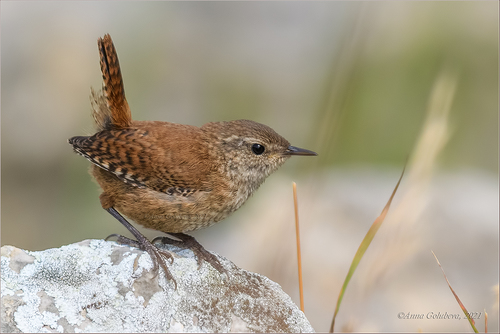
Wrens
familyTroglodytidae
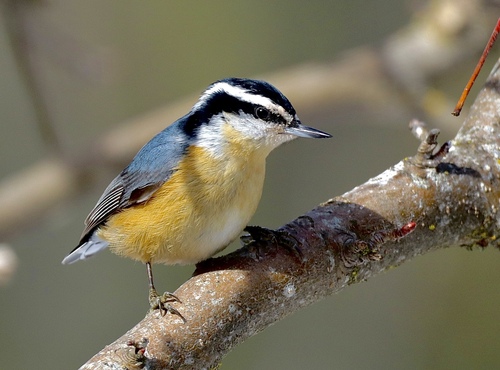
Nuthatches
familySittidae

Honeyeaters
familyMeliphagidae

Bulbuls
familyPycnonotidae

Old World Buntings
familyEmberizidae

Shrikes
familyLaniidae

Leaf Warblers
familyPhylloscopidae
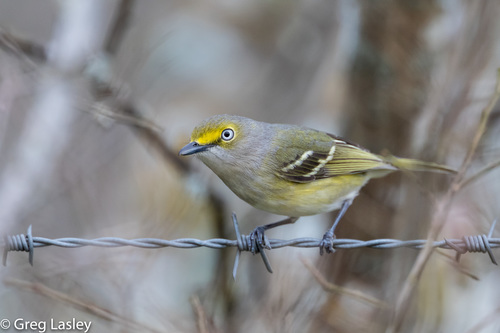
Vireos, Shrike-Babblers, and Erpornis
familyVireonidae

Sylviid Warblers and Allies
familySylviidae
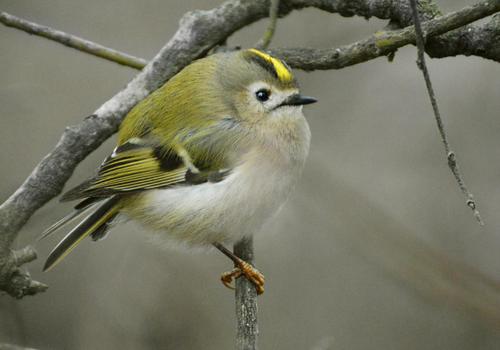
Kinglets
familyRegulidae
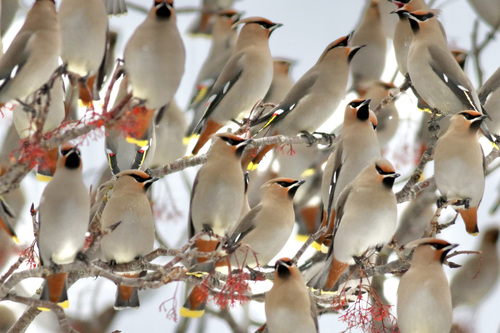
Waxwings
familyBombycillidae

Waxbills and Allies
familyEstrildidae

Larks
familyAlaudidae

Woodswallows, Butcherbirds, and Currawongs
familyArtamidae
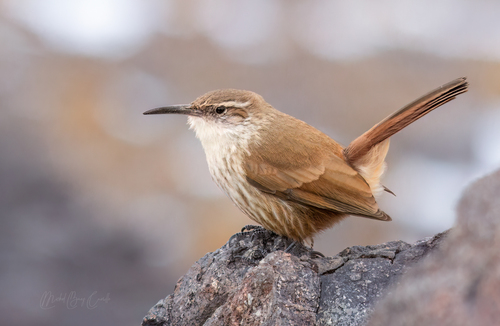
Ovenbirds and Woodcreepers
familyFurnariidae

Long-tailed Tits and Bushtits
familyAegithalidae

Sunbirds and Spiderhunters
familyNectariniidae

Cisticolas and Allies
familyCisticolidae

Reed Warblers and Allies
familyAcrocephalidae
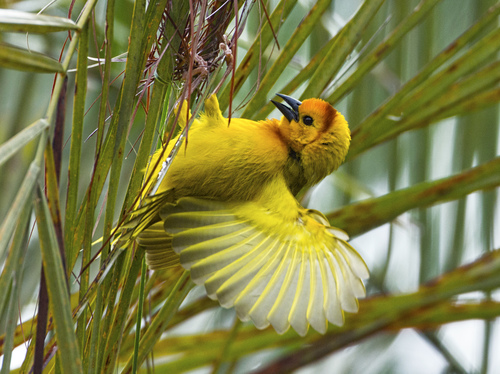
Weavers and Allies
familyPloceidae
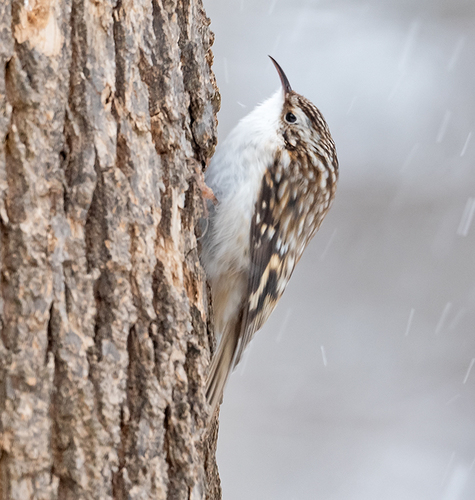
Treecreepers
familyCerthiidae

Fantails
familyRhipiduridae

Gnatcatchers and Gnatwrens
familyPolioptilidae
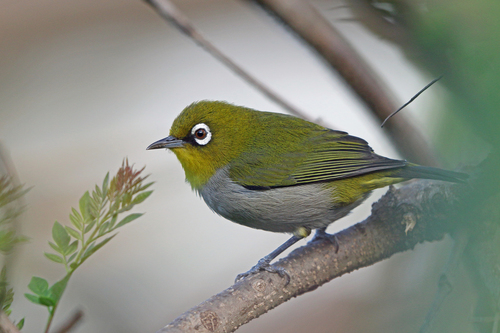
White-eyes, Yuhinas, and Allies
familyZosteropidae

Laughingthrushes and Allies
familyLeiothrichidae

Thornbills and Allies
familyAcanthizidae

Drongos
familyDicruridae

Monarch Flycatchers
familyMonarchidae

Fairywrens and Allies
familyMaluridae

Australasian Robins
familyPetroicidae

Old World Orioles
familyOriolidae

Accentors
familyPrunellidae
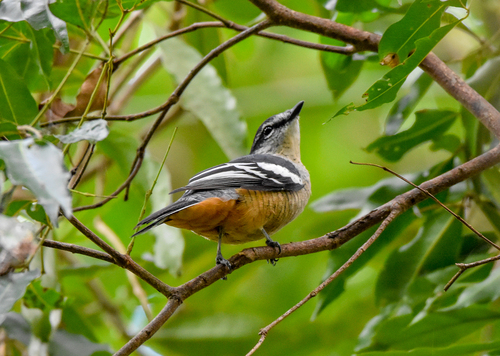
Cuckooshrikes
familyCampephagidae

Typical Antbirds
familyThamnophilidae
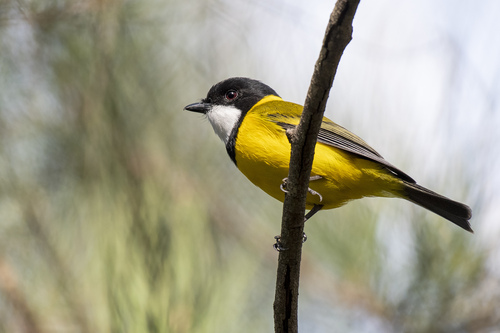
Whistlers and Allies
familyPachycephalidae

Dippers
familyCinclidae

Penduline-Tits
familyRemizidae

Silky-flycatchers
familyPtiliogonatidae
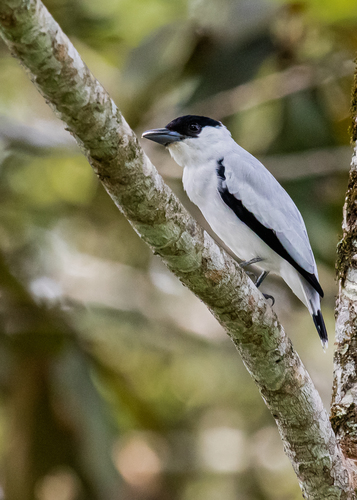
Tityras and Allies
familyTityridae

Longspurs and Snow Buntings
familyCalcariidae

Flowerpeckers
familyDicaeidae
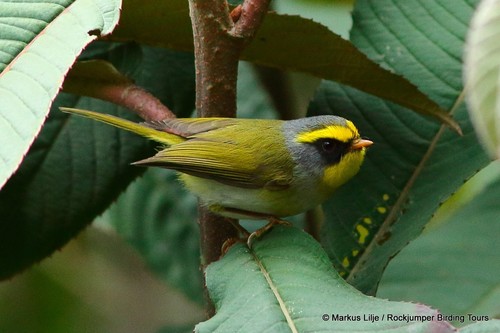
Bush Warblers and Allies
familyCettiidae
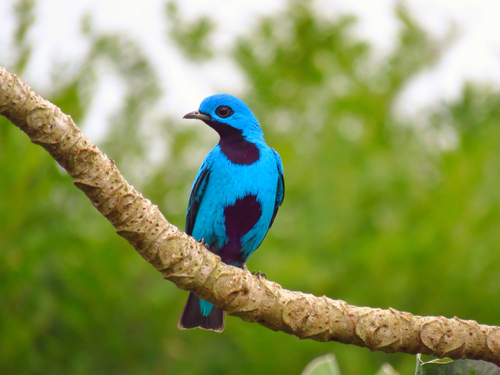
Cotingas
familyCotingidae

Bushshrikes and Allies
familyMalaconotidae
Where it lives
Recorded sightings
—
geo-referenced records in GBIF, from museums, herbaria and field observers.
Drag the globe to turn it. Dots are where records exist, not a range map; darker means more records.
In the stacks
Searching the stacks…
Every page naming Passeriformes in the Biodiversity Heritage Library →
This page is assembled live from iNaturalist, GBIF, Wikipedia, the Source Library and the Internet Archive. It is not yet part of the hand-edited codex. iNaturalist taxon 7251.