
Tits, Chickadees, and Titmice
Paridae
The tits, chickadees, and titmice constitute the Paridae, a family of small passerine birds which occur mainly in the Northern Hemisphere and Africa. Many were formerly classified in the genus Parus.
Eurasian and African members of this family are referred to as "tits", while North American species are called either "chickadees" (onomatopoeic, derived from their distinctive "chick-a dee dee dee" alarm call) or "titmouses", the latter being an older name that was used for all tits. The name titmouse is recorded from the 14th century, composed of the Old English name for the bird, mase (Proto-Germanic *maison, Dutch mees, German Meise), and tit, denoting something small. The former spelling, "titmose", was influenced by mouse in the 16th century. Emigrants to New Zealand presumably identified some of the superficially similar birds of the genus Petroica of the family Petroicidae, the Australian robins, as members of the tit family, giving them the title tomtit, although, in fact, they are not related.
16 branches of this family, most-observed first · about 62 known species

Chickadees and Allies
genusPoecile
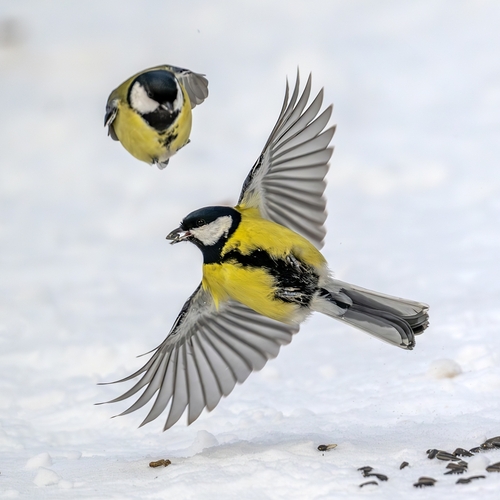
Great Tits and Allies
genusParus

Blue and Azure Tits
genusCyanistes

Titmice
genusBaeolophus

Tufted and Yellow-bellied Tits
genusPeriparus
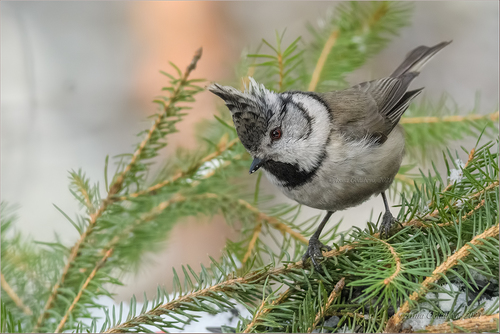
Crested Tits
genusLophophanes

Varied Tits and Allies
genusSittiparus

African Tits
genusMelaniparus
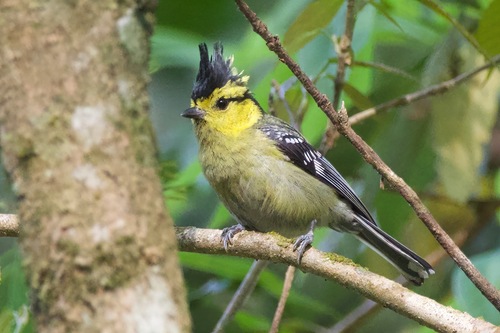
Yellow Tits and Allies
genusMachlolophus
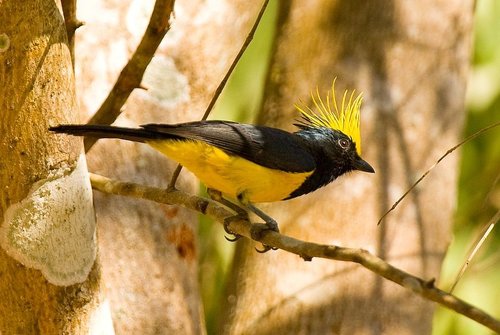
Melanochlora
genusMelanochlora
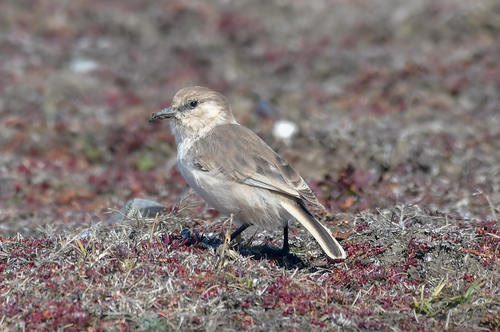
Pseudopodoces
genusPseudopodoces
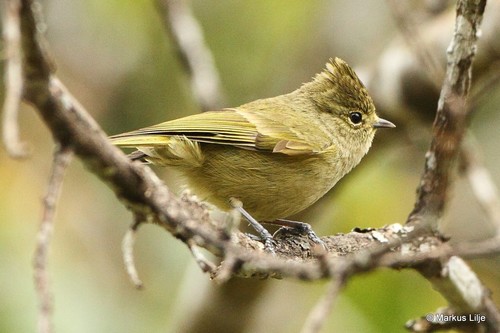
Sylviparus
genusSylviparus

Cephalopyrus
genusCephalopyrus
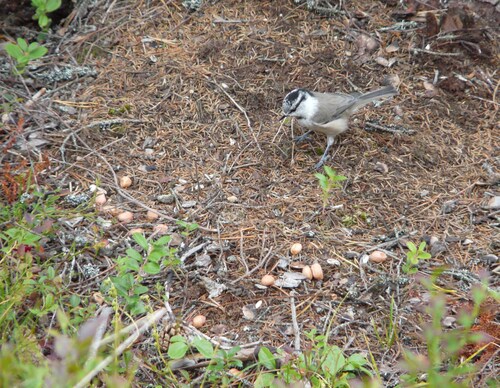
Lophophanes × Poecile
genushybridLophophanes × Poecile
Baeolophus × Poecile
genushybridBaeolophus × Poecile
Cyanistes × Parus
genushybridCyanistes × Parus
Where it lives
Recorded sightings
—
geo-referenced records in GBIF, from museums, herbaria and field observers.
Drag the globe to turn it. Dots are where records exist, not a range map; darker means more records.
In the stacks
Searching the stacks…
Every page naming Paridae in the Biodiversity Heritage Library →
This page is assembled live from iNaturalist, GBIF, Wikipedia, the Source Library and the Internet Archive. It is not yet part of the hand-edited codex. iNaturalist taxon 13547.