- Animals
- ›Arthropods
- ›Hexapods
- ›Insects
- ›Winged and Once-winged Insects
- ›True Bugs, Hoppers, Aphids, and allies
- ›Plant-parasitic Hemipterans
- ›Psylloids
- ›jumping plant lice
Ciriacreminae
Psyllidae, the jumping plant lice or psyllids, are a family of small plant-feeding insects that tend to be very host-specific, each plant-louse species feeding on just one plant species (monophagous) or a few closely related plants (oligophagous). They are found mainly on perennial plant hosts. Together with aphids, phylloxerans, scale insects and whiteflies, they form the group called Sternorrhyncha, which is considered to be the most "primitive" group within the true bugs (Hemiptera). They have traditionally been considered a single family, Psyllidae, but recent classifications divide make them one of seven families within the superfamily Psylloidea. If we consider the broader definition there are an estimated 4000 species placed in around 70 genera. Some species are considered as pests in citrus and other horticultural crops. The narrowly defined family Psyllidae does not have unambiguous support of monophyly.
19 branches of this subfamily, most-observed first

Heteropsylla
genusHeteropsylla
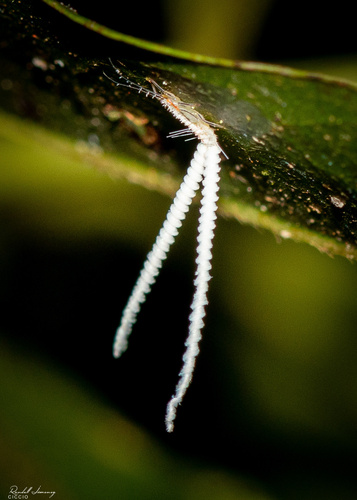
Hollisiana
genusHollisiana
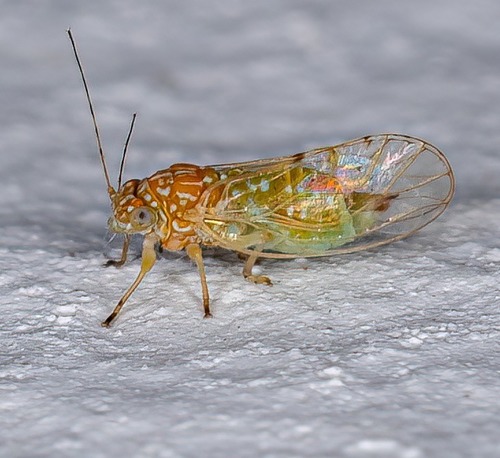
Mitrapsylla
genusMitrapsylla
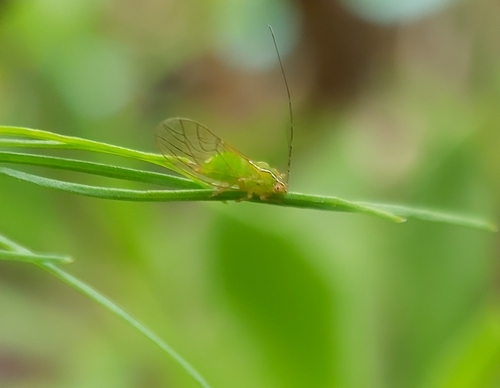
Epipsylla
genusEpipsylla
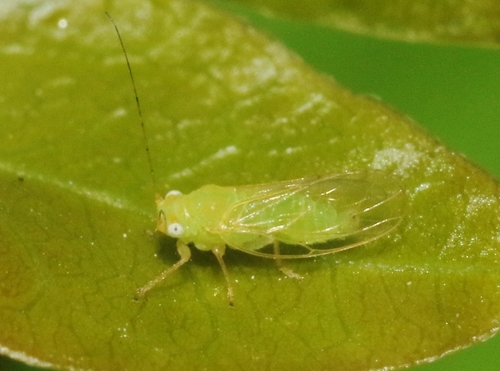
Euceropsylla
genusEuceropsylla
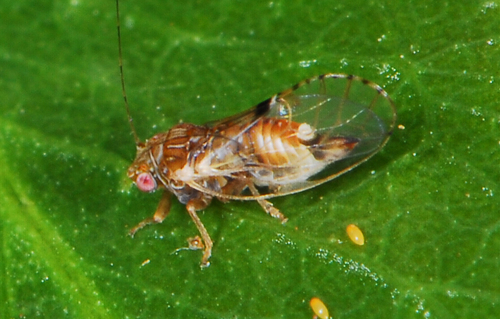
Ciriacremum
genusCiriacremum

Insnesia
genusInsnesia
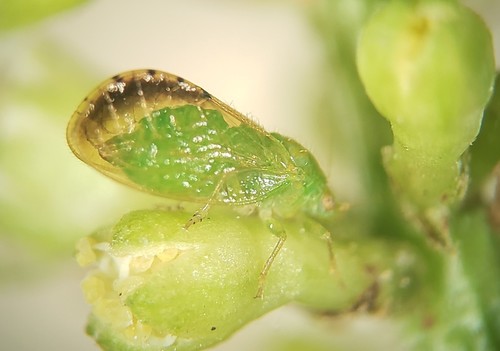
Auchmerina
genusAuchmerina
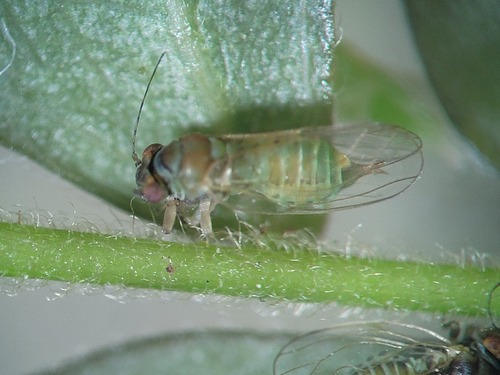
Isogonoceraia
genusIsogonoceraia

Caradocia
genusCaradocia
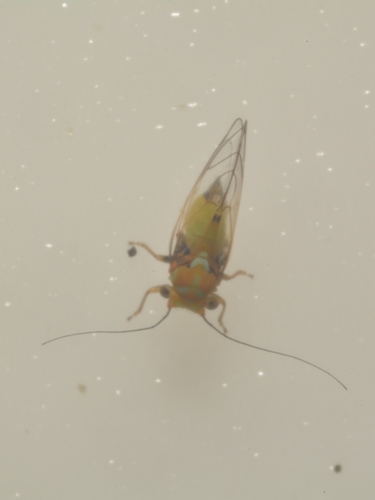
Jataiba
genusJataiba
Telmapsylla
genusTelmapsylla
Auchmeriniella
genusAuchmeriniella
Geijerolyma
genusGeijerolyma
Kleiniella
genusKleiniella
Manapa
genusManapa
Queiroziella
genusQueiroziella
Palmapenna
genusPalmapenna
Trigonon
genusTrigonon
Where it lives
Recorded sightings
—
geo-referenced records in GBIF, from museums, herbaria and field observers.
Drag the globe to turn it. Dots are where records exist, not a range map; darker means more records.
In the stacks
Searching the stacks…
Every page naming Ciriacreminae in the Biodiversity Heritage Library →
This page is assembled live from iNaturalist, GBIF, Wikipedia, the Source Library and the Internet Archive. It is not yet part of the hand-edited codex. iNaturalist taxon 802755.