- Animals
- ›Arthropods
- ›Hexapods
- ›Insects
- ›Winged and Once-winged Insects
- ›Grasshoppers, Crickets, and Katydids
- ›Katydids, Crickets, and Allies
- ›Crickets
- ›True Crickets and Allies
- ›Spider Crickets and Allies
- ›Spider Crickets
- ›Phalangopsini
- ›Luzarina
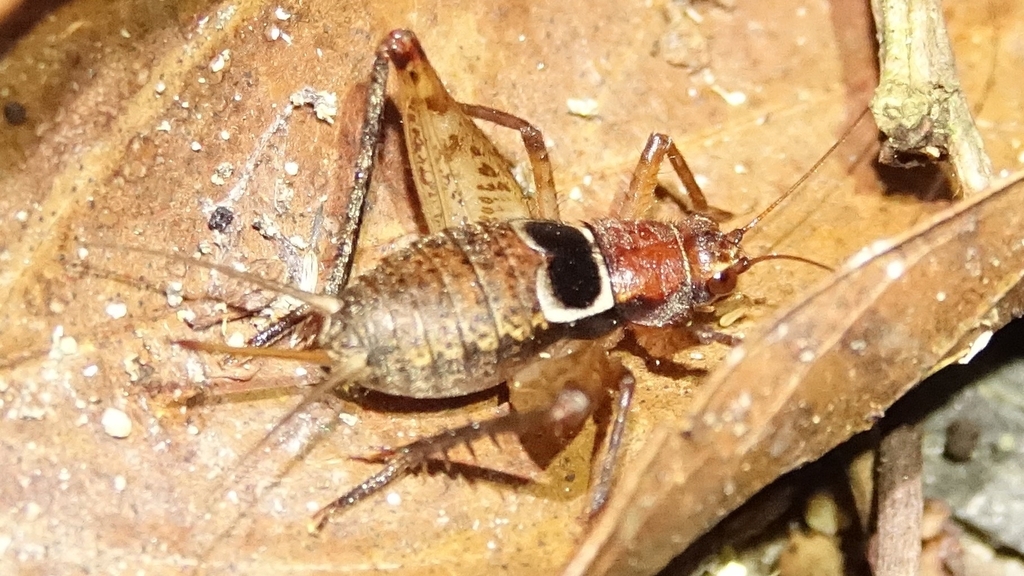
Tairona
Tairona or Tayrona was a Pre-Columbian cultural tradition characterised by a set of intense and complex relations between the coast, the slopes and the mountains of the Sierra Nevada de Santa Marta (in present-day Cesar, Magdalena and La Guajira Departments of Colombia, South America) sharing technology and social aspects and functioning effectively as an integrated organisational and productive system which consisted of a group of different chiefdoms whose definitive formation as an independent cultural tradition goes back to at least the 10th and 11th centuries AD.
Genetic and archaeological evidence shows a relatively dense occupation of the region by at least 200 BC. Pollen data compiled by Luisa Fernanda Herrera in 1980 shows considerable deforestation and the use of cultigens such as yuca and maize since possibly 1200 BC. However, occupation of the Colombian Caribbean coast by sedentary or semi-sedentary populations has been documented to have occurred by c. 4000 BC. In 2022, Gutiérrez Montoya Nayibe published the first complete synthesis of knowledge and research on the so-called Tairona.
1 branches of this genus, most-observed first
See this branch on the Wheel of Life →
Where it lives
Recorded sightings
—
geo-referenced records in GBIF, from museums, herbaria and field observers.
Drag the globe to turn it. Dots are where records exist, not a range map; darker means more records.
In the stacks
Searching the stacks…
Every page naming Tairona in the Biodiversity Heritage Library →
This page is assembled live from iNaturalist, GBIF, Wikipedia, the Source Library and the Internet Archive. It is not yet part of the hand-edited codex. iNaturalist taxon 765949.