- Animals
- ›Arthropods
- ›Hexapods
- ›Insects
- ›Winged and Once-winged Insects
- ›Flies
- ›Brachyceran Flies
- ›Orthorrhaphan Flies
- ›Asiloidea
- ›Robber Flies
- ›Laphriinae
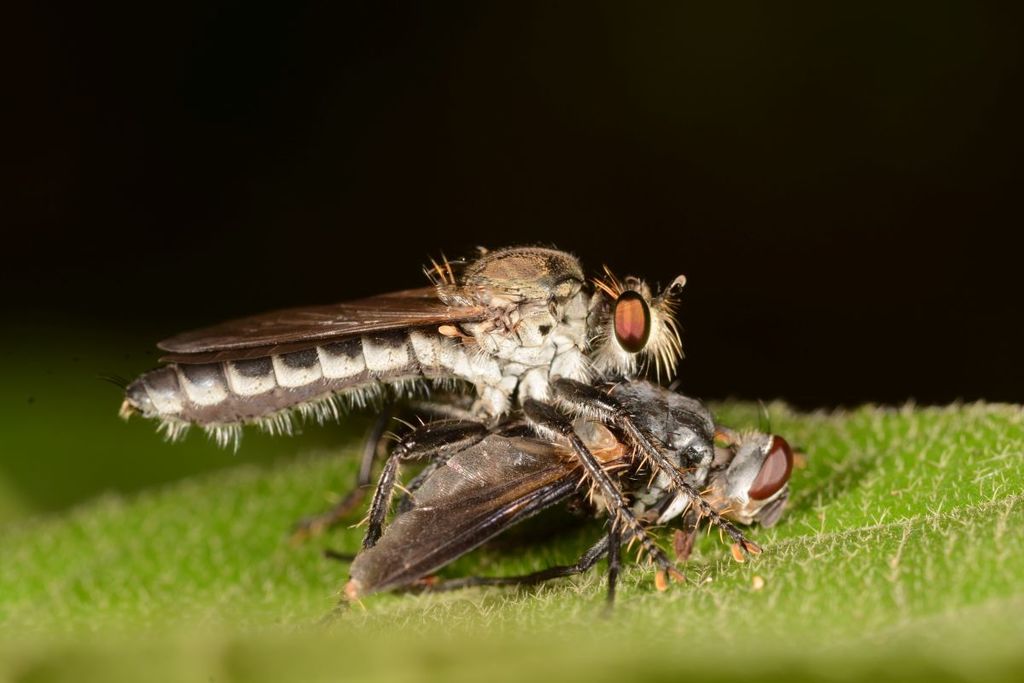
Nusa
The Lesser Sunda Islands, now known as Nusa Tenggara Islands in Indonesia, is an archipelago in the Indonesian archipelago and Timor Leste. Most of the Lesser Sunda Islands are located within the Wallacea region, except for the Bali province which is west of the Wallace Line and is within the Sunda Shelf. Together with the Greater Sunda Islands to the west, they make up the Sunda Islands. The islands are part of a volcanic arc, the Sunda Arc, formed by subduction along the Sunda Trench in the Java Sea. In 1930 the population was 3,460,059; today over 17 million people live on the islands. Etymologically, the name Nusa Tenggara means 'Southeast Islands' from the words nusa meaning 'island' and tenggara meaning 'southeast'.
The main Lesser Sunda Islands are, from west to east: Bali, Kangean Islands, Lombok, Sumbawa, Flores, Sumba, Savu, Rote, Timor, Atauro, Alor archipelago, Barat Daya Islands, and Tanimbar Islands. Apart from the eastern half of Timor island and Atauro island which constitute the nation of Timor Leste, all the other islands are part of Indonesia.
4 branches of this genus, most-observed first

Nusa infumata
speciesNusa infumata
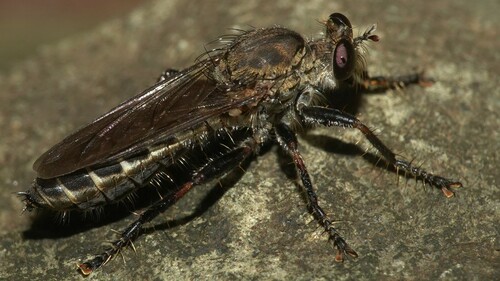
Nusa geniculata
speciesNusa geniculata
Nusa ramicosa
speciesNusa ramicosa
Nusa ingwavuma
speciesNusa ingwavuma
Where it lives
Recorded sightings
—
geo-referenced records in GBIF, from museums, herbaria and field observers.
Drag the globe to turn it. Dots are where records exist, not a range map; darker means more records.
In the stacks
Searching the stacks…
Every page naming Nusa in the Biodiversity Heritage Library →
This page is assembled live from iNaturalist, GBIF, Wikipedia, the Source Library and the Internet Archive. It is not yet part of the hand-edited codex. iNaturalist taxon 623351.