 NL·0115
Herbarium of the Nature Library
- Name
- Vanilla planifolia
- Family
- Orchidaceae
- Native to
- Southern Mexico, Central America and northern South America; cultivated in Madagascar, Réunion, Indonesia, Uganda, Papua New Guinea and India
- Habitat
- Tropical lowland rainforest, Shaded agroforestry
Vanilla orchid
Vanilla planifolia
Also calledTlilxochitl (Nahuatl, 'black flower') · Xa'nat (Totonac) · Vainilla (Spanish) · Lavanila (Malagasy) · Xiāngcǎolán (Chinese) · Vanili (Hindi/Swahili)
A climbing orchid from Mexican and Central American forests and the source of real vanilla, the second most expensive spice after saffron. Outside its homeland every flower must be hand-pollinated, a method invented in 1841 by Edmond Albius, a 12-year-old enslaved boy on Réunion.
Vanilla planifolia is a species of vanilla orchid native to Mexico, Central America, Colombia, and Brazil. It is one of the primary sources for vanilla flavouring, due to its high vanillin content. Common names include flat-leaved vanilla and West Indian vanilla, though it is often simply referred to as vanilla. It was first scientifically named in 1808. Wikipedia
What it can do
- iClimbs trees with aerial roots that cling to bark
- iiEach flower opens for only a few hours on a single morning
- iiiA thin flap (rostellum) separates male and female parts, preventing self-pollination without help
- ivGreen pods have no flavour; vanillin develops only after weeks of curing
At the table
Eatencured seed pods ('beans') and seeds
Cured pods and extract are safe. The sap of fresh stems and green pods can cause skin irritation ('vanillism') in plantation workers.
In the medicine cabinet
| Tradition | Use |
|---|---|
| Aztec medicine (Badianus Codex, 1552) | Vanilla mixed into remedies and amulets and taken with cacao as a tonic |
| 18th-century European pharmacy | Listed as a stimulant, digestive and aphrodisiac |
Weight of evidence
Traditional. Long historical use; little or no modern clinical evidence.
Active compounds
vanillin, p-hydroxybenzaldehyde, vanillic acid, glucovanillin (in green pods)
Fruit & seed
Fruit
Capsule (pod)
Ripens: Pods mature 8–9 months after pollination
Slender, fleshy green pod 15–25 cm long that, when cured, turns supple, glossy, deep chocolate-brown and intensely aromatic, sometimes frosted with vanillin crystals.
Seed
~0.3 mm
Tens of thousands of minute, round, glossy black seeds about 0.3 mm — the 'vanilla specks' in ice cream
- Dispersal
- Probably bees and other animals in the wild; seeds lack food reserves
- Germination
- Needs symbiotic fungi or sterile lab culture; practically impossible at home. Cultivation is by cuttings
How to grow it
Hardiness (USDA zones)
Tropical only (USDA 11–12); greenhouse elsewhere. Survives winters down to about 4 °C.
- Light
- Filtered light, about 50% shade
- Water
- High humidity; regular water, with a 2–3 month drier spell to trigger flowering
- Soil
- Loose, humus-rich mulch over well-drained soil (it roots mostly in leaf litter)
- Propagation
- Stem cuttings 1–2 m long with 6–12 nodes
- To harvest
- 3–4 years to first flowers; pods 8–9 months after pollination
- Climates
- Humid tropical, Equatorial
- 1Plant a 1–2 m cutting at the base of a living support tree (e.g. Gliricidia, Jatropha) or a post, laying 2–3 leafless nodes on the soil and covering them with mulch.
- 2Tie the vine to its support and keep it shaded and humid; mulch thickly with leaves.
- 3Loop the vine back down when it reaches 1.5–2 m so flowers form within reach.
- 4Each morning in the flowering season, hand-pollinate open flowers: lift the rostellum with a toothpick and press the anther onto the stigma.
- 5Pick pods when the tip yellows; cure by scalding in 65 °C water, 'sweating' wrapped in blankets, then sunning by day and wrapping at night for weeks before slow drying.
Can it grow where you are?
Where it lives
Recorded sightings
—
geo-referenced records in GBIF, from museums, herbaria and field observers.
Native range
Southern Mexico, Central America and northern South America; cultivated in Madagascar, Réunion, Indonesia, Uganda, Papua New Guinea and India
Drag the globe to turn it. Dots are where records exist, not a range map; darker means more records.
In the old herbals & bestiaries
Woodcuts and engravings matched from the Source Library’s scanned books by name. Plates marked “relative” show a close kin rather than this exact species. Click a plate to read the page it came from, with translation.


In the stacks
Searching the stacks…
Every page naming Vanilla planifolia in the Biodiversity Heritage Library →
Marginalia
The Totonac people of Veracruz say vanilla sprang from the blood of a princess, Xanat, and her lover. Edmond Albius's thumb-and-stick technique (1841) made Réunion and Madagascar the centre of world vanilla, but he died in poverty.
Curiosity
Less than 1% of the vanilla flavour sold worldwide comes from real vanilla; the rest is synthetic vanillin.
Kinship

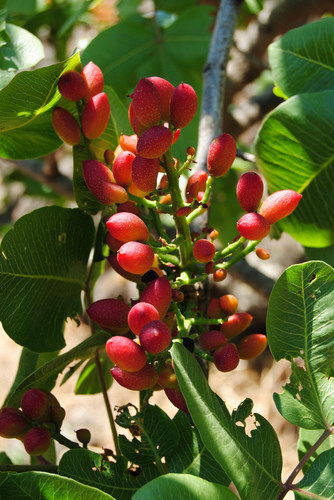
Photographs: iNaturalist contributors under the licences shown. Records: GBIF.org. Historical plates: Source Library (CC BY-SA 4.0; originals public domain). Summary text: Nature Library editors and Wikipedia (CC BY-SA). Medicinal and edibility notes are historical and educational, not advice. iNaturalist taxon 61393.