- Animals
- ›Arthropods
- ›Hexapods
- ›Insects
- ›Winged and Once-winged Insects
- ›True Bugs, Hoppers, Aphids, and allies
- ›True Bugs
- ›Pentatomomorph Bugs
- ›Stink Bugs, Shield Bugs, and Allies
- ›Stink Bugs
- ›Pentatominae
- ›Rhynchocorini
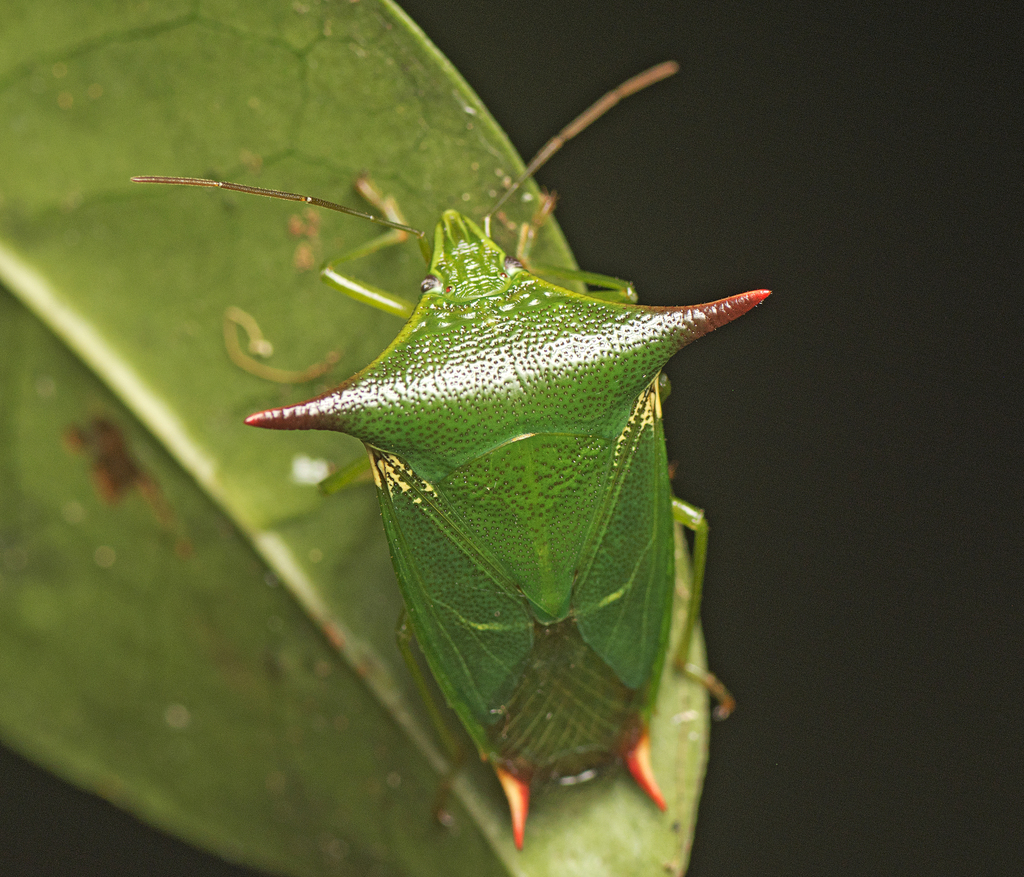
Vitellus
Among animals which produce eggs, the yolk (; also known as the vitellus) is the nutrient-bearing portion of the egg, the primary function of which is to supply food for the development of the embryo. Some types of egg contain no yolk, for example because they are laid in situations where the food supply is sufficient (such as in the body of the host of a parasitoid) or because the embryo develops in the parent's body, which supplies the food, usually through a placenta. Reproductive systems in which the mother's body supplies the embryo directly are said to be matrotrophic; those in which the embryo is supplied by yolk are said to be lecithotrophic. In many species, such as all birds, and most reptiles and insects, the yolk takes the form of a special storage organ constructed in the reproductive tract of the mother. In many other animals, especially very small species such as some fish and invertebrates, the yolk material is not in a special organ, but inside the egg cell.
As stored food, yolks are often rich in vitamins, minerals, lipids and proteins. The proteins function partly as food in their own right, and partly in regulating the storage and supply of the other nutrients. For example, in some species the amount of yolk in an egg cell affects the developmental processes that follow fertilization.
7 branches of this genus, most-observed first
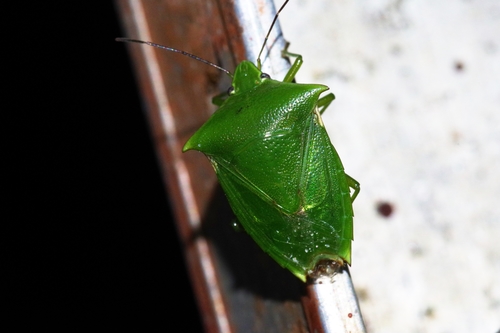
Vitellus orientalis
speciesVitellus orientalis
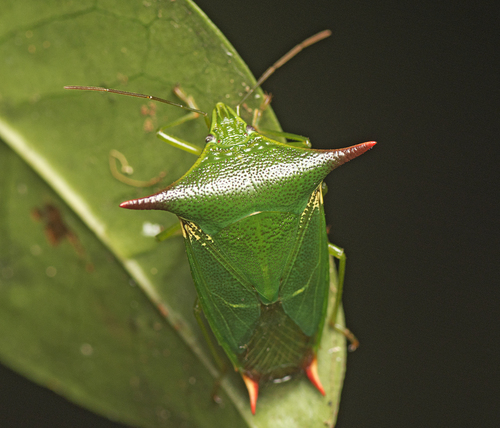
Lesser Horned Citrus Bug
speciesVitellus antemna

Vitellus rufolineus
speciesVitellus rufolineus
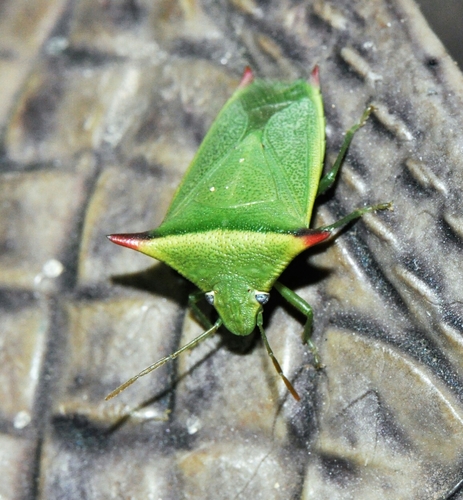
Vitellus warreni
speciesVitellus warreni

Vitellus mucronatus
speciesVitellus mucronatus

Vitellus simpsoni
speciesVitellus simpsoni

Vitellus forficuloides
speciesVitellus forficuloides
Where it lives
Recorded sightings
—
geo-referenced records in GBIF, from museums, herbaria and field observers.
Drag the globe to turn it. Dots are where records exist, not a range map; darker means more records.
In the stacks
Searching the stacks…
Every page naming Vitellus in the Biodiversity Heritage Library →
This page is assembled live from iNaturalist, GBIF, Wikipedia, the Source Library and the Internet Archive. It is not yet part of the hand-edited codex. iNaturalist taxon 570764.