- Animals
- ›Arthropods
- ›Hexapods
- ›Insects
- ›Winged and Once-winged Insects
- ›Ants, Bees, Wasps, and Sawflies
- ›Narrow-waisted Wasps, Ants, and Bees
- ›Ants, Bees, and Stinging Wasps
- ›Bees and Apoid Wasps
- ›Bees
- ›Honey Bees, Bumble Bees, and Allies
- ›Apine Bees
- ›Longhorn Bees

Melissodes
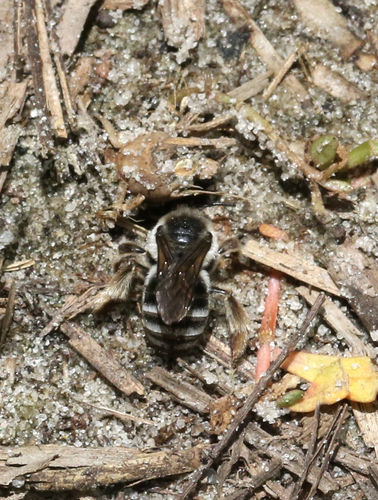
Melissodes is the second largest genus of long-horned bees - named for the characteristically long antennae of males. Melissodes currently has 129 described species, all native to the Americas, from Canada in the North to Argentina in the South (though less common in the tropics).
The females of most species are either polylectic (collect pollen from a variety of plant species) or oligolectic (collect pollen from a narrow set of closely related plant species) on Asteraceae. Melissodes are important crop pollinators, particularly on sunflower, but they have also been observed on canola, cantaloupe, watermelon, cotton, coffee, and alfalfa.



Where it lives
Recorded sightings
—
geo-referenced records in GBIF, from museums, herbaria and field observers.
Drag the globe to turn it. Dots are where records exist, not a range map; darker means more records.
In the stacks
Searching the stacks…
Every page naming Melissodes in the Biodiversity Heritage Library →
This page is assembled live from iNaturalist, GBIF, Wikipedia, the Source Library and the Internet Archive. It is not yet part of the hand-edited codex. iNaturalist taxon 52781.