- Animals
- ›Arthropods
- ›Hexapods
- ›Insects
- ›Winged and Once-winged Insects
- ›Butterflies and Moths
- ›Pyralid and Crambid Snout Moths
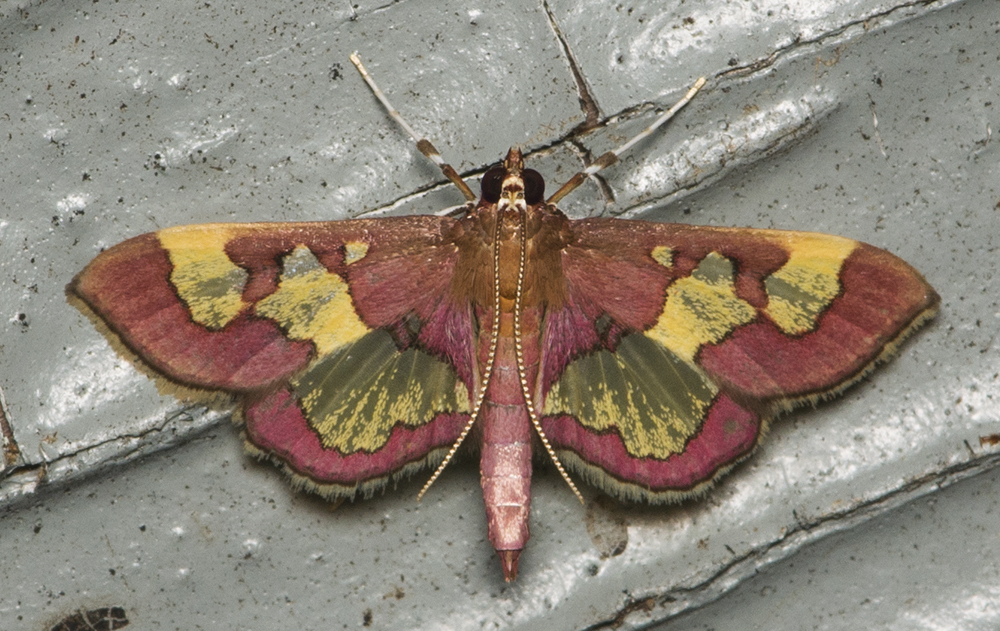
Crambid Snout Moths
Crambidae
Crambidae comprises the grass moth family of lepidopterans. They are variable in appearance, with the nominal subfamily Crambinae (grass moths) taking up closely folded postures on grass stems where they are inconspicuous, while other subfamilies include brightly coloured and patterned insects that rest in wing-spread attitudes.
In many classifications, the Crambidae have been treated as a subfamily of the Pyralidae or snout moths. The principal difference is a structure in the tympanal organs called the praecinctorium, which joins two tympanic membranes in the Crambidae, and is absent from the Pyralidae. The latest review by Munroe and Solis, in Kristensen (1999), retains the Crambidae as a full family. The family currently comprises 15 subfamilies with altogether 10,347 species in over 1,000 genera.
17 branches of this family, most-observed first

Pearl Moths
subfamilySpilomelinae

Grass-veneers and Allies
subfamilyCrambinae
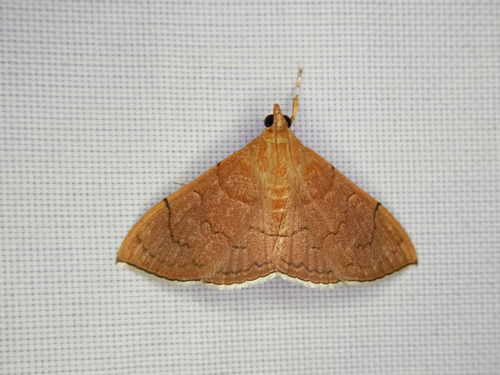
Pyraustinae
subfamilyPyraustinae
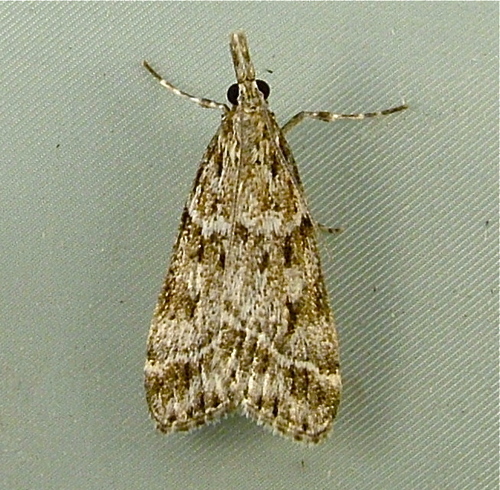
Moss-eating Crambid Snout Moths
subfamilyScopariinae

China-mark Moths
subfamilyAcentropinae

Glaphyriinae
subfamilyGlaphyriinae

Odontiinae
subfamilyOdontiinae

Schoenobiinae
subfamilySchoenobiinae
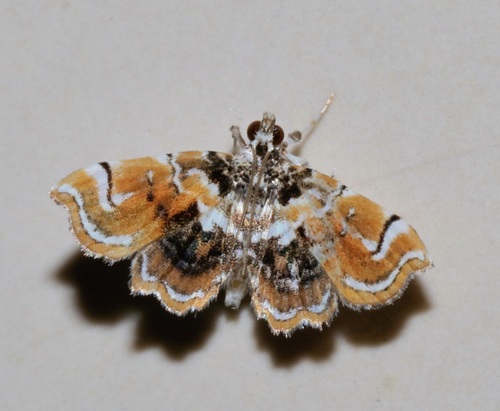
Musotiminae
subfamilyMusotiminae
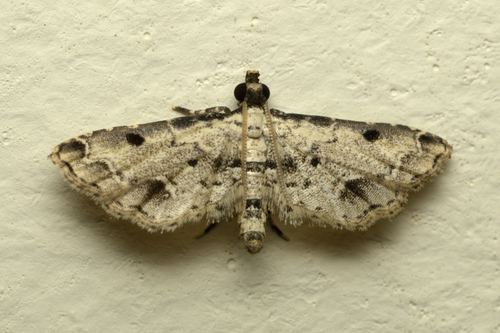
Spotted-costa Crambid Snout Moths
subfamilyLathrotelinae
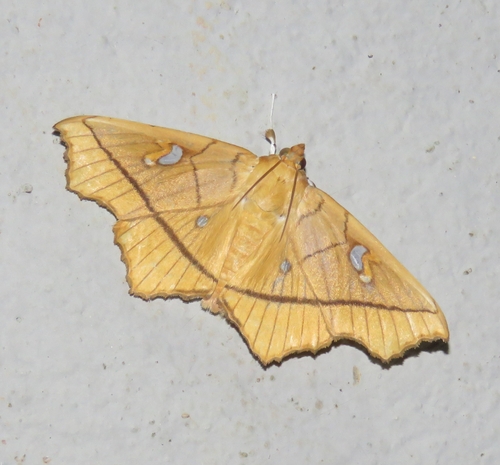
Midilinae
subfamilyMidilinae
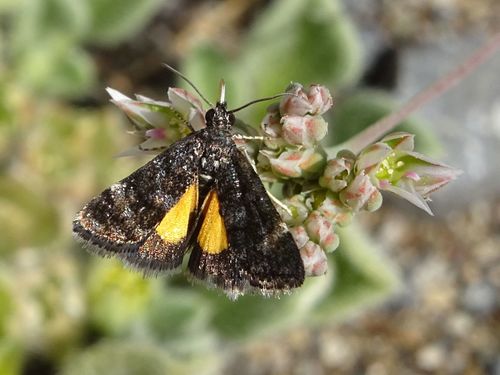
Heliothelinae
subfamilyHeliothelinae
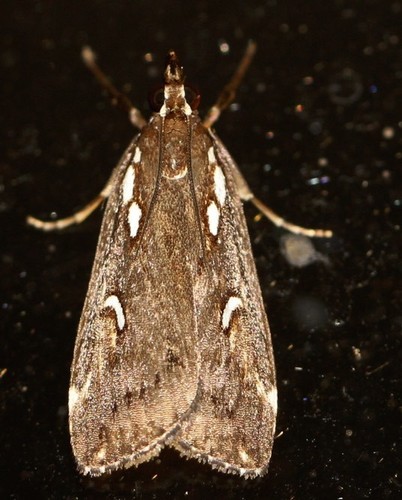
Hoploscopinae
subfamilyHoploscopinae
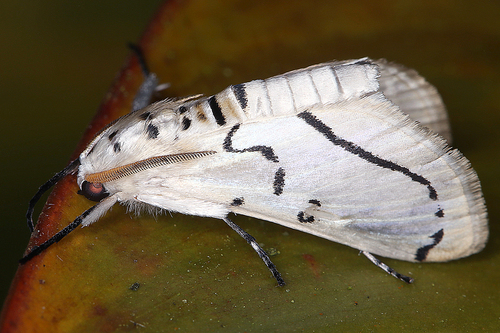
Linostinae
subfamilyLinostinae
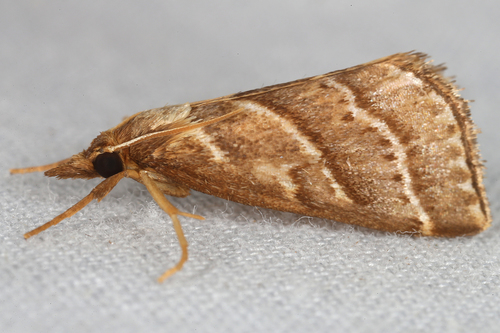
Erupinae
subfamilyErupinae
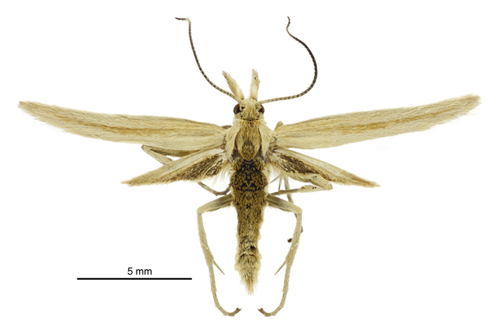
Exsilirarcha
genusExsilirarcha
Baltianania
genusBaltianania
Where it lives
Recorded sightings
—
geo-referenced records in GBIF, from museums, herbaria and field observers.
Drag the globe to turn it. Dots are where records exist, not a range map; darker means more records.
In the stacks
Searching the stacks…
Every page naming Crambidae in the Biodiversity Heritage Library →
This page is assembled live from iNaturalist, GBIF, Wikipedia, the Source Library and the Internet Archive. It is not yet part of the hand-edited codex. iNaturalist taxon 52002.