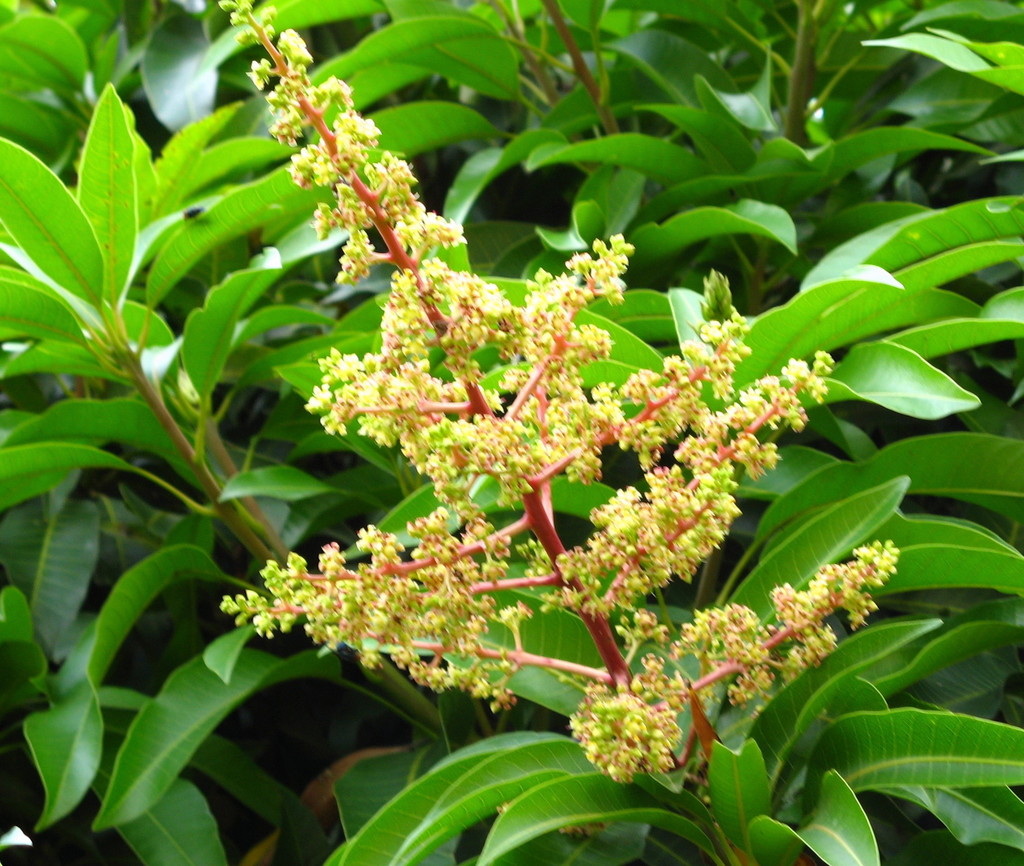
Cashew Family
Anacardiaceae
The Anacardiaceae, commonly known as the cashew family or sumac family, are a family of flowering plants, including about 83 genera with about 860 known species. Members of the Anacardiaceae bear fruits that are drupes and in some cases produce urushiol, an irritant. The Anacardiaceae include numerous genera, several of which are economically important, notably cashew (in the type genus Anacardium), mango, Chinese lacquer tree, yellow mombin, Peruvian pepper, sumac, smoke tree, marula, and cuachalalate. The genus Pistacia (which includes the pistachio and mastic tree) is now included, but was previously placed in its own family, the Pistaciaceae.
The cashew family is more abundant in warm or tropical regions, with only a few species living in the temperate zones. Mostly native to tropical Americas, Africa, and India. Pistacia and some species of Rhus can be found in southern Europe, Rhus species can be found in much of North America, and Schinus inhabits South America exclusively.
13 branches of this family, most-observed first

cashews, sumacs, and allies
subfamilyAnacardioideae
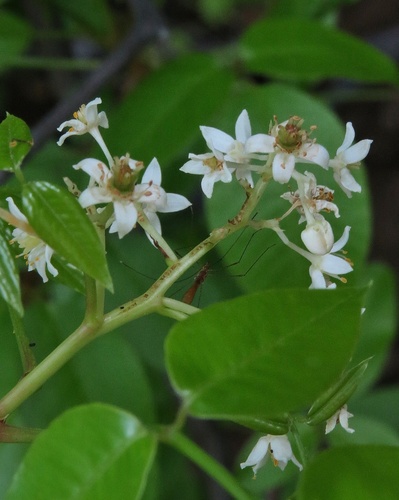
Tropical Plums
subfamilySpondiadoideae
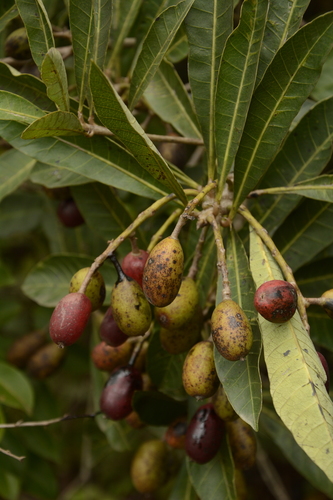
Holigarna
genusHoligarna
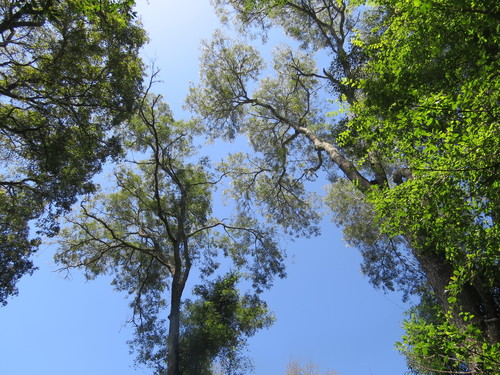
Myracrodruon
genusMyracrodruon
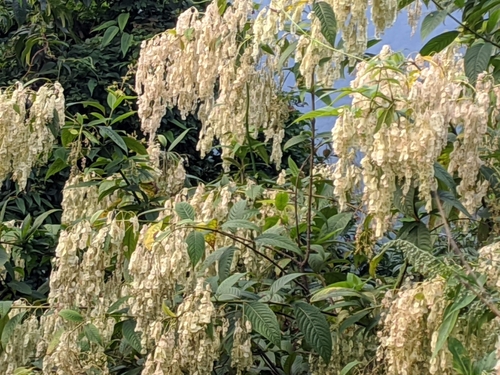
Dobinea
genusDobinea
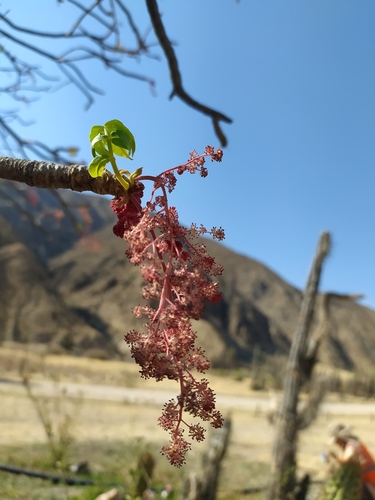
Orthopterygium
genusOrthopterygium
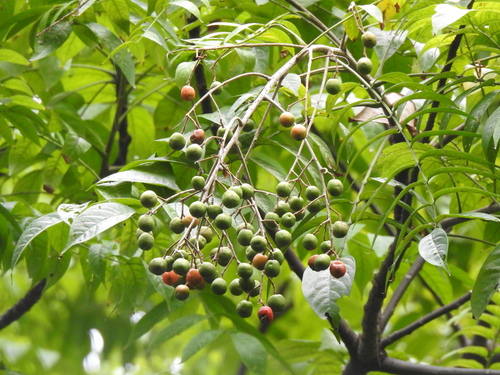
Allospondias
genusAllospondias

Attilaea
genusAttilaea

Fegimanra
genusFegimanra
Campylopetalum
genusCampylopetalum
Cardenasiodendron
genusCardenasiodendron
Poupartiopsis
genusPoupartiopsis
Tumultivenia
genusTumultivenia
Where it lives
Recorded sightings
—
geo-referenced records in GBIF, from museums, herbaria and field observers.
Drag the globe to turn it. Dots are where records exist, not a range map; darker means more records.
In the stacks
Searching the stacks…
Every page naming Anacardiaceae in the Biodiversity Heritage Library →
This page is assembled live from iNaturalist, GBIF, Wikipedia, the Source Library and the Internet Archive. It is not yet part of the hand-edited codex. iNaturalist taxon 48874.