- Plants
- ›Vascular Plants
- ›flowering plants
- ›Dicots
- ›Sunflowers, Bellflowers, Fanflowers, and Allies
- ›Sunflowers, Daisies, Asters, and Allies
- ›Asteroideae
- ›Sunflowers and Allies
- ›Zinniinae
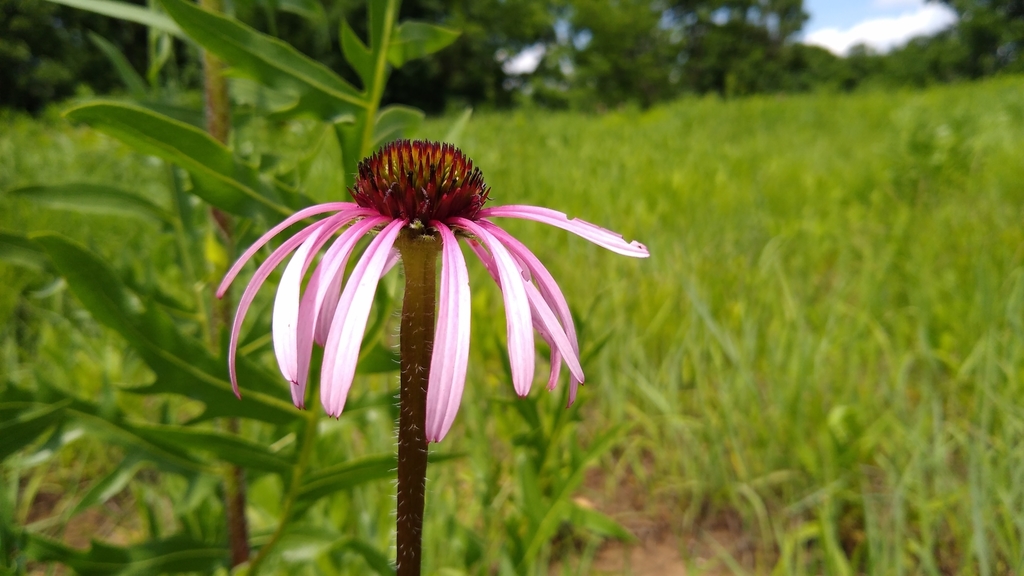
coneflowers
Echinacea
Echinacea [ek-in-NAY-shee-a] is a genus of herbaceous flowering plants in the daisy family. It has ten species, which are commonly called coneflowers. They are native only in eastern and central North America, where they grow in wet to dry prairies and open wooded areas. They have large, showy heads of composite flowers, blooming in summer. The generic name is derived from the Greek word ἐχῖνος (ekhinos), meaning "hedgehog", due to the spiny central disk. These flowering plants and their parts have different uses. Some species are cultivated in gardens for their showy flowers. Two of the species, E. tennesseensis and E. laevigata, were formerly listed in the United States as endangered species; E. tennesseensis has been delisted due to recovery and E. laevigata is now listed as threatened.
Echinacea has a long history of use in traditional medicine by Indigenous peoples for treating infections, pain, and wounds, and it later gained popularity in Western herbal remedies, especially for colds. However, modern research shows weak or inconclusive evidence for its effectiveness, with concerns about product variability and potential side effects. Regulatory authorities have not approved Echinacea products for any medical use.
9 branches of this genus, most-observed first

purple coneflower
speciesEchinacea purpurea
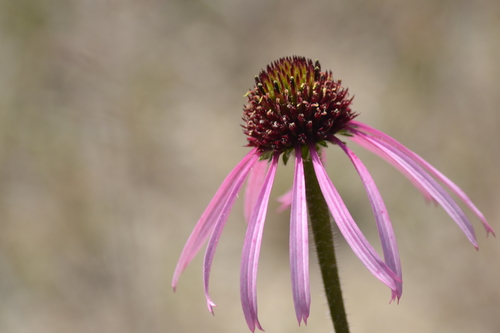
pale purple coneflower
speciesEchinacea pallida
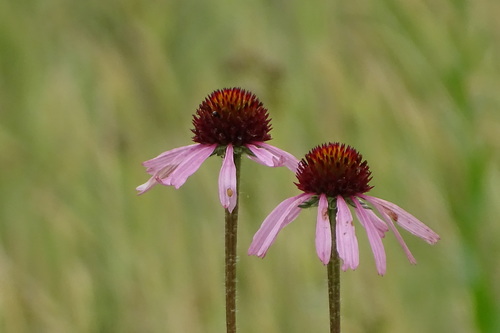
narrow-leaved purple coneflower
speciesEchinacea angustifolia
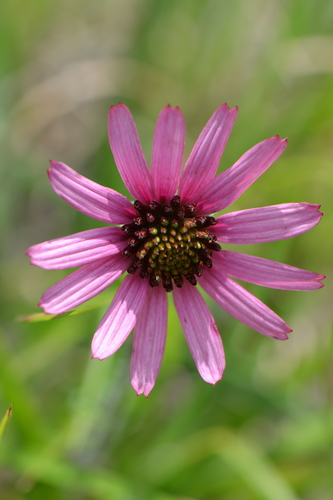
Tennessee purple coneflower
speciesEchinacea tennesseensis

sanguine purple coneflower
speciesEchinacea sanguinea
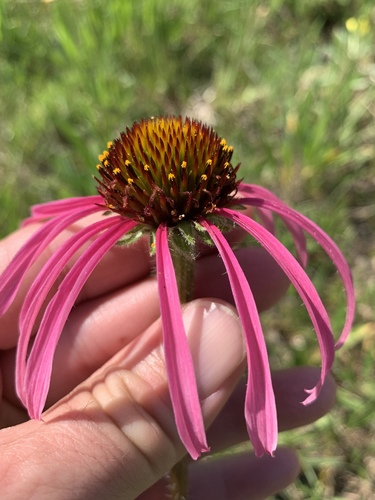
wavyleaf purple coneflower
speciesEchinacea simulata
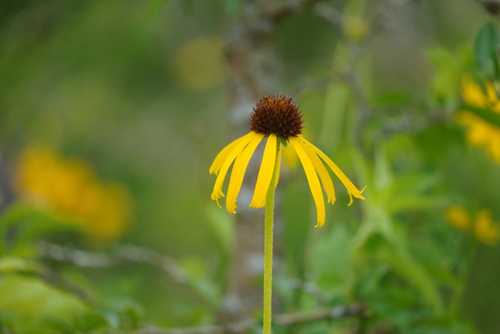
yellow coneflower
speciesEchinacea paradoxa
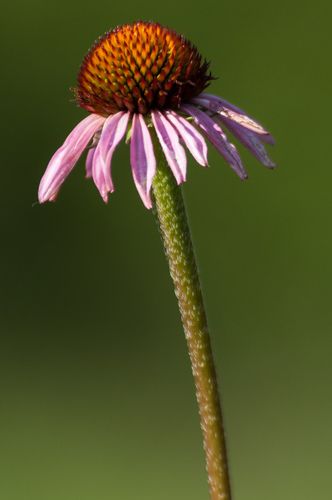
Topeka purple coneflower
speciesEchinacea atrorubens
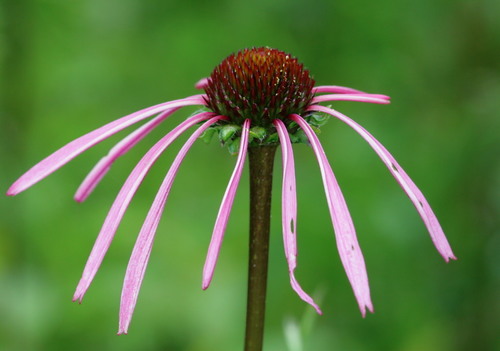
smooth purple coneflower
speciesEchinacea laevigata
Where it lives
Recorded sightings
—
geo-referenced records in GBIF, from museums, herbaria and field observers.
Drag the globe to turn it. Dots are where records exist, not a range map; darker means more records.
In the stacks
Searching the stacks…
Every page naming Echinacea in the Biodiversity Heritage Library →
This page is assembled live from iNaturalist, GBIF, Wikipedia, the Source Library and the Internet Archive. It is not yet part of the hand-edited codex. iNaturalist taxon 48628.