
knotweed family
Polygonaceae
The Polygonaceae are a family of flowering plants known informally as the knotweed family or smartweed—buckwheat family in the United States. The name is based on the genus Polygonum, and was first used by Antoine Laurent de Jussieu in 1789 in his book, Genera Plantarum. The name may refer to the many swollen nodes the stems of some species have, being derived from Greek (poly meaning 'many' and gony meaning 'knee' or 'joint'). Alternatively, it may have a different origin, meaning 'many seeds'.
The Polygonaceae comprise about 1,200 species distributed into about 48 genera. The largest genera are Eriogonum (240 species), Rumex (200 species), Coccoloba (120 species), Persicaria (100 species) and Calligonum (80 species). The family is present worldwide, but is most diverse in the North Temperate Zone.
3 branches of this family, most-observed first

Polygonoideae
subfamilyPolygonoideae
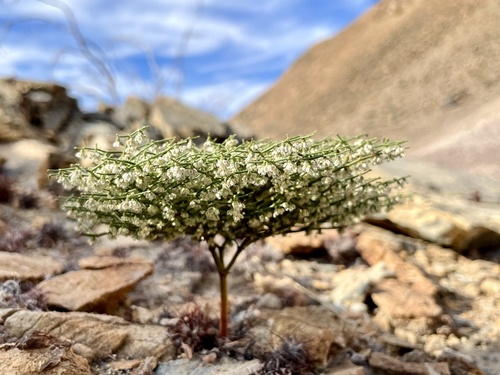
Eriogonoideae
subfamilyEriogonoideae
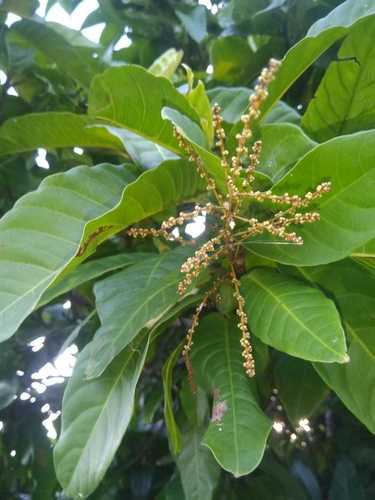
Symmerioideae
subfamilySymmerioideae
Where it lives
Recorded sightings
—
geo-referenced records in GBIF, from museums, herbaria and field observers.
Drag the globe to turn it. Dots are where records exist, not a range map; darker means more records.
In the stacks
Searching the stacks…
Every page naming Polygonaceae in the Biodiversity Heritage Library →
This page is assembled live from iNaturalist, GBIF, Wikipedia, the Source Library and the Internet Archive. It is not yet part of the hand-edited codex. iNaturalist taxon 48382.