- Animals
- ›Arthropods
- ›Hexapods
- ›Insects
- ›Winged and Once-winged Insects
- ›Butterflies and Moths
- ›Hawk, Sphinx, Silk, Emperor, and Allied Moths
Emperor and Giant Silk Moths
Saturniidae
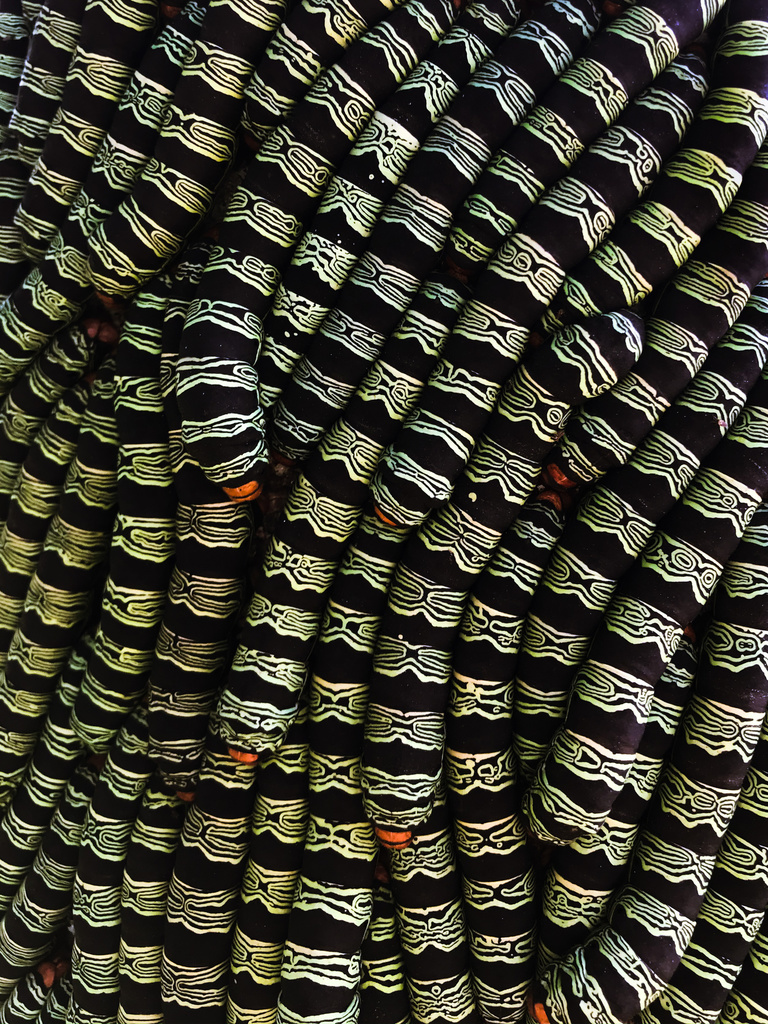
Saturniidae, members of which are commonly named the saturniids, is a family of Lepidoptera with an estimated 2,300 described species. The family contains some of the largest species of moths in the world. Notable members include the emperor moths, royal moths, and giant silk moths (or wild silk moths).
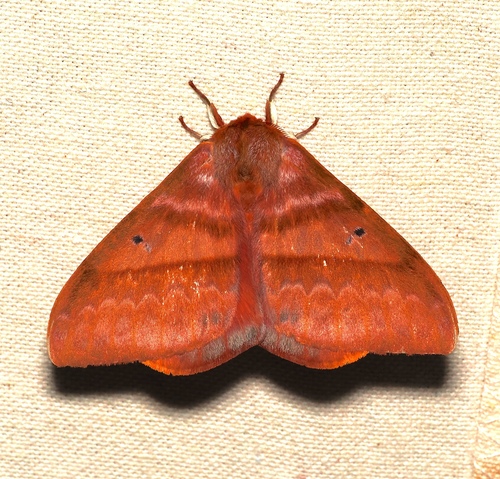
Adults are characterized by large, lobed wings, heavy bodies covered in hair-like scales, and reduced mouthparts. They lack a frenulum, but the hindwings overlap the forewings to produce the effect of an unbroken wing surface. Saturniids are sometimes brightly colored and often have translucent eyespots or "windows" on their wings. Sexual dimorphism varies by species, but males can generally be distinguished by their larger, broader antennae.
10 branches of this family, most-observed first

Emperor Moths
subfamilySaturniinae
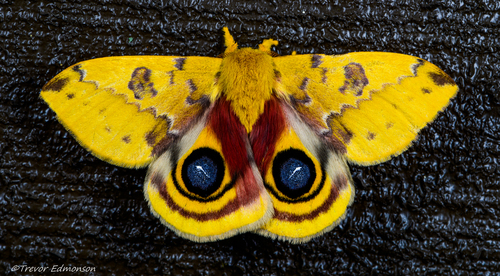
Buck and Io Moths
subfamilyHemileucinae

Royal Moths
subfamilyCeratocampinae

Arsenurinae
subfamilyArsenurinae

Agliinae
subfamilyAgliinae

Oxyteninae
subfamilyOxyteninae
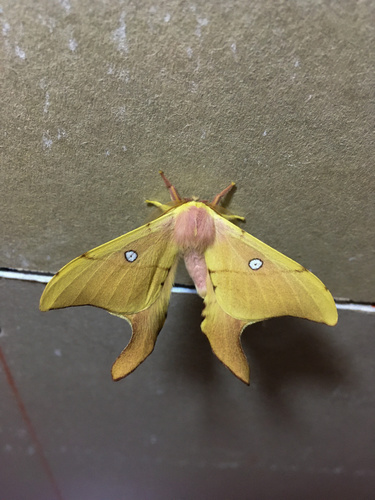
Cercophaninae
subfamilyCercophaninae
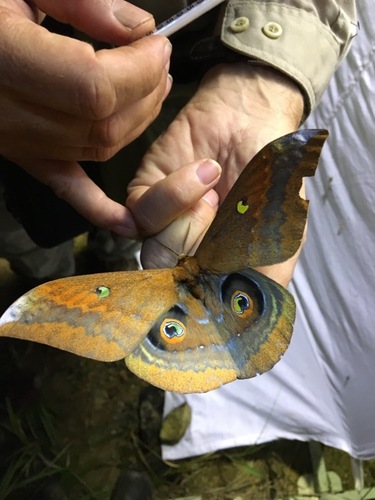
Salassinae
subfamilySalassinae
Hirpidinae
subfamilyHirpidinae
Chrysodesmia
genusChrysodesmia
Where it lives
Recorded sightings
—
geo-referenced records in GBIF, from museums, herbaria and field observers.
Drag the globe to turn it. Dots are where records exist, not a range map; darker means more records.
In the stacks
Searching the stacks…
Every page naming Saturniidae in the Biodiversity Heritage Library →
This page is assembled live from iNaturalist, GBIF, Wikipedia, the Source Library and the Internet Archive. It is not yet part of the hand-edited codex. iNaturalist taxon 47918.