- Plants
- ›Vascular Plants
- ›flowering plants
- ›Dicots
- ›begonias, gourds, and allies
- ›Begonia family
- ›Begonia
- ›Australes
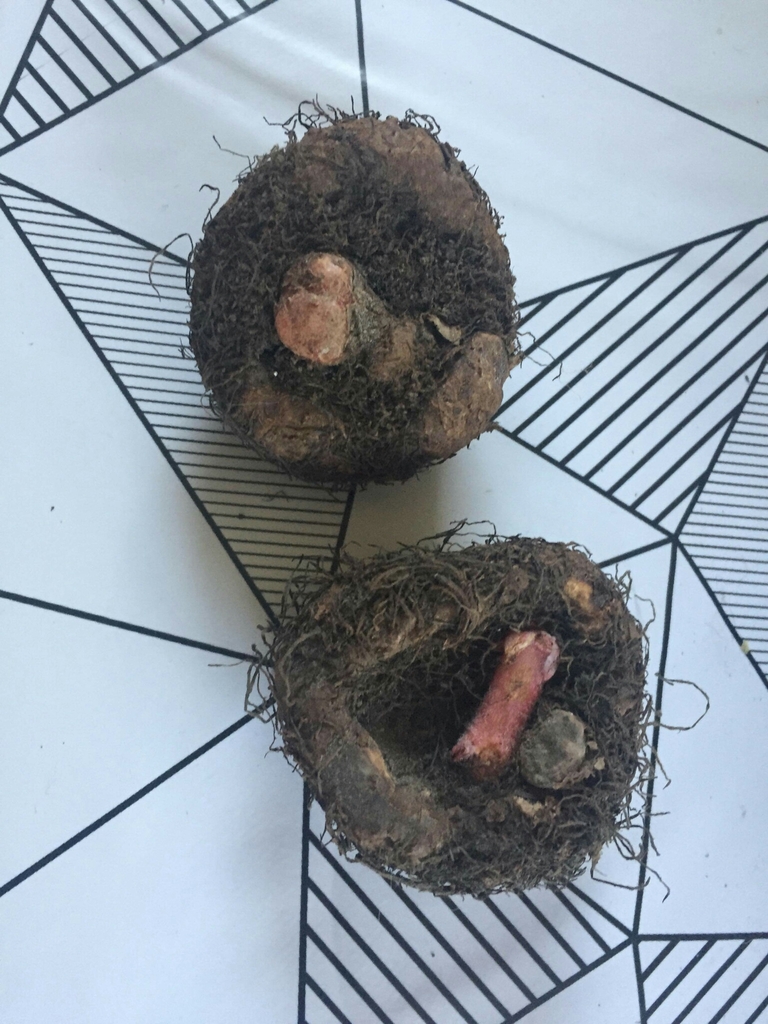
Tuberous Begonia
Begonia × tuberhybrida
Begonia × tuberhybrida, also known as the Tuberhybrida Group or the Tuberosa Group, are a group of tuberous Begonia cultivars named for the tubers that lie dormant after the plants dies back in the fall or winter, from which the plant regrows in the spring or fall. This type of begonia is usually grown for the flowers they produce, sometimes regarded as some of the most spectacular of the genus. They can be as small as half an inch to as big around as dinner plates. They come in all shades but blue, and some have different colored edges, or are scented. They vary in growth habit, some kinds trailing with pendulant flowers, others with sturdy, upright stalks.
Tuberhybrida begonias were one of the first types of begonias ever to be hybridized. One of the first hybrids produced was B. x sedenii in 1870, a cross between B. boliviensis, collected by botanist Richard Pearce, and a species from the Andes. Another species from Peru, B. davisii (named after Walter Davis), was also used in early breeding.
From the article Begonia × tuberhybrida on Wikipedia (CC BY-SA), quoted section by section
How it is grown
Light Tuberous begonias grow best in partial shade or filtered sunlight. Excessive exposure to sunlight can result in burnt flowers and leaves. However, too much shade will result in compensatory growth of foliage at the expense of flowers. Soil Proper drainage is needed for the soil of Begonia tuberhybrida. Plant a Begonia in a pot with equal parts perlite and coarse sand. Sand consists of tiny spaces where air, water and nutrients can move freely. Climate These plants prefer cool temperatures.
== References ==
Wikipedia: “Cultivation”
Where it lives
Recorded sightings
—
geo-referenced records in GBIF, from museums, herbaria and field observers.
Drag the globe to turn it. Dots are where records exist, not a range map; darker means more records.
In the stacks
Searching the stacks…
Every page naming Begonia × tuberhybrida in the Biodiversity Heritage Library →
This page is assembled live from iNaturalist, GBIF, Wikipedia, the Source Library and the Internet Archive. It is not yet part of the hand-edited codex. iNaturalist taxon 476049.