Coryphoideae
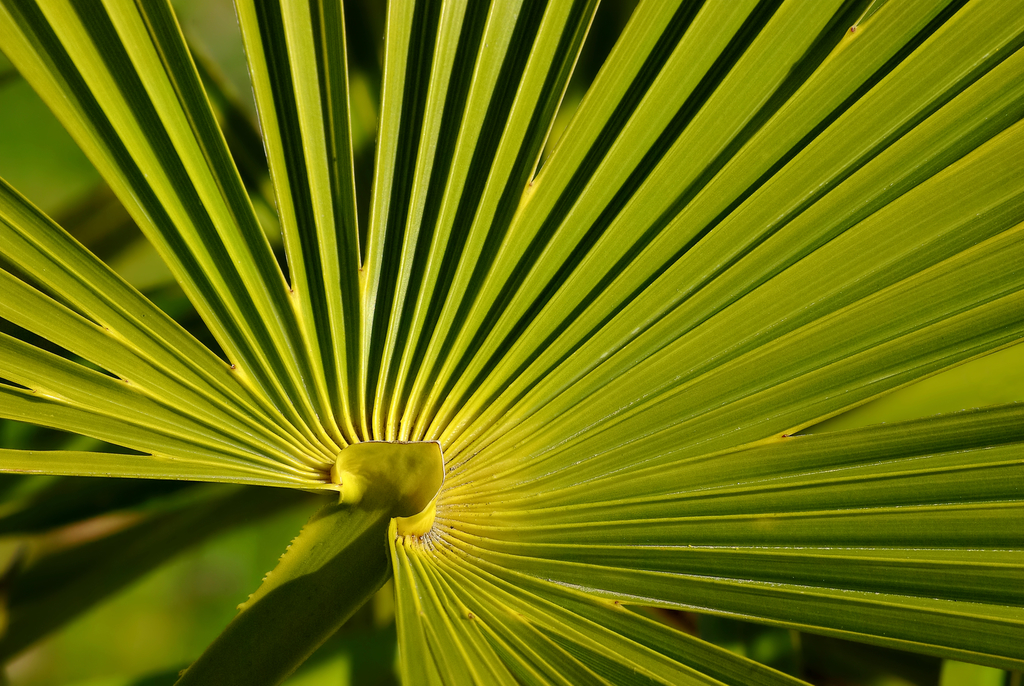
The Coryphoideae is one of five subfamilies in the palm family, Arecaceae. It contains all of the genera with palmate leaves, excepting Mauritia, Mauritiella and Lepidocaryum, all of subfamily Calamoideae, tribe Lepidocaryeae, subtribe Mauritiinae. The subfamily comprises approximately 46 genera and more than 400 species, with members occurring across tropical, subtropical, and warm temperate regions worldwide, best known for their palmate or costapalmate (“fan”) leaves. Historically, this leaf form played a disproportionate role in palm classification, leading to the long-standing assumption that all fan palms represented a single, closely related evolutionary lineage. However, all Coryphoideae palm leaves have induplicate (V-shaped) leaf folds (excepting Guihaia), while Calamoideae palms have reduplicate (inverted V-shaped) leaf folds. Pinnate leaves do occur in Coryphoideae, in Phoenix, Arenga, Wallichia and bipinnate in Caryota.
Coryphoids are well-represented in the fossil record from the Late Cretaceous (Campanian) onwards, primarily because of the presence of the form genus Sabalites.
9 branches of this subfamily, most-observed first

Trachycarpeae
tribeTrachycarpeae

Phoeniceae
tribePhoeniceae

Sabaleae
tribeSabaleae
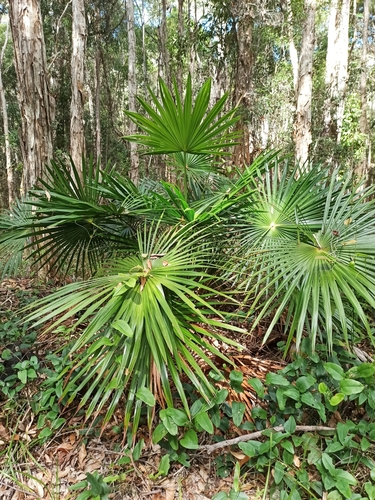
Livistoneae
tribeLivistoneae
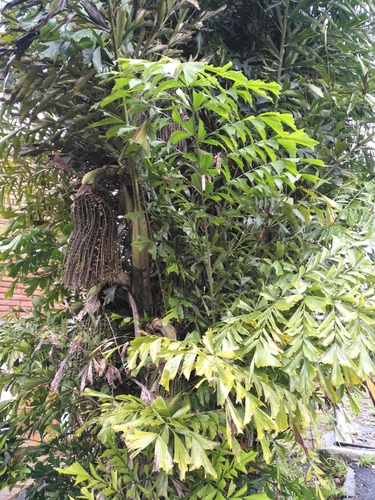
Caryoteae
tribeCaryoteae
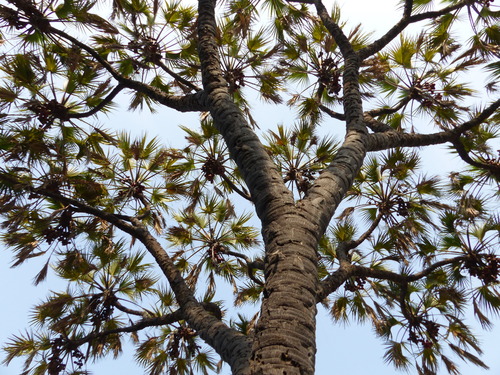
Borasseae
tribeBorasseae
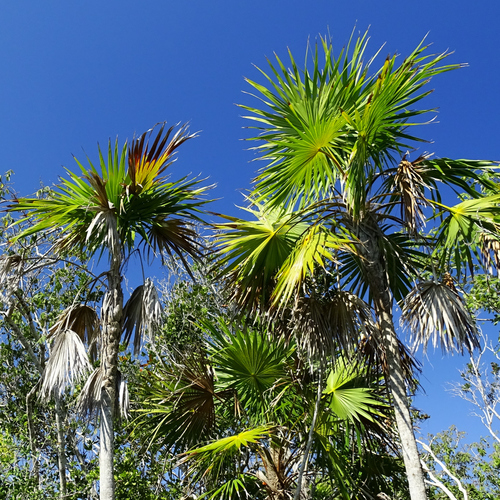
Cryosophileae
tribeCryosophileae
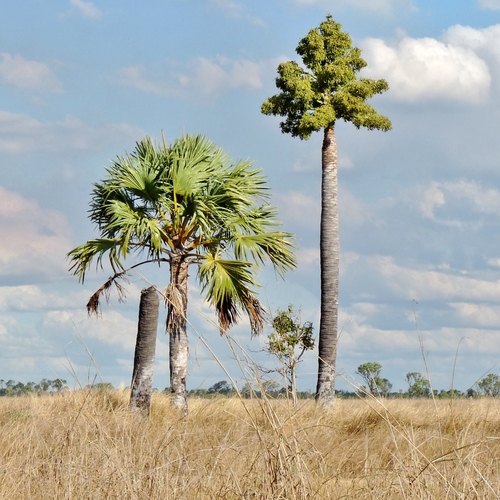
Corypheae
tribeCorypheae

Chuniophoeniceae
tribeChuniophoeniceae
Where it lives
Recorded sightings
—
geo-referenced records in GBIF, from museums, herbaria and field observers.
Drag the globe to turn it. Dots are where records exist, not a range map; darker means more records.
In the stacks
Searching the stacks…
Every page naming Coryphoideae in the Biodiversity Heritage Library →
This page is assembled live from iNaturalist, GBIF, Wikipedia, the Source Library and the Internet Archive. It is not yet part of the hand-edited codex. iNaturalist taxon 475433.