- Animals
- ›Arthropods
- ›Hexapods
- ›Insects
- ›Winged and Once-winged Insects
- ›Butterflies and Moths
- ›Owlet Moths and Allies
- ›Cutworm Moths and Allies
- ›Aediinae
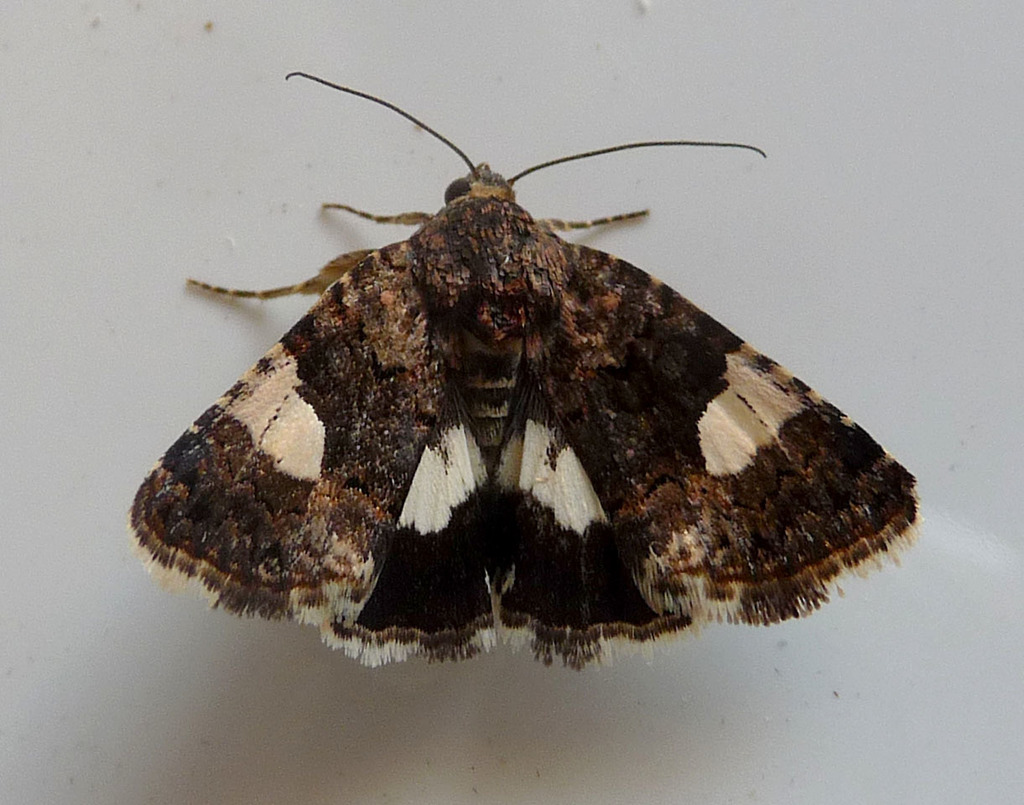
Tyta
Tyta is a genus of noctuid ('owlet') moths that was erected by Gustaf Johan Billberg in 1820. It is monotypic, being represented by the single species Tyta luctuosa, commonly known as four-spotted moth and field bindweed moth. The species was first described by Michael Denis and Ignaz Schiffermüller in 1775.
This moth is native to much of the Palearctic – most of Europe east to the Caucasus, Kazakhstan and from Siberia to China and south to North Africa. The adult moth is about eleven millimeters long and dark brown with one large white spot on each of its four wings.
1 branches of this genus, most-observed first
See this branch on the Wheel of Life →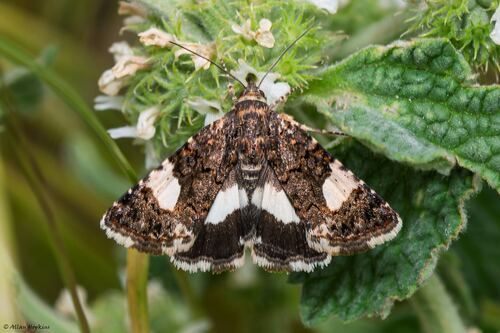
Where it lives
Recorded sightings
—
geo-referenced records in GBIF, from museums, herbaria and field observers.
Drag the globe to turn it. Dots are where records exist, not a range map; darker means more records.
In the stacks
Searching the stacks…
Every page naming Tyta in the Biodiversity Heritage Library →
This page is assembled live from iNaturalist, GBIF, Wikipedia, the Source Library and the Internet Archive. It is not yet part of the hand-edited codex. iNaturalist taxon 335067.