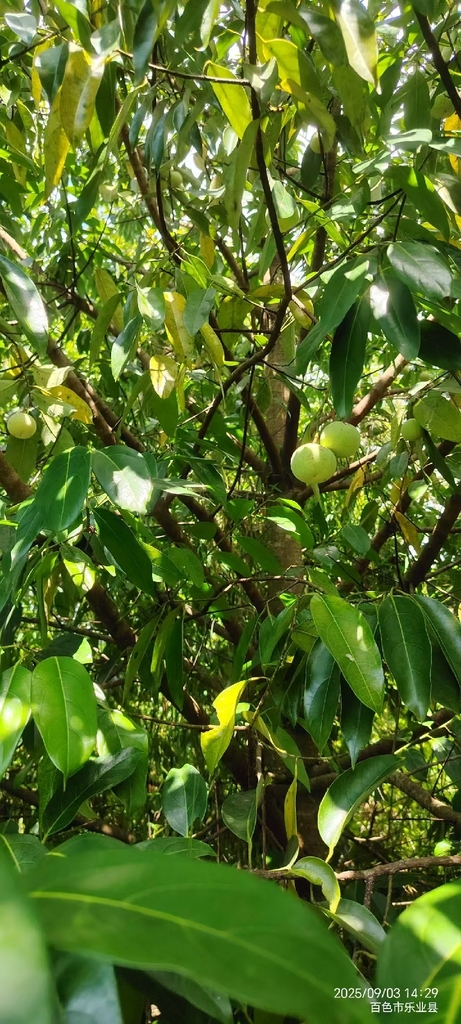
Malania
Malania oleifera is a species of plant in the Olacaceae family, the only species in the genus Malania. It is a medium-sized tree, 10–20 metres (33–66 ft) tall, that is endemic to southern China where it can be found in Western Guangxi and South-Eastern Yunnan provinces. Known as "garlic-fruit tree" or 'suantouguo' (蒜头果) by local communities due to its garlic-shaped fruits, it is threatened by logging and habitat loss. Notable for its substantial phytochemical value, its seed has the highest-known proportion of nervonic acid (C24H46O2, PubChem CID: 5281120). Nervonic acid is an important component in myelin biosynthesis in the central and peripheral nervous system, and has been proposed to enhance human brain function. To aid this research its 1.51 Gigabase genome has been sequenced by researchers in China.
== References ==
1 branches of this genus, most-observed first
See this branch on the Wheel of Life →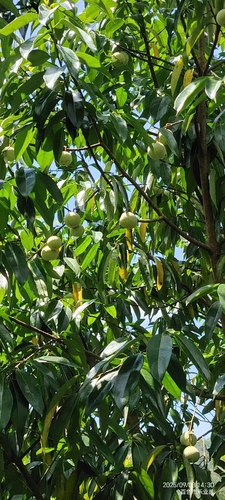
Where it lives
Recorded sightings
—
geo-referenced records in GBIF, from museums, herbaria and field observers.
Drag the globe to turn it. Dots are where records exist, not a range map; darker means more records.
In the stacks
Searching the stacks…
Every page naming Malania in the Biodiversity Heritage Library →
This page is assembled live from iNaturalist, GBIF, Wikipedia, the Source Library and the Internet Archive. It is not yet part of the hand-edited codex. iNaturalist taxon 186023.