- Animals
- ›Arthropods
- ›Hexapods
- ›Insects
- ›Winged and Once-winged Insects
- ›Beetles
- ›Water, Rove, Scarab, Long-horned, Leaf, and Snout Beetles
- ›Cucujiform Beetles
- ›Snout and Bark Beetles
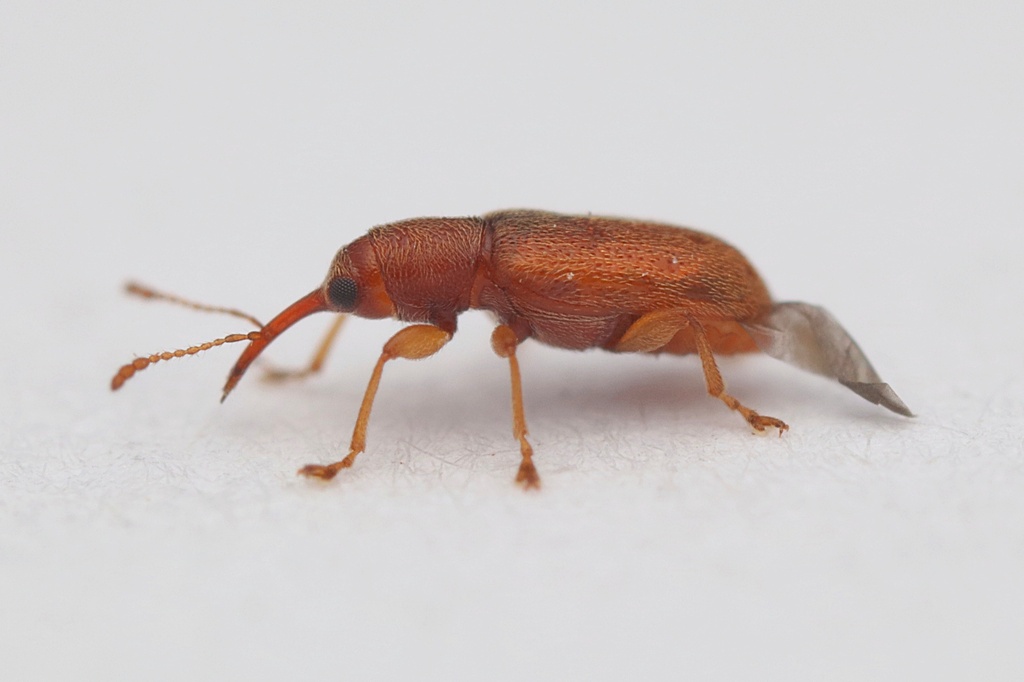
pine flower weevils
Nemonychidae
Nemonychidae is a small family of weevils, placed within the primitive weevil group because they have straight rather than geniculate (elbowed) antennae. They are often called pine flower weevils. As in the Anthribidae, the labrum appears as a separate segment to the clypeus, and the maxillary palps are long and projecting. Nemonychidae have all ventrites free, while Anthribidae have ventrites 1-4 connate or partially fused. Nemonychidae lack lateral carinae on the pronotum, while these are usually present, though may be short, in Anthribidae.
Nemonychidae are historically divided into three subfamilies: Nemonychinae of the Palearctic region with the single genus Nemonyx and an unusual host, the angiosperm Delphinium. Most species of the other two subfamilies are associated with conifers, feeding on the pollen of the male inflorescences. Cimberidinae are found in the Northern hemisphere, while Rhinorhynchinae occur largely in the Southern hemisphere, especially found on Podocarpaceae and Araucariaceae. Recent phylogenetic research indicates that the Cimberidinae are sister to all of the remaining Curculionoidea, and it has been proposed to elevate the group to family rank.
13 branches of this family, most-observed first
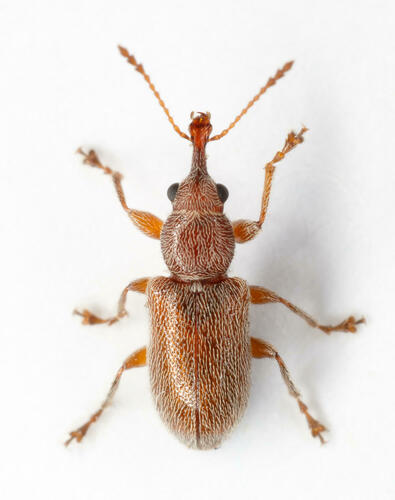
Cimberis
genusCimberis
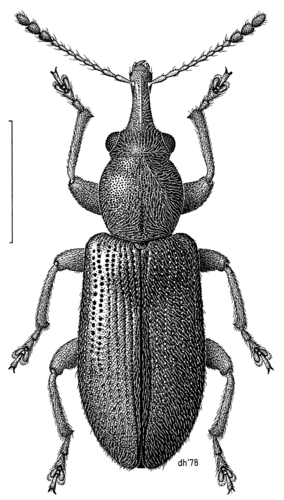
Rhinorhynchinae
subfamilyRhinorhynchinae
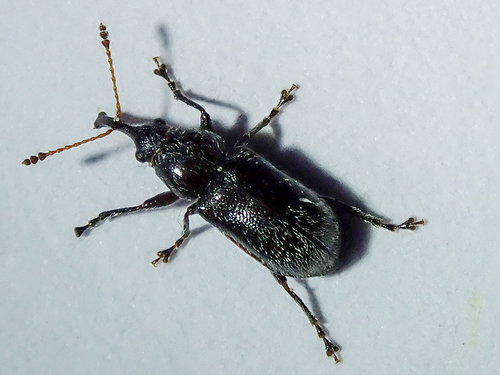
Doydirhynchus
genusDoydirhynchus
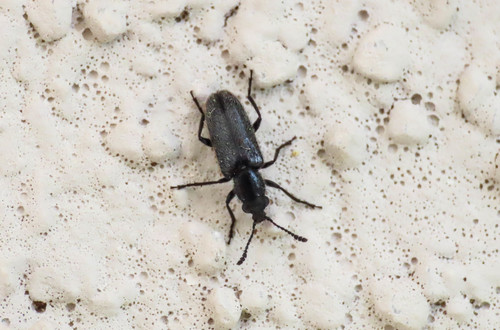
Nemonyx
genusNemonyx
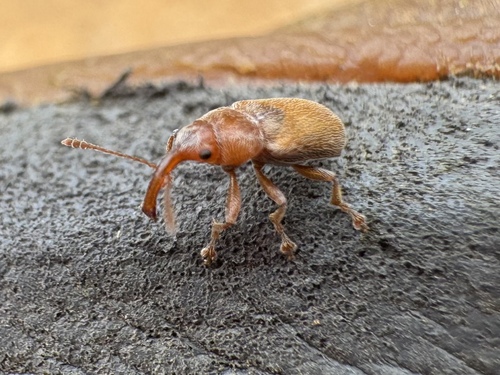
Lecontellus
genusLecontellus
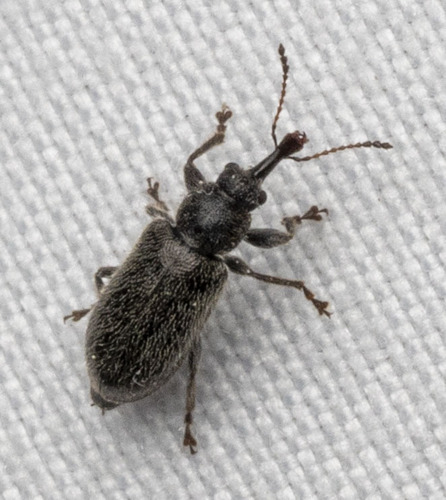
Acromacer
genusAcromacer
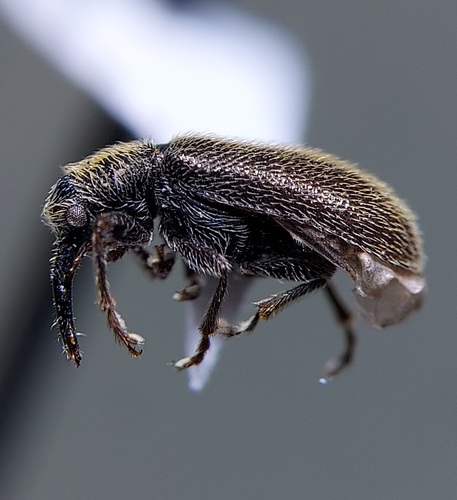
Pityomacer
genusPityomacer
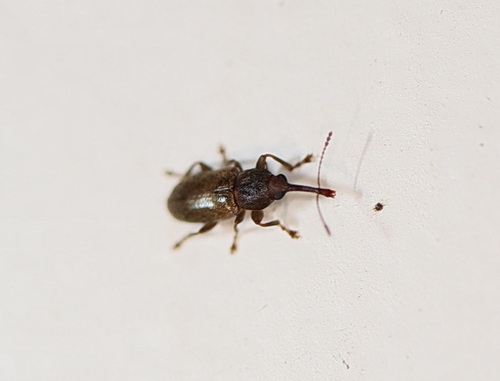
Basiliorhinus
genusBasiliorhinus
Atopomacer
genusAtopomacer
Brarus
genusBrarus
Eobelinae
subfamilyEobelinae
Eccoptarthrinae
subfamilyEccoptarthrinae
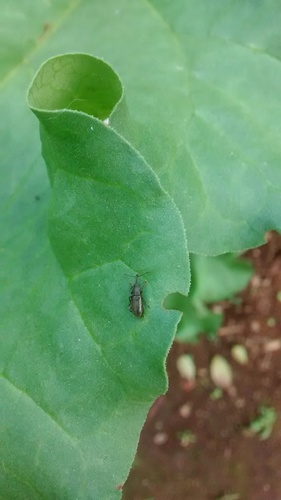
Rhynchitomacer
genusRhynchitomacer
Where it lives
Recorded sightings
—
geo-referenced records in GBIF, from museums, herbaria and field observers.
Drag the globe to turn it. Dots are where records exist, not a range map; darker means more records.
In the stacks
Searching the stacks…
Every page naming Nemonychidae in the Biodiversity Heritage Library →
This page is assembled live from iNaturalist, GBIF, Wikipedia, the Source Library and the Internet Archive. It is not yet part of the hand-edited codex. iNaturalist taxon 174369.