- Plants
- ›Vascular Plants
- ›flowering plants
- ›Dicots
- ›Sunflowers, Bellflowers, Fanflowers, and Allies
- ›Sunflowers, Daisies, Asters, and Allies
- ›Asteroideae
- ›Polymnieae
- ›Polymnia
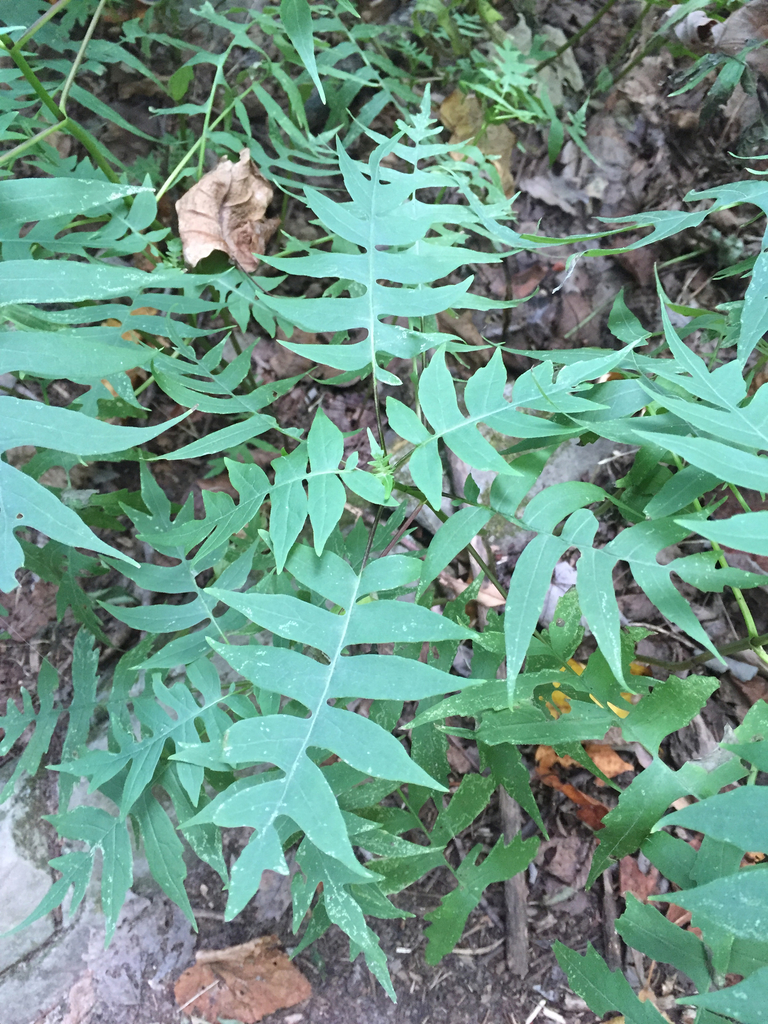
Tennessee leafcup
Polymnia laevigata
Polymnia laevigata, also known as the Tennessee leafcup, is a species of flowering plant in the genus Polymnia, native to North America. The species was first described in 1898 by botanist Chauncey Beadle.
It is a perennial herb that grows upright, with relatively smooth stems compared to other species in the genus. The leaves are broad and usually lobed, and they occur in opposite pairs along the stem. Like other members of the sunflower family, it produces composite flower heads made up of many small florets. Flowering typically takes place during summer.
Where it lives
Recorded sightings
—
geo-referenced records in GBIF, from museums, herbaria and field observers.
Drag the globe to turn it. Dots are where records exist, not a range map; darker means more records.
In the stacks
Searching the stacks…
Every page naming Polymnia laevigata in the Biodiversity Heritage Library →
This page is assembled live from iNaturalist, GBIF, Wikipedia, the Source Library and the Internet Archive. It is not yet part of the hand-edited codex. iNaturalist taxon 167266.