- Plants
- ›Vascular Plants
- ›flowering plants
- ›Dicots
- ›Sunflowers, Bellflowers, Fanflowers, and Allies
- ›Sunflowers, Daisies, Asters, and Allies
- ›Asteroideae
- ›Sunflowers and Allies
- ›Cockleburs, Ragweeds, and Wild Quinines
- ›Parthenium
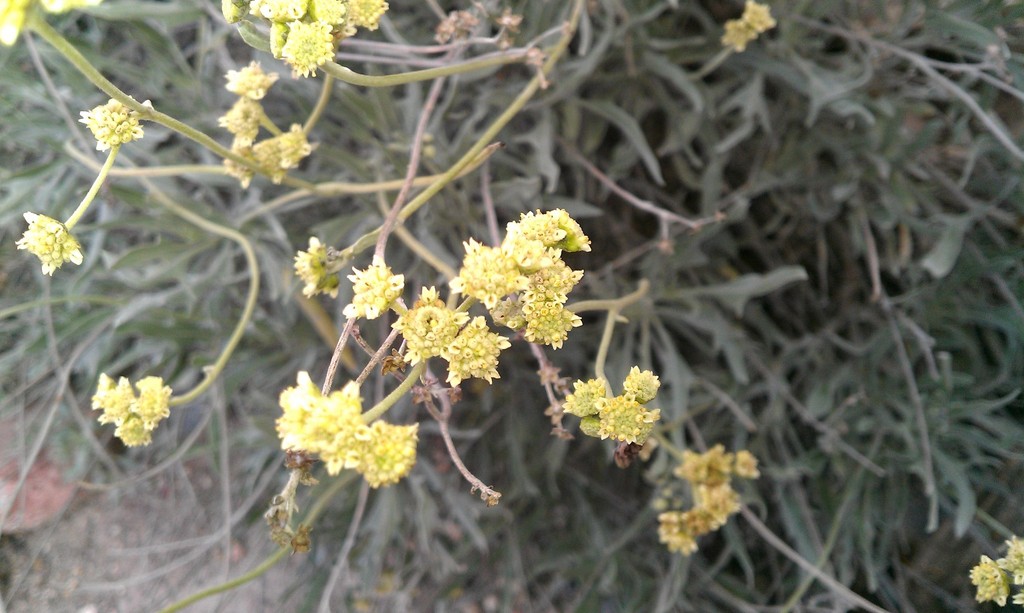
guayule
Parthenium argentatum
Parthenium argentatum, commonly known as the guayule (/ɡwaɪˈuːliː/ or /waɪˈuːleɪ/, as in Spanish), is a flowering shrub in the aster family, Asteraceae, that is native to the southwestern United States and northern Mexico. It was originally discovered by J.M. Bigelow in 1852 and was first described by Asa Gray. It can be found in the US states of New Mexico and Texas and the Mexican states of Zacatecas, Coahuila, Chihuahua, San Luis Potosí, Nuevo León, and
Where it lives
Recorded sightings
—
geo-referenced records in GBIF, from museums, herbaria and field observers.
Drag the globe to turn it. Dots are where records exist, not a range map; darker means more records.
In the stacks
Searching the stacks…
Every page naming Parthenium argentatum in the Biodiversity Heritage Library →
This page is assembled live from iNaturalist, GBIF, Wikipedia, the Source Library and the Internet Archive. It is not yet part of the hand-edited codex. iNaturalist taxon 166156.