
Chrysobalanus
Chrysobalanus is a genus of evergreen perennial shrubs to small trees, described as a genus by Linnaeus in 1753. It is native to sub-tropical and tropical regions of Africa, Latin America, and Florida.
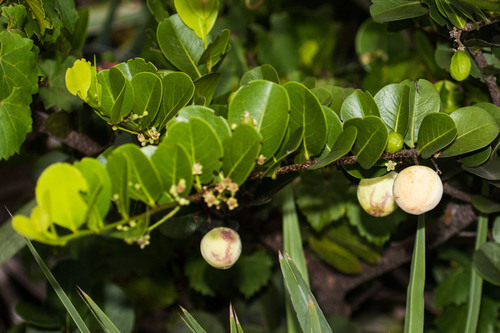
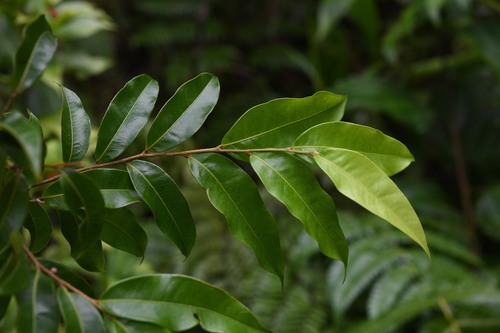
Chrysobalanus attains a maximum height of 25 or 30 feet (8–10 m). It is found in coastal areas as a wild plant, and is frequently planted in gardens. It has a low-growing and sprawling habit. It can form dense stands and become invasive. The leaves are obovate or obcordate in outline, about 2in long, thick, glossy, and deep green in color. It has small white flowers, in axillary racemes or cymes, not too showy, but they have a dainty and sweet fragrance. This plant bears a damson-sized edible red pulpy fruit with a black and thin skin, resembles a large plum in appearance, being oval 1.5in long. The sweet fruits with white flesh adheres closely to the large oblong seed turn from creamy tones to dark-blue peaches which can be made into a sweet preserved jam, made by the earliest arrivals to the low-lying Florida peninsula. The fruit is extensively used in the tropics.
Where it lives
Recorded sightings
—
geo-referenced records in GBIF, from museums, herbaria and field observers.
Drag the globe to turn it. Dots are where records exist, not a range map; darker means more records.
In the stacks
Searching the stacks…
Every page naming Chrysobalanus in the Biodiversity Heritage Library →
This page is assembled live from iNaturalist, GBIF, Wikipedia, the Source Library and the Internet Archive. It is not yet part of the hand-edited codex. iNaturalist taxon 157158.