- Animals
- ›Arthropods
- ›Hexapods
- ›Insects
- ›Winged and Once-winged Insects
- ›Butterflies and Moths
- ›Owlet Moths and Allies
- ›Underwing, Tiger, Tussock, and Allied Moths
- ›Tiger Moths and Allies
- ›Lichen Moths
- ›Nudariina
- ›Cyana
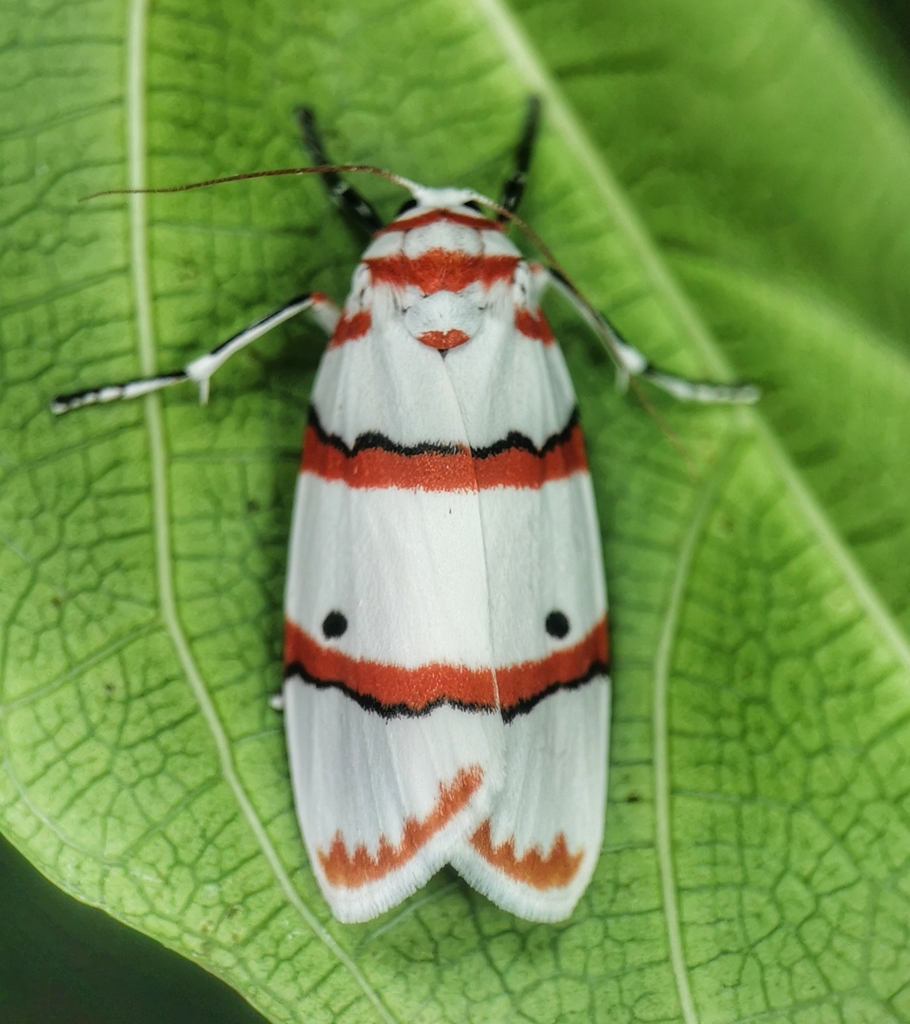
Bizone
The Bizone (.mw-parser-output .IPA-label-small{font-size:85%}.mw-parser-output .references .IPA-label-small,.mw-parser-output .infobox .IPA-label-small,.mw-parser-output .navbox .IPA-label-small{font-size:100%}German: ⓘ) or Bizonia was the combination of the American and the British occupation zones on 1 January 1947 during the occupation of Germany after World War II. With the addition of the French occupation zone on 1 August 1948 the entity became the Trizone (German: ⓘ; sometimes jokingly called Trizonesia (German: Trizonesien, German pronunciation: ⓘ)). Later, on 23 May 1949, the Trizone became the Federal
1 branches of this group, most-observed first
See this branch on the Wheel of Life →
Where it lives
Recorded sightings
—
geo-referenced records in GBIF, from museums, herbaria and field observers.
Drag the globe to turn it. Dots are where records exist, not a range map; darker means more records.
In the stacks
Searching the stacks…
Every page naming Bizone in the Biodiversity Heritage Library →
This page is assembled live from iNaturalist, GBIF, Wikipedia, the Source Library and the Internet Archive. It is not yet part of the hand-edited codex. iNaturalist taxon 1371845.