- Animals
- ›Arthropods
- ›Hexapods
- ›Insects
- ›Winged and Once-winged Insects
- ›Butterflies and Moths
- ›Owlet Moths and Allies
- ›Cutworm Moths and Allies
- ›Cutworms and Dart Moths
- ›Noctuini
- ›Noctuina
- ›Xestia
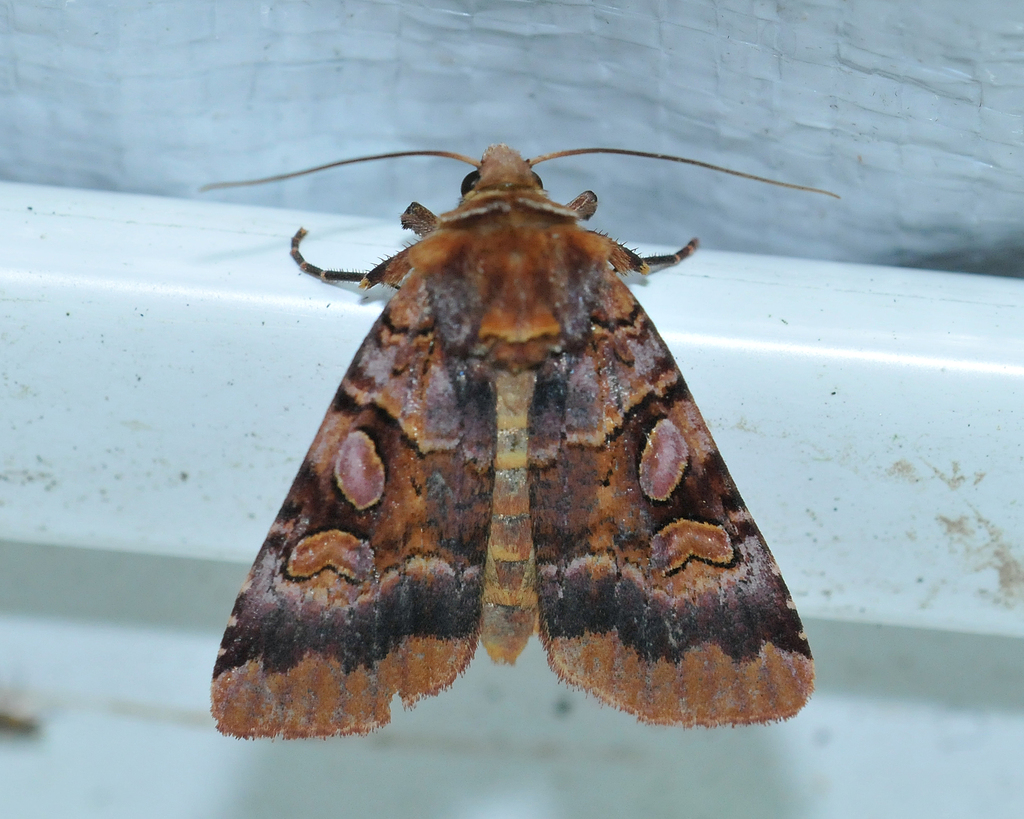
Xestia
Xestia is a genus of noctuid moths (family Noctuidae). They are the type genus of the tribe Xestiini in subfamily Noctuinae, though some authors merge this tribe with the Noctuini. Species in this genus are commonly known as "clays", "darts" or "rustics", but such names are commonplace among Noctuidae. Xestia moths have a wide distribution, though they most prominently occur in the Holarctic.
With almost 200 species included at one time, Xestia was something of a "wastebin genus". But almost half of the traditional species are now placed elsewhere (see below), and some of the remaining ones are liable to be assigned to another genus also. On the other hand, new moths that probably do belong in this genus are still being discovered (e.g. X. hypographa, which led to the 2002 transfer of X. ornata from Eugraphe to here). Thus, unless there are drastic taxonomic changes in the future, Xestia is likely to remain one of the larger noctuine genera.
21 branches of this group, most-observed first

Dotted Clay and Smith's Darts and Allies
sectionXestia baja
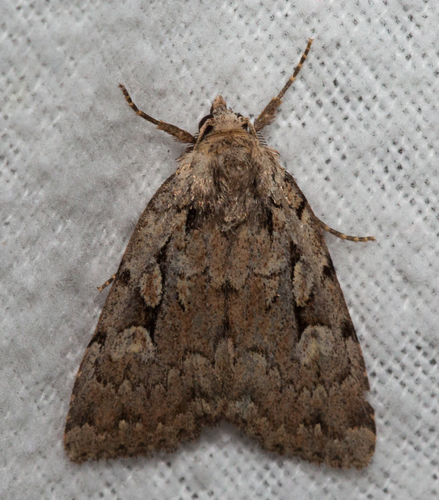
Variable Darts and Allies
sectionXestia elimata
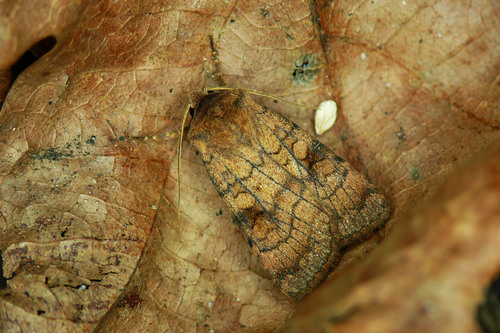
Six-striped Rustic and Allies
sectionXestia sexstrigata

Neglected and Heath Rustics and Allies
sectionXestia castanea
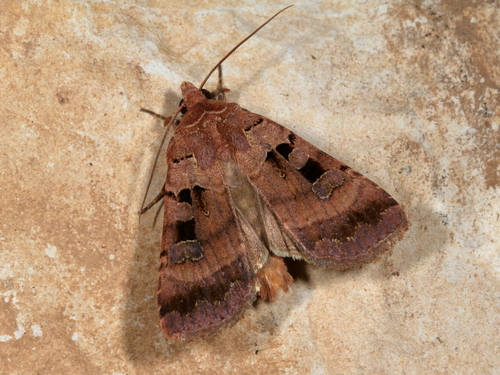
Square-spotted Clay
speciesXestia stigmatica
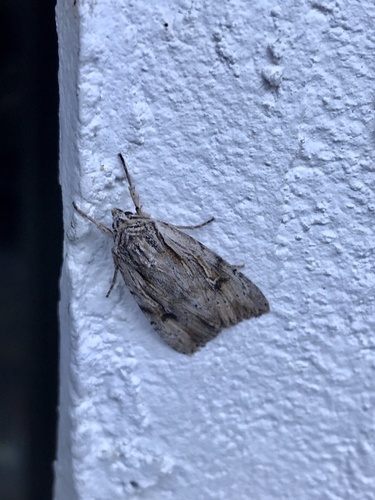
Xestia vernilis
sectionXestia vernilis
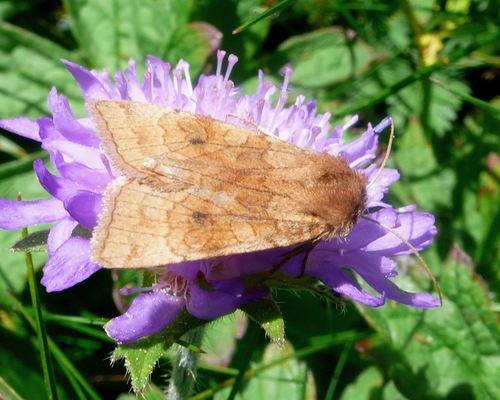
Xestia ochreago
sectionXestia ochreago
Xestia collina
sectionXestia collina
Xestia mustelina
sectionXestia mustelina
Xestia plebeia
sectionXestia plebeia

Xestia undosa
speciesXestia undosa
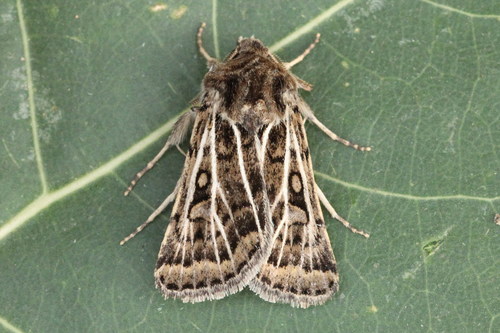
Xestia trifida
sectionXestia trifida
Xestia cinerascens
sectionXestia cinerascens
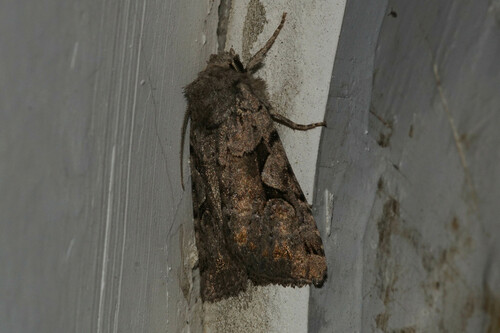
Xestia pulchrisigna
speciesXestia pulchrisigna

Xestia sareptana
speciesXestia sareptana

Xestia perigrapha
speciesXestia perigrapha
Xestia xestioides
speciesXestia xestioides
Xestia daochengi
speciesXestia daochengi
Xestia picata
speciesXestia picata
Xestia songpana
speciesXestia songpana

Xestia tibetica
speciesXestia tibetica
Where it lives
Recorded sightings
—
geo-referenced records in GBIF, from museums, herbaria and field observers.
Drag the globe to turn it. Dots are where records exist, not a range map; darker means more records.
In the stacks
Searching the stacks…
Every page naming Xestia in the Biodiversity Heritage Library →
This page is assembled live from iNaturalist, GBIF, Wikipedia, the Source Library and the Internet Archive. It is not yet part of the hand-edited codex. iNaturalist taxon 1114669.