- Animals
- ›Arthropods
- ›Hexapods
- ›Insects
- ›Winged and Once-winged Insects
- ›True Bugs, Hoppers, Aphids, and allies
- ›True Hoppers
- ›Planthoppers
- ›Fulgoroidea
- ›Issid Planthoppers
- ›Issinae
- ›Sarimini
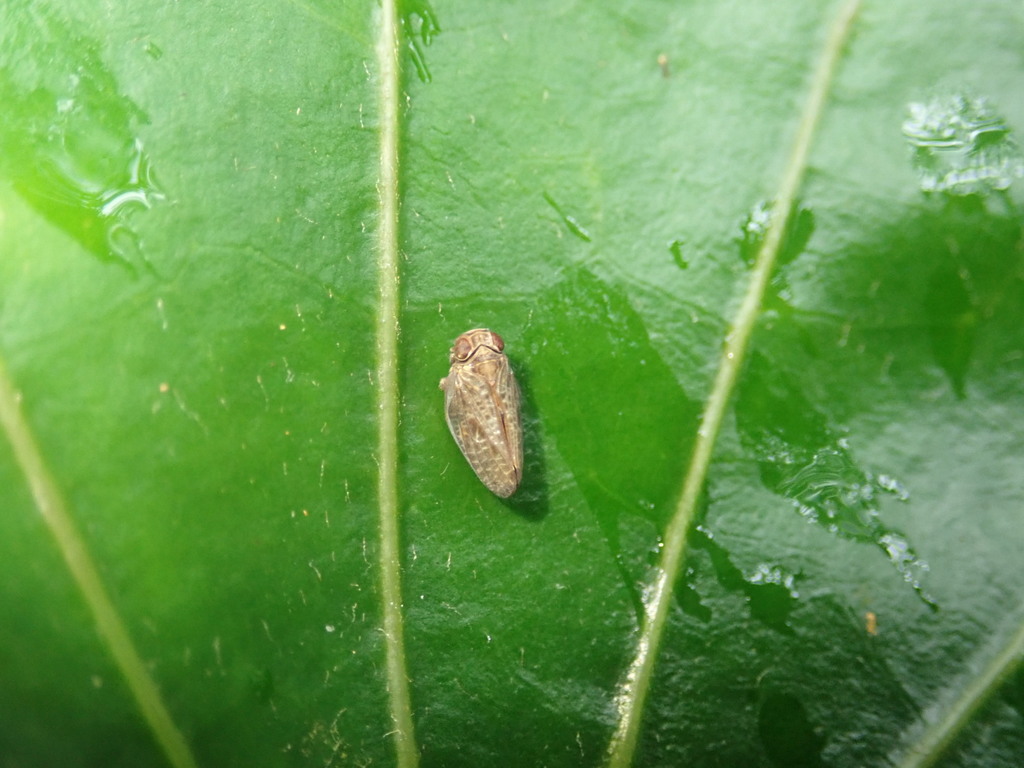
Sarima
In time series analysis used in statistics and econometrics, autoregressive integrated moving average (ARIMA) and seasonal ARIMA (SARIMA) models are generalizations of the autoregressive moving average (ARMA) model to non-stationary series and periodic variation, respectively. All these models are fitted to time series in order to better understand it and predict future values. The purpose of these generalizations is to fit the data as well as possible. Specifically, ARMA assumes that the series is stationary, that is, its expected value is constant in time. If instead the series has a trend (but a constant variance/autocovariance), the trend is removed by "differencing", leaving a stationary series. This operation generalizes ARMA and corresponds to the "integrated" part of ARIMA. Analogously, periodic variation is removed by "seasonal differencing".
14 branches of this genus, most-observed first
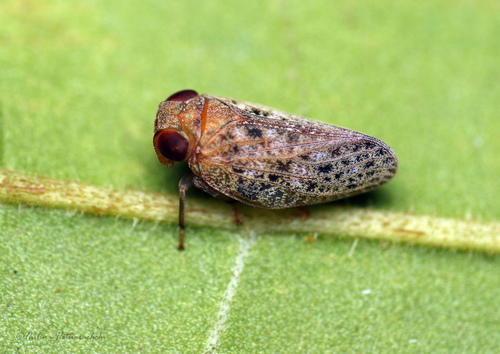
Sarima illibata
speciesSarima illibata
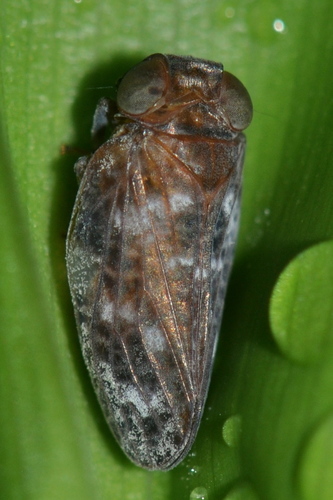
Sarima cretata
speciesSarima cretata
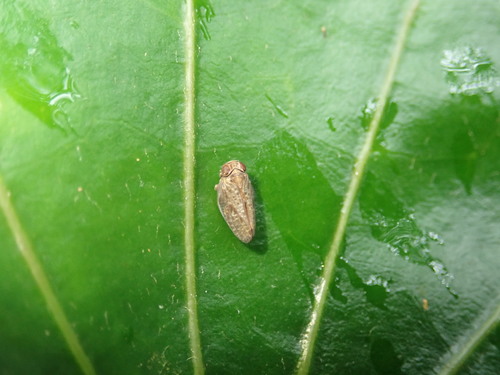
Sarima amagisana
speciesSarima amagisana
Sarima nigrifacies
speciesSarima nigrifacies
Sarima separata
speciesSarima separata
Sarima bifurca
speciesSarima bifurca
Sarima nigroclypeata
speciesSarima nigroclypeata
Sarima novaehollandiae
speciesSarima novaehollandiae
Sarima miyatakei
speciesSarima miyatakei
Sarima elongata
speciesSarima elongata
Sarima clathrata
speciesSarima clathrata
Sarima subfasciata
speciesSarima subfasciata
Sarima castanea
speciesSarima castanea
Sarima palawana
speciesSarima palawana
Where it lives
Recorded sightings
—
geo-referenced records in GBIF, from museums, herbaria and field observers.
Drag the globe to turn it. Dots are where records exist, not a range map; darker means more records.
In the stacks
Searching the stacks…
Every page naming Sarima in the Biodiversity Heritage Library →
This page is assembled live from iNaturalist, GBIF, Wikipedia, the Source Library and the Internet Archive. It is not yet part of the hand-edited codex. iNaturalist taxon 1103539.