- Plants
- ›red algae
- ›true red algae
- ›Florideophycean algae
- ›Rhodymeniophycidae
- ›Ceramiales
- ›Rhodomelaceae
- ›Streblocladieae
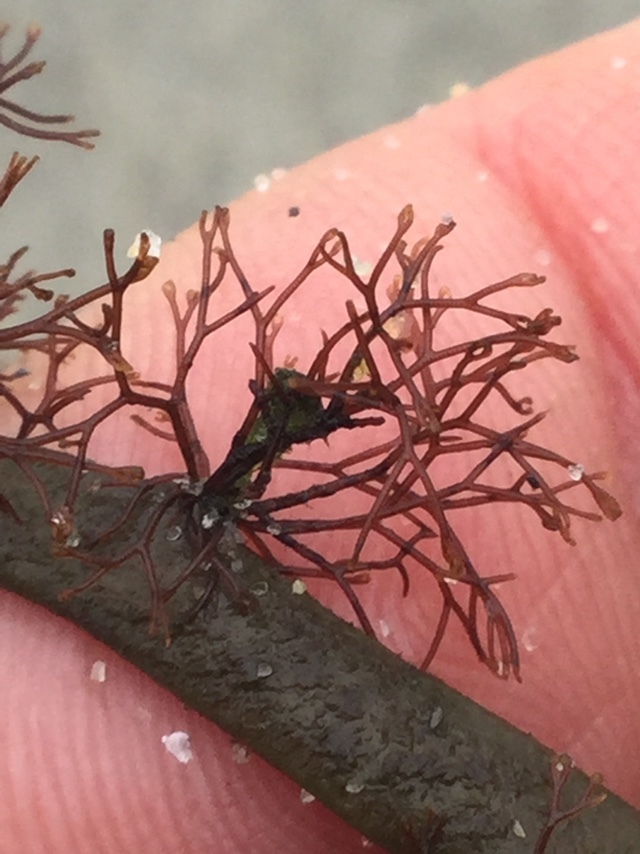
Vertebrata
Vertebrates (), also called craniates, are animals with a vertebral column and a cranium. The vertebral column surrounds and protects the spinal cord, while the cranium protects the brain.
The vertebrates make up the subphylum Vertebrata ( VUR-tə-BRAY-tə) with some 65,000 species, by far the largest ranked grouping in the phylum Chordata. The vertebrates include mammals, birds, amphibians, and various classes of fishes and reptiles. The two major living vertebrate subgroups are the jawless Cyclostomi (including hagfish and lampreys), and the jawed Gnathostomata. The jawed fish include both the cartilaginous fish and the bony fish. Bony fish include the lobe-finned fish, which gave rise to the tetrapods, the animals with four limbs. Despite their success, vertebrates still only make up less than five percent of all described animal species.
26 branches of this genus, most-observed first
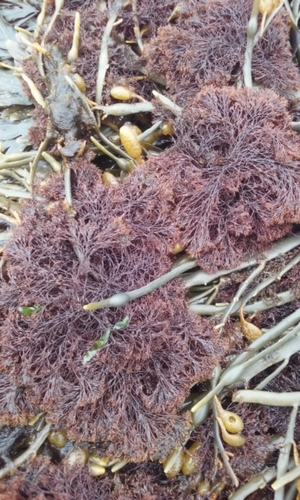
Wrack Siphon Weed
speciesVertebrata lanosa

Vertebrata fucoides
speciesVertebrata fucoides
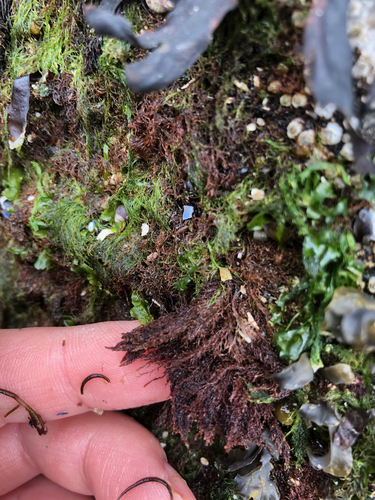
Vertebrata hendryi
speciesVertebrata hendryi

Vertebrata nigra
speciesVertebrata nigra
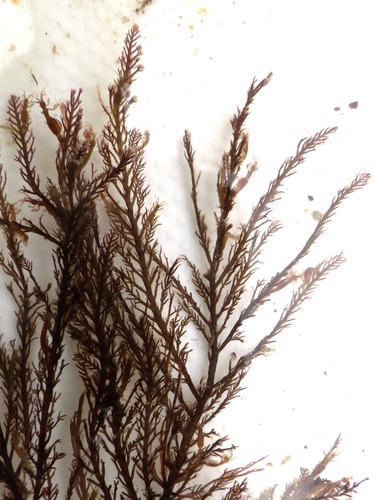
Vertebrata thuyoides
speciesVertebrata thuyoides

Vertebrata fruticulosa
speciesVertebrata fruticulosa

Vertebrata decipiens
speciesVertebrata decipiens

Vertebrata byssoides
speciesVertebrata byssoides

Vertebrata australis
speciesVertebrata australis
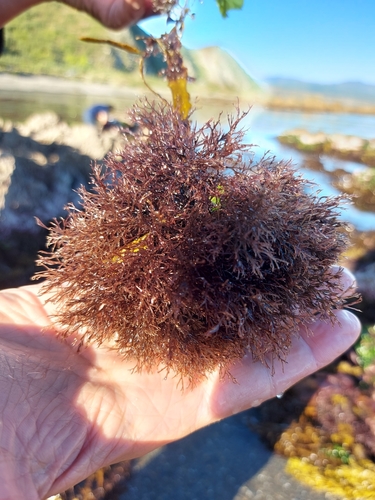
Vertebrata aterrima
speciesVertebrata aterrima

Vertebrata patersonis
speciesVertebrata patersonis
Vertebrata subulifera
speciesVertebrata subulifera
Vertebrata hypnoides
speciesVertebrata hypnoides
Vertebrata reptabunda
speciesVertebrata reptabunda
Vertebrata foetidissima
speciesVertebrata foetidissima
Vertebrata agardhiana
speciesVertebrata agardhiana
Vertebrata aterrimophila
speciesVertebrata aterrimophila
Vertebrata constricta
speciesVertebrata constricta
Vertebrata furcellata
speciesVertebrata furcellata
Vertebrata lobophoralis
speciesVertebrata lobophoralis
Vertebrata simulans
speciesVertebrata simulans
Vertebrata stimpsonii
speciesVertebrata stimpsonii
Vertebrata tripinnata
speciesVertebrata tripinnata
Vertebrata urbana
speciesVertebrata urbana
Vertebrata woodii
speciesVertebrata woodii
Vertebrata isogona
speciesVertebrata isogona
Where it lives
Recorded sightings
—
geo-referenced records in GBIF, from museums, herbaria and field observers.
Drag the globe to turn it. Dots are where records exist, not a range map; darker means more records.
In the stacks
Searching the stacks…
Every page naming Vertebrata in the Biodiversity Heritage Library →
This page is assembled live from iNaturalist, GBIF, Wikipedia, the Source Library and the Internet Archive. It is not yet part of the hand-edited codex. iNaturalist taxon 889013.