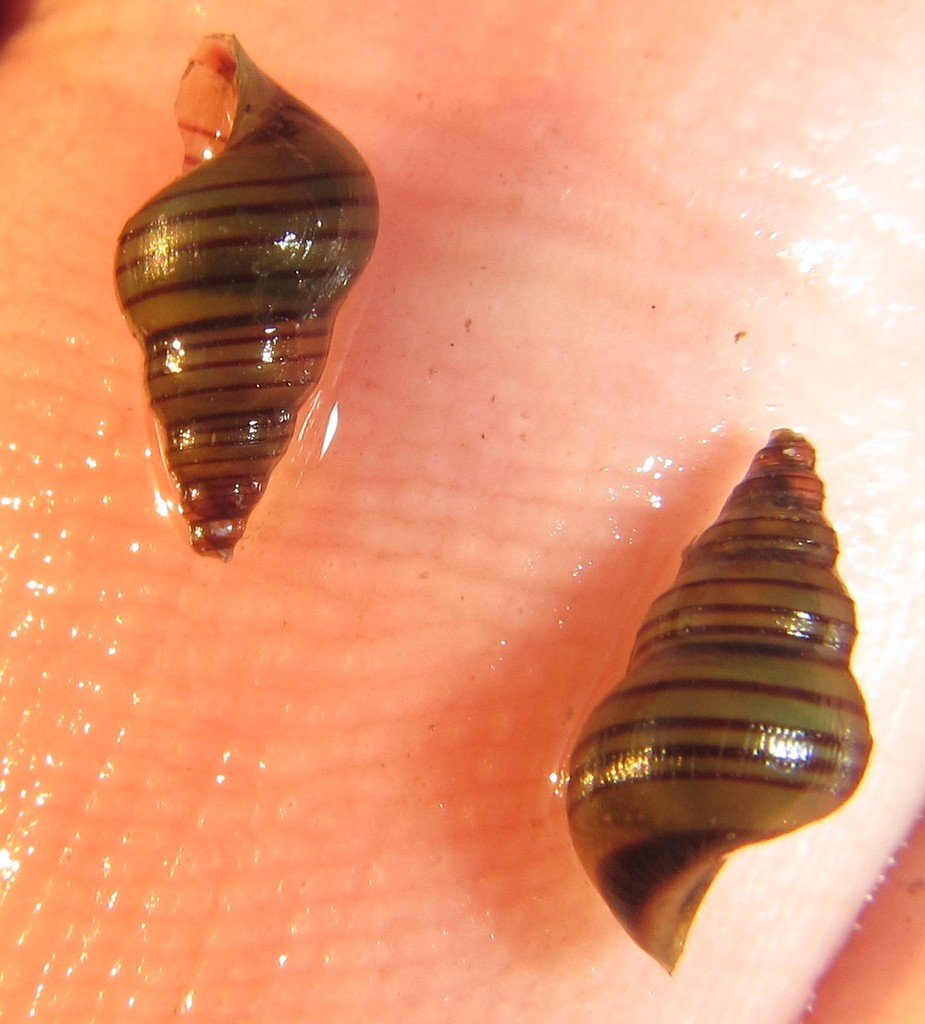
Cleopatra
Cleopatra VII Thea Philopator (Koine Greek: Κλεοπάτρα Θεά Φιλοπάτωρ, lit. 'Cleopatra father-loving goddess'; 70/69 BC – 10 or 12 August 30 BC) was Queen of the Ptolemaic Kingdom of Egypt from 51 to 30 BC, and the last active Hellenistic pharaoh. A member of the Ptolemaic dynasty, she was a descendant of its founder, Ptolemy I Soter, a Macedonian Greek general and companion of Alexander the Great. Cleopatra's first language was Koine Greek, and she is the only Ptolemaic ruler known to have learned the Egyptian language, among several others. After her death, Egypt became a province of the Roman Empire, marking the end of the Hellenistic period, which had begun with the death of Alexander in 323 BC.
Born in Alexandria, Cleopatra was the daughter of Ptolemy XII Auletes, who named her his heir before his death in 51 BC. Cleopatra began her reign alongside her brother Ptolemy XIII, but a falling-out between them led to a civil war. Roman statesman Pompey, their father's former ally, fled to Egypt after losing the 48 BC Battle of Pharsalus against his rival Julius Caesar, the Roman dictator, in Caesar's civil war. Ptolemy XIII had Pompey ambushed and killed before Caesar arrived and occupied Alexandria. Caesar then attempted to reconcile the rival Ptolemaic siblings, but Ptolemy XIII's forces besieged Cleopatra and Caesar at the palace. Shortly after reinforcements lifted the siege, Ptolemy XIII drowned in the Nile. Caesar declared Cleopatra and her brother Ptolemy XIV joint rulers, and maintained a private affair with Cleopatra which produced a son, Caesarion.
21 branches of this genus, most-observed first

Cleopatra elata
speciesCleopatra elata
Banded Melania
speciesCleopatra ferruginea
Cleopatra nsendweensis
speciesCleopatra nsendweensis
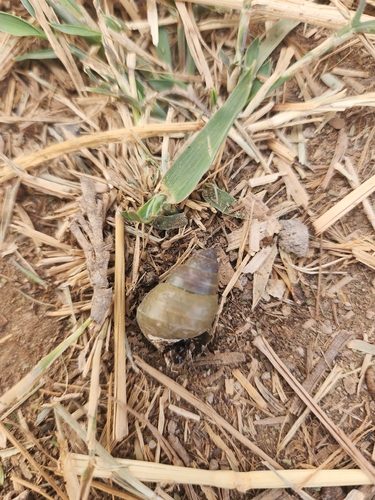
Cleopatra bulimoides
speciesCleopatra bulimoides
Cleopatra africana
speciesCleopatra africana
Cleopatra athiensis
speciesCleopatra athiensis
Cleopatra cridlandi
speciesCleopatra cridlandi
Cleopatra exarata
speciesCleopatra exarata
Cleopatra grandidieri
speciesCleopatra grandidieri
Cleopatra guillemei
speciesCleopatra guillemei
Cleopatra hemmingi
speciesCleopatra hemmingi
Cleopatra johnstoni
speciesCleopatra johnstoni
Cleopatra langi
speciesCleopatra langi
Cleopatra mweruensis
speciesCleopatra mweruensis
Cleopatra obscura
speciesCleopatra obscura
Cleopatra pilula
speciesCleopatra pilula
Cleopatra rugosa
speciesCleopatra rugosa
Cleopatra smithi
speciesCleopatra smithi
Cleopatra lesnei
speciesCleopatra lesnei
Cleopatra colbeaui
speciesCleopatra colbeaui
Cleopatra madagascariensis
speciesCleopatra madagascariensis
Where it lives
Recorded sightings
—
geo-referenced records in GBIF, from museums, herbaria and field observers.
Drag the globe to turn it. Dots are where records exist, not a range map; darker means more records.
In the stacks
Searching the stacks…
Every page naming Cleopatra in the Biodiversity Heritage Library →
This page is assembled live from iNaturalist, GBIF, Wikipedia, the Source Library and the Internet Archive. It is not yet part of the hand-edited codex. iNaturalist taxon 87520.