- Animals
- ›Echinoderms
- ›sea urchins and sea cucumbers
- ›Sea Cucumbers
- ›Actinopoda
- ›Filtering sea cucumbers
- ›Cucumariidae
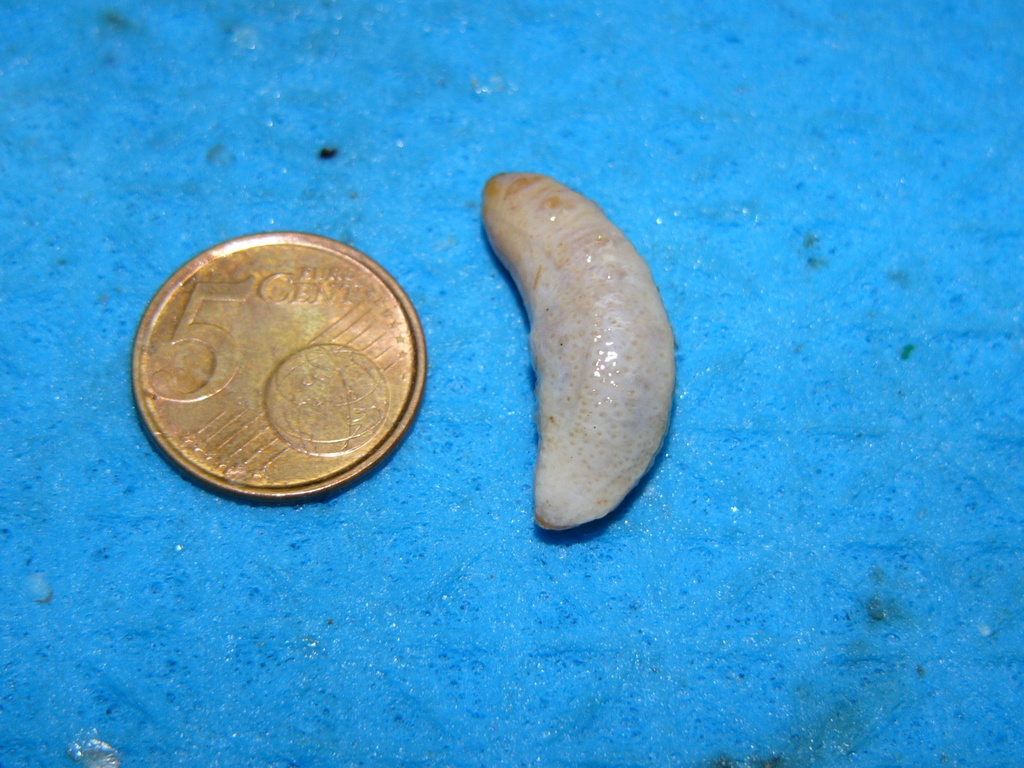
Stereoderma
Olea ( OH-lee-ə) is a genus of flowering plants in the family Oleaceae. It includes 11 species accepted by Plants of the World Online native to warm temperate and tropical regions of the Middle East, southern Europe, Africa, southern Asia, and Australasia. They are evergreen trees and shrubs, with small, opposite, entire leaves. The fruit is a drupe. Leaves of Olea contain trichosclereids.
For humans, the most important and familiar species is by far the olive (Olea europaea), native to the Mediterranean region, Africa, southwest Asia, and the Himalayas, which is the type species of the genus. The native olive (O. paniculata) is a larger tree, attaining a height of 15–18 m in the forests of Queensland, and yielding a hard and tough timber. The yet harder wood of the black ironwood O. capensis, an inhabitant of Natal, is important in South Africa.
7 branches of this genus, most-observed first
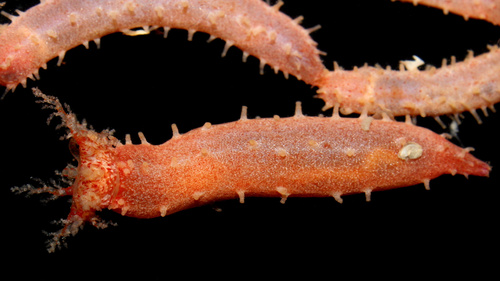
Stereoderma kirchsbergii
speciesStereoderma kirchsbergii
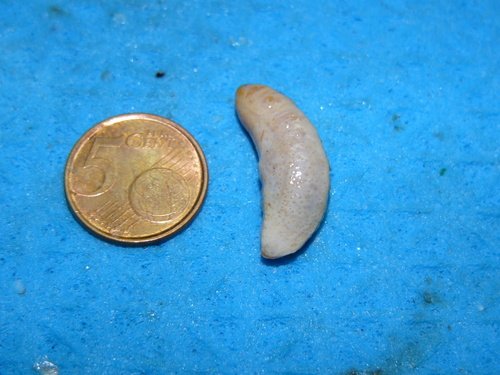
Stereoderma unisemita
speciesStereoderma unisemita
Stereoderma imbricata
speciesStereoderma imbricata
Stereoderma colochiriformis
speciesStereoderma colochiriformis
Stereoderma incerta
speciesStereoderma incerta
Stereoderma congoana
speciesStereoderma congoana
Stereoderma perexigua
speciesStereoderma perexigua
Where it lives
Recorded sightings
—
geo-referenced records in GBIF, from museums, herbaria and field observers.
Drag the globe to turn it. Dots are where records exist, not a range map; darker means more records.
In the stacks
Searching the stacks…
Every page naming Stereoderma in the Biodiversity Heritage Library →
This page is assembled live from iNaturalist, GBIF, Wikipedia, the Source Library and the Internet Archive. It is not yet part of the hand-edited codex. iNaturalist taxon 872016.