Mud Snakes
Homalopsidae
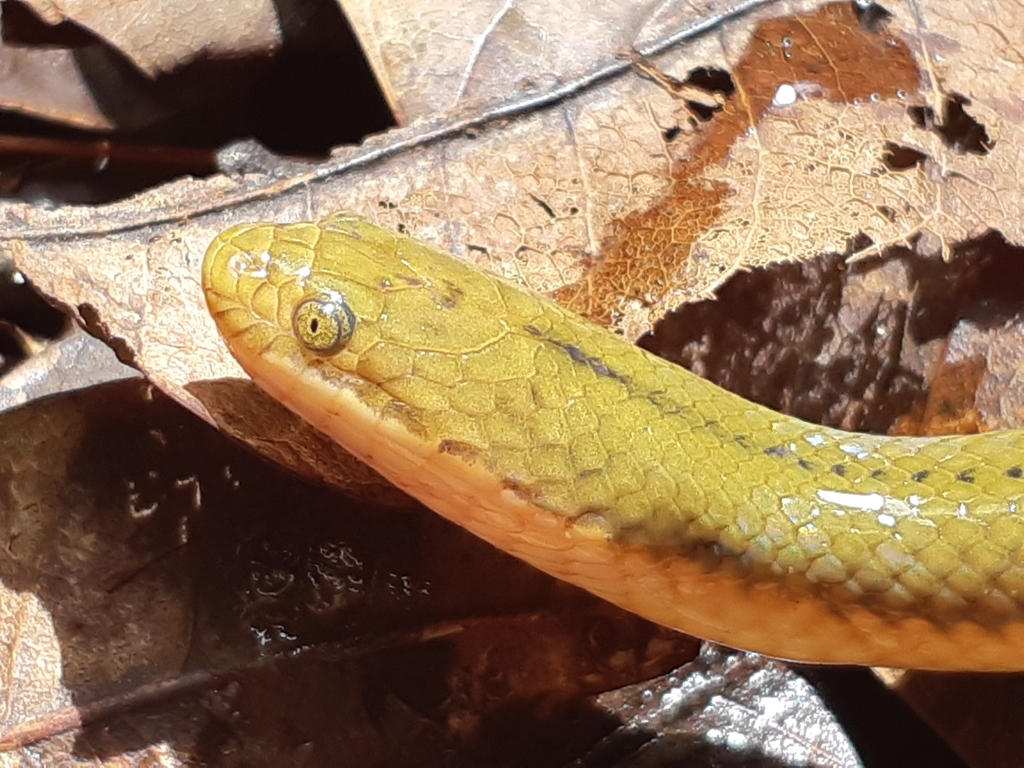
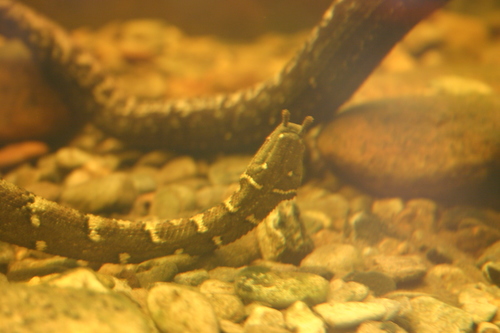
The Homalopsidae are a family of snakes which contains about 30 genera and more than 50 species. They are commonly known as Indo-Australian water snakes, mudsnakes, or bockadams. They are also known as ular air (lit. "water snake") in Indonesian. They are typically stout-bodied water snakes, and all are mildly venomous. Two monotypic genera are notable for their unusual morphology: Erpeton possesses a pair of short, fleshy appendages protruding from the front of the snout, and Bitia has uniquely enlarged palatine teeth. Cerberus species have been noted to use sidewinding to cross slick mud flats during low tide. Fordonia and Gerarda are the only snakes known to tear their prey apart before eating it, pulling soft-shelled crabs through their coils to rip them apart prior to ingestion.
29 branches of this family, most-observed first · about 61 known species

Bockadams
genusCerberus

Hypsiscopus
genusHypsiscopus

Homalopsis
genusHomalopsis

Asian Mud Snakes
genusEnhydris
Myrrophis
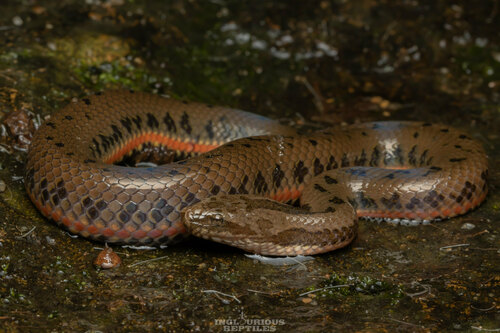
genusMyrrophis
Fordonia
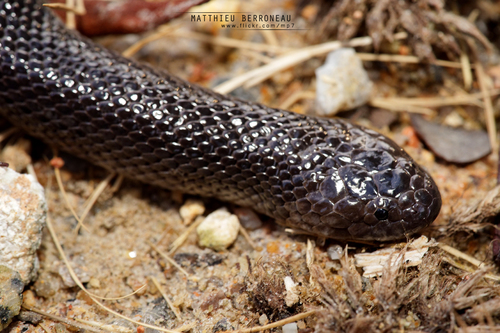
genusFordonia
Erpeton
genusErpeton
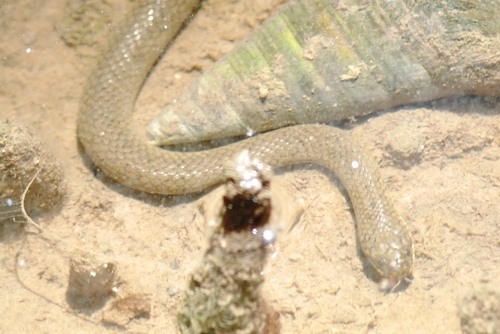
Gerarda
genusGerarda

Macleay's Water Snakes
genusPseudoferania

Phytolopsis
genusPhytolopsis
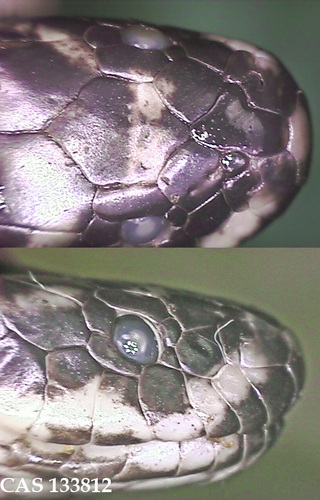
Cantoria
genusCantoria
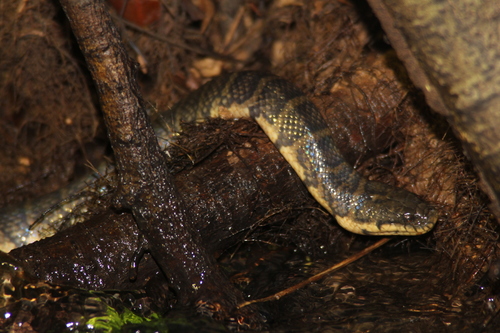
Subsessor
genusSubsessor

Dieurostus
genusDieurostus

Myron
genusMyron

Ferania
genusFerania

Miralia
genusMiralia

Homalophis
genusHomalophis

Brachyorrhos
genusBrachyorrhos
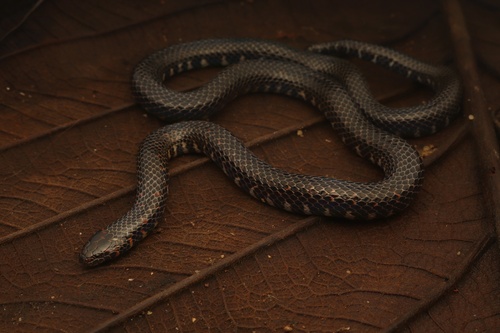
Raclitia
genusRaclitia
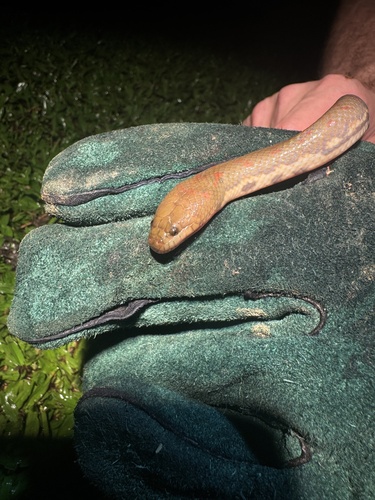
Sumatranus
genusSumatranus
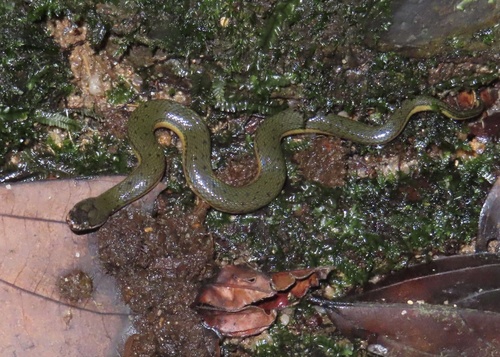
Kualatahan
genusKualatahan

Gyiophis
genusGyiophis
Djokoiskandarus
genusDjokoiskandarus
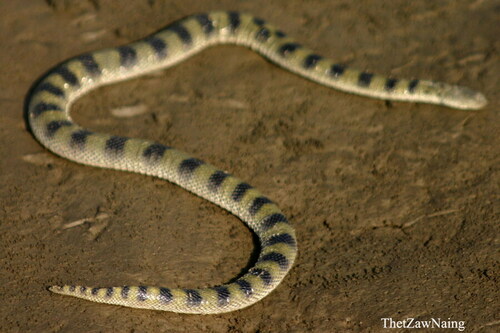
Bitia
genusBitia
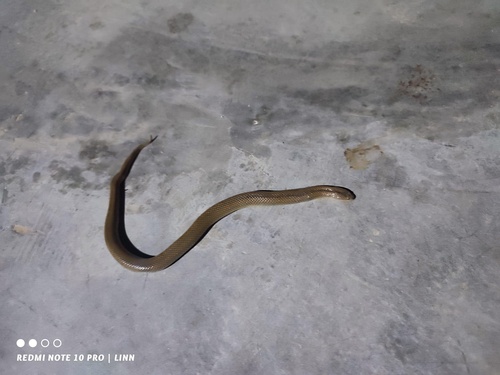
Myanophis
genusMyanophis
Calamophis
genusCalamophis
Mintonophis
genusMintonophis
Heurnia
genusHeurnia
Karnsophis
genusKarnsophis
Where it lives
Recorded sightings
—
geo-referenced records in GBIF, from museums, herbaria and field observers.
Drag the globe to turn it. Dots are where records exist, not a range map; darker means more records.
In the stacks
Searching the stacks…
Every page naming Homalopsidae in the Biodiversity Heritage Library →
This page is assembled live from iNaturalist, GBIF, Wikipedia, the Source Library and the Internet Archive. It is not yet part of the hand-edited codex. iNaturalist taxon 85829.