- Animals
- ›Chordates
- ›Vertebrates
- ›Mammals
- ›Therians
- ›Placental Mammals
- ›Ungulates, Carnivorans, and Allies
- ›Carnivorans
- ›Mongooses
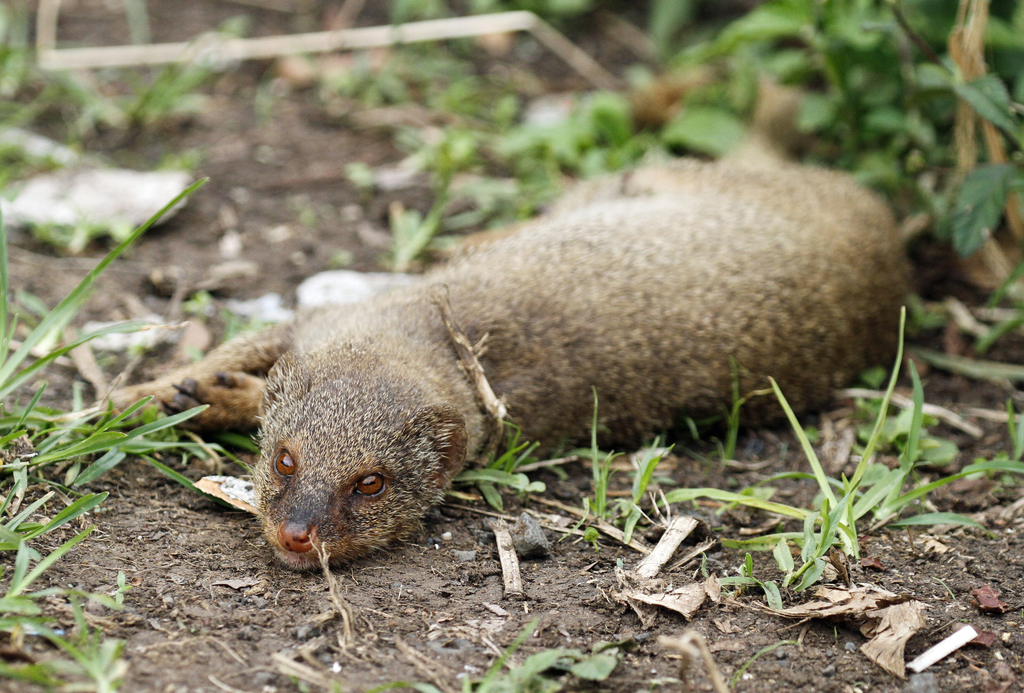
Solitary Mongooses
Herpestinae
A mongoose is a small terrestrial carnivorous mammal belonging to the family Herpestidae. This family has two subfamilies, the Herpestinae and the Mungotinae. The Herpestinae comprises 23 living species that are native to southern Europe, Africa and Asia, whereas the Mungotinae comprises 11 species native to Africa. The Herpestidae originated about 21.8 ± 3.6 million years ago in the Early Miocene and genetically diverged into two main lineages between 19.1 and 18.5 ± 3.5 million years ago. There is a large introduced population on the islands of Hawaii. Mongoose diets are varied but consist of mainly insects, rodents, reptiles and birds.
9 branches of this subfamily, most-observed first · about 24 known species
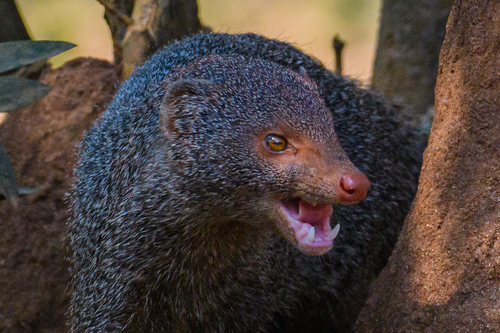
Asian Mongooses
genusUrva

Slender Mongooses
genusHerpestes
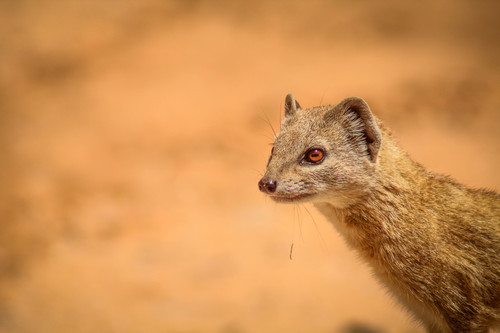
Yellow Mongooses
genusCynictis
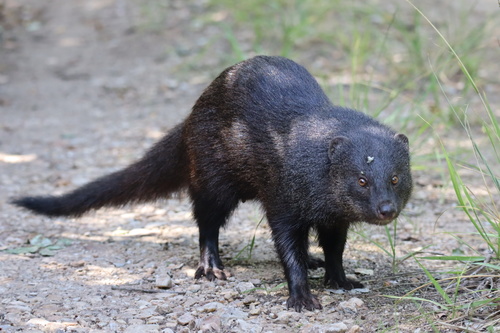
Marsh Mongooses
genusAtilax
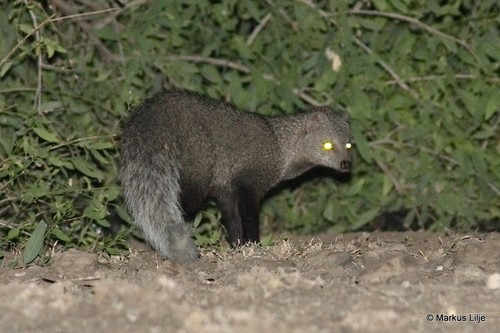
White-tailed Mongooses
genusIchneumia
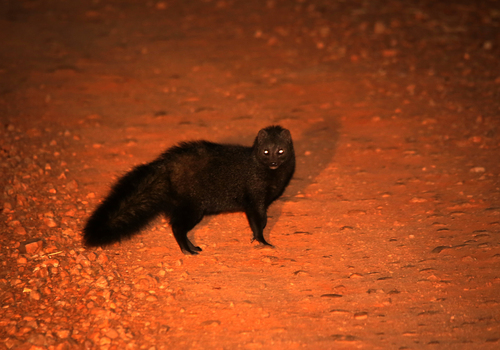
Bushy-tailed Mongooses
genusBdeogale

Meller’s Mongoose
genusRhynchogale
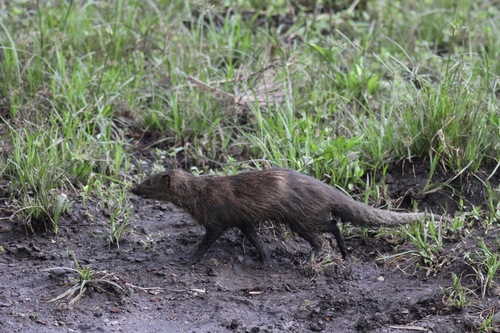
Long-nosed Mongooses
genusXenogale

Selous' Mongooses
genusParacynictis
Where it lives
Recorded sightings
—
geo-referenced records in GBIF, from museums, herbaria and field observers.
Drag the globe to turn it. Dots are where records exist, not a range map; darker means more records.
In the stacks
Searching the stacks…
Every page naming Herpestinae in the Biodiversity Heritage Library →
This page is assembled live from iNaturalist, GBIF, Wikipedia, the Source Library and the Internet Archive. It is not yet part of the hand-edited codex. iNaturalist taxon 846196.