
Ostracods
Ostracoda
Ostracods, or ostracodes, are a class of the Crustacea (class Ostracoda), sometimes known as seed shrimp. Some 33,000 species (only 13,000 of which are extant) have been identified, grouped into 7 valid orders. They are small crustaceans, typically around 1 mm (0.04 in) in size, but varying from 0.2 to 32 mm (0.0079 to 1.3 in), the latter in the case of the marine Gigantocypris. The largest known freshwater species is Megalocypris princeps, which reach 8 mm in length. In most cases, their bodies are flattened from side to side and protected by a bivalve-like valve or "shell" made of chitin, and often calcium carbonate. The family Entocytheridae and many planktonic forms do not have calcium carbonate. The hinge of the two valves is in the upper (dorsal) region of the body. Ostracods are grouped together based on shell and soft part morphology, and molecular studies have not unequivocally supported the group's monophyly. They have a wide range of diets, and the class includes carnivores, herbivores, scavengers and filter feeders, but most ostracods are deposit feeders.
5 branches of this class, most-observed first

Podocopa
subclassPodocopa

Myodocopa
subclassMyodocopa
Cryptophyllus
genusCryptophyllus
Hesperidella
genusHesperidella
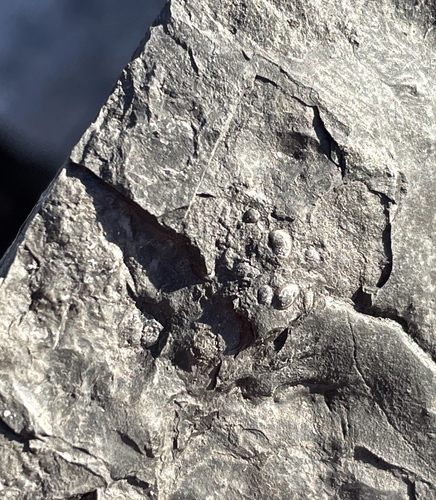
Palaeocopa
subclassPalaeocopa
Where it lives
Recorded sightings
—
geo-referenced records in GBIF, from museums, herbaria and field observers.
Drag the globe to turn it. Dots are where records exist, not a range map; darker means more records.
In the stacks
Searching the stacks…
Every page naming Ostracoda in the Biodiversity Heritage Library →
This page is assembled live from iNaturalist, GBIF, Wikipedia, the Source Library and the Internet Archive. It is not yet part of the hand-edited codex. iNaturalist taxon 68764.