- Fungi Including Lichens
- ›Ascomycete Fungi
- ›Sac Fungi and Lichens
- ›Dothideomycetes
- ›Botryosphaeriales
- ›Botryosphaeriaceae
- ›Neofusicoccum
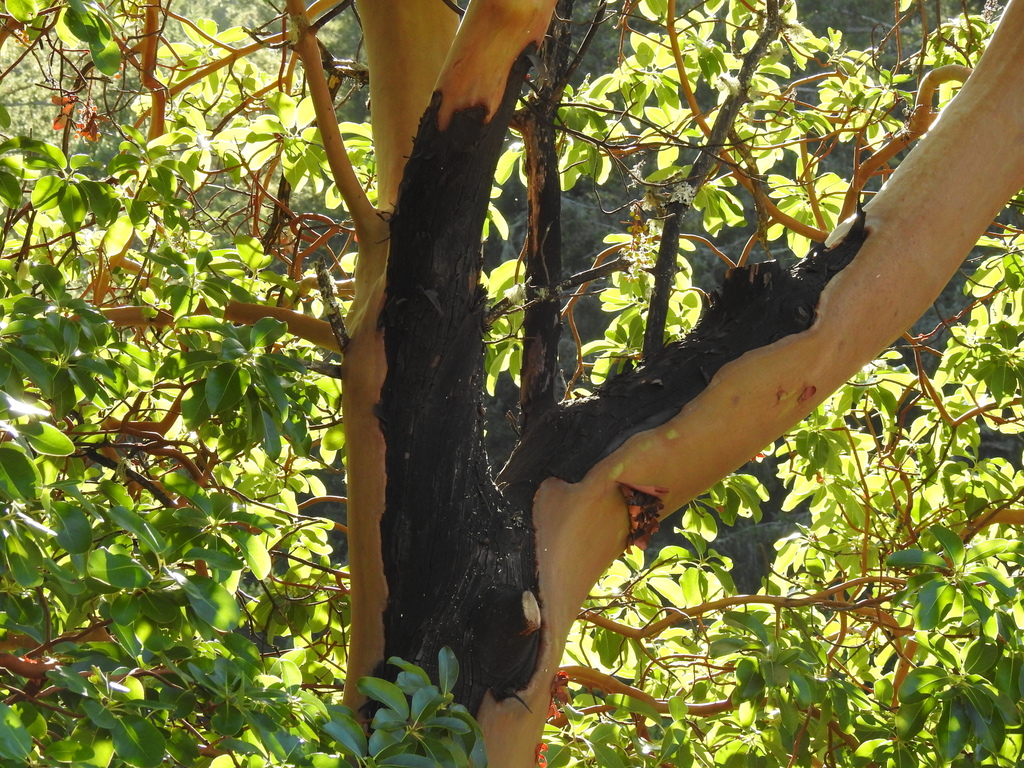
Neofusicoccum mangiferae
Neoscytalidium dimidiatum was first described in 1933 as Hendersonula toruloidea from diseased orchard trees in Egypt. Decades later, it was determined to be a causative agent of human dermatomycosis-like infections and foot infections predominantly in tropical areas; however the fungus is considered to be widespread. A newer name, Scytalidium dimidiatum, was applied to a synanamorph of Nattrassia mangiferae, otherwise known as Neofusicoccum mangiferae. Substantial confusion has arisen in the literature on this fungus resulting from the use of multiple different names including Torula dimidiata, Fusicoccum dimidiatum, Scytalidium dimidiatum, and Hendersonula toruloidea. Additionally, Scytalidium lignicola and Scytalidium lignicolum are often considered earlier names of N. dimidiatum.
From the article Neoscytalidium dimidiatum on Wikipedia (CC BY-SA), quoted section by section
Range & habitat
Neoscytalidium dimidiatum is mainly found in tropical to subtropical environments, such as in South America, Southeast Asia, India and Africa. In addition to these regions, this fungus is endemic to parts of west and central Africa, the Caribbean and Asian, but more cases are being seen in temperate countries, possibly as a consequence of immigration from tropical regions. The fungus occurs in nature in soil and on decaying wood.
Human infection. Neoscytalidium dimidiatum has been described as an agent to cause infections referred to as dermatomycosis, onychomycosis, ringworm or tinea, affecting human nails, toe webs and feet, and skin, forming hyphomycete, and also sometimes infecting the palms of hands but this is a rare occurrence. To cause these infections in humans, infections occurs through contact with contaminated soil or plant materials, or nail or skin tissue from an infected person, causing superficial skin infections similar to dermatophytosis called Scytalidiosis. Although established to cause dermatomycosis and onychomycosis, invasive infection by N. dimidiatum is rare, resulting in limited case reports and limited information available for clinical progression and treatment. as well as there is no currently know oral or topical treatment for infection with this fungus. These result in the invasion of tissue and organs causing systemic diseases. …
Wikipedia: “Habitat and ecology”
In human culture
In 1933, British mycologist Dr. Rolland Marshall Nattrass described an arthroconidial asexual fungus that he named H. toruloidea that was responsible for causing die-back disease of plum, apricot and apple trees in Egypt. At the time, he recognized that single spore cultures of the fungus yielded two "forms" in culture – a mycelial form resembling members of the genus Torula that produced fragmenting chains of arthroconidia, and a pycnidial form characterized by the production of greenish, ellipsoidal spores that oozed from tiny sacs. The name H. toruloidea applied to the latter pycnidial form. Others likened the Torula form to Torula dimidiata described by Otto Penzig in 1882. Despite that the fungus was known by this name for over 50 years by one or the other of these names, increased scrutiny of the species and its close relatives using molecular genetic methods spawned significant controversy in its taxonomy and naming. In 1989 Sutton and Dyko created the genus Nattrassia to accommodate H. toruloidea and applied the name Scytalidium dimidiatum to the mycelial synanamorph. They also included in the new genus Nattrassia a fungus described by father-son mycologists Paul and Hans Sydow as Dothiorella mangiferae, which became Nattrassia mangiferae, thought to be very closely related to and perhaps indistinguishable from Nattrass's original pycnidial form. …
Wikipedia: “History and taxonomy”
Where it lives
Recorded sightings
—
geo-referenced records in GBIF, from museums, herbaria and field observers.
Drag the globe to turn it. Dots are where records exist, not a range map; darker means more records.
In the stacks
Searching the stacks…
Every page naming Neofusicoccum mangiferae in the Biodiversity Heritage Library →
This page is assembled live from iNaturalist, GBIF, Wikipedia, the Source Library and the Internet Archive. It is not yet part of the hand-edited codex. iNaturalist taxon 606974.