- Animals
- ›Arthropods
- ›Crustaceans
- ›Typical Crustaceans
- ›Malacostracans
- ›Decapods, Isopods, and allies
- ›Decapods and Krill
- ›Decapods
- ›Crabs, Lobsters, Shrimps, and Allies
- ›True Crabs
- ›Eubrachyuran Crabs
- ›Heterotrematan Crabs
- ›Eriphioidea
- ›Oziidae

Lydia
Lydia (Ancient Greek: Λυδία, romanized: Ludía; Latin: Lȳdia) was a powerful Iron Age civilization prominent in western Anatolia in the 8th to 6th centuries BCE. Its capital and only city was Sardis. They are known in part for the world's first coinage, and rapid expansion based on their immense wealth in gold. They established cultural, economic, military, and diplomatic relations with the Greeks to their west, and the Assyrians, Babylonians, Egyptians, Phrygians, and others to the east and south.
The Lydian civilization had their own Indo-European language and an independent religious system. Their capital, Sardis, is known for its layout and architectural design; its terracing method influenced the planning of other multi-level cities. The ancient burial mounds at Bin Tepe are among the largest on Earth.
2 branches of this genus, most-observed first
See this branch on the Wheel of Life →
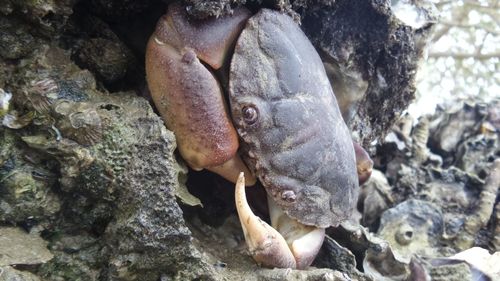
Where it lives
Recorded sightings
—
geo-referenced records in GBIF, from museums, herbaria and field observers.
Drag the globe to turn it. Dots are where records exist, not a range map; darker means more records.
In the stacks
Searching the stacks…
Every page naming Lydia in the Biodiversity Heritage Library →
This page is assembled live from iNaturalist, GBIF, Wikipedia, the Source Library and the Internet Archive. It is not yet part of the hand-edited codex. iNaturalist taxon 524311.