- Animals
- ›Chordates
- ›Vertebrates
- ›Ray-finned Fishes
- ›Carps, Characins, Catfishes and Allies
- ›Characins
- ›Characoidei
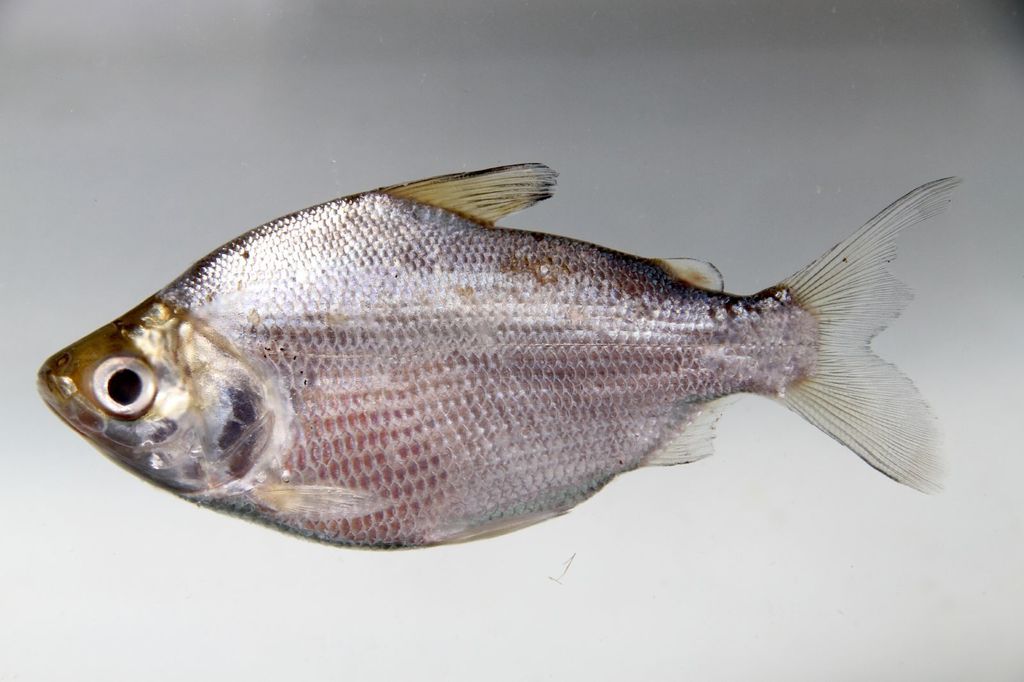
Toothless Characins
Curimatidae
The Curimatidae, toothless characins, are a family of freshwater fishes, of the order Characiformes. They originate from southern Costa Rica to northern Argentina. The family has around 105 species, many of them frequently exploited for human consumption. They are closely related to the Prochilodontidae.
This family lacks jaw teeth, although they do sometimes have small teeth on their pharyngeal plates. They eat films of slime coating underwater surfaces, which consist largely of algae, zooplankton and detritus. It has been suggested that some species like Psectrogaster essequibensis may change their diet in correlation with the sediment content of the water, showing a diet mainly based on algae in waters with high sediment load, and an omnivorous or detritivorous diet in waters with low sediment load.
8 branches of this family, most-observed first · about 121 known species
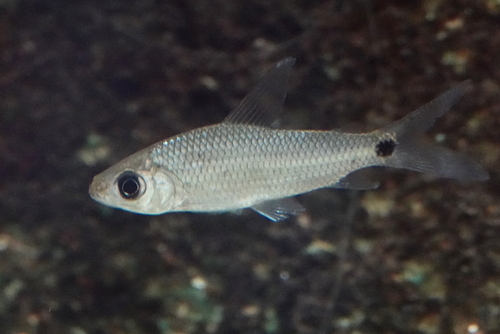
Cyphocharax
genusCyphocharax
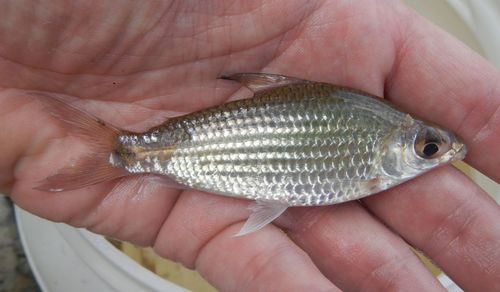
Steindachnerina
genusSteindachnerina
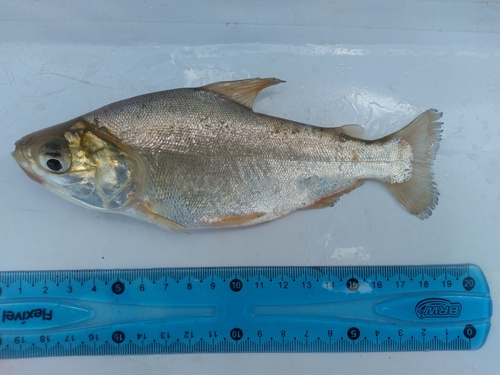
Potamorhina
genusPotamorhina

Psectrogaster
genusPsectrogaster

Curimata
genusCurimata
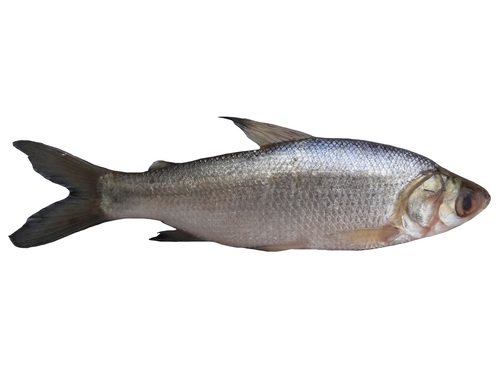
Pseudocurimata
genusPseudocurimata
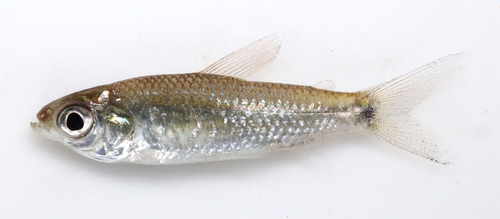
Curimatopsis
genusCurimatopsis
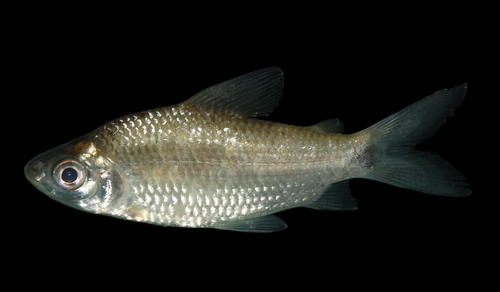
Curimatella
genusCurimatella
Where it lives
Recorded sightings
—
geo-referenced records in GBIF, from museums, herbaria and field observers.
Drag the globe to turn it. Dots are where records exist, not a range map; darker means more records.
In the stacks
Searching the stacks…
Every page naming Curimatidae in the Biodiversity Heritage Library →
This page is assembled live from iNaturalist, GBIF, Wikipedia, the Source Library and the Internet Archive. It is not yet part of the hand-edited codex. iNaturalist taxon 51407.