- Fungi Including Lichens
- ›Basidiomycete Fungi
- ›Higher Basidiomycetes
- ›Mushrooms, Bracket Fungi, Puffballs, and Allies
- ›Agaricomycetidae
- ›boletes and allies

boletes
Boletaceae
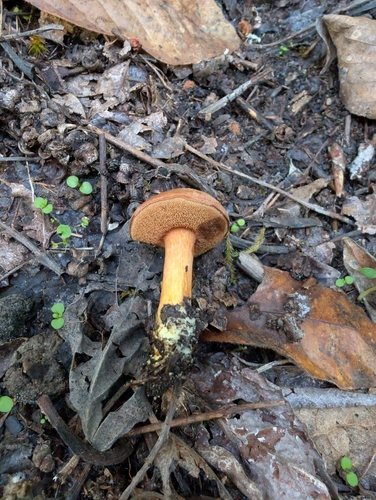
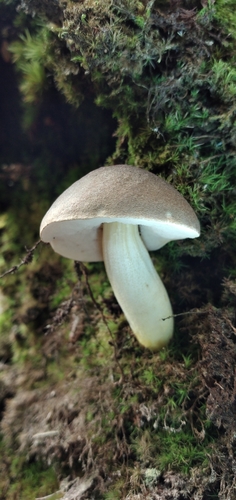
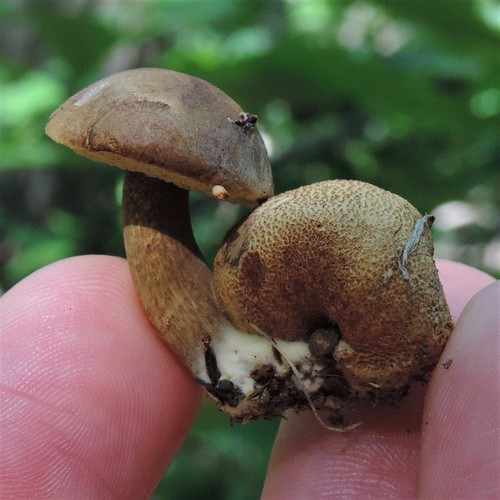
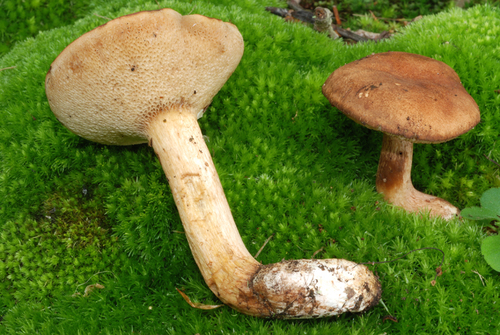
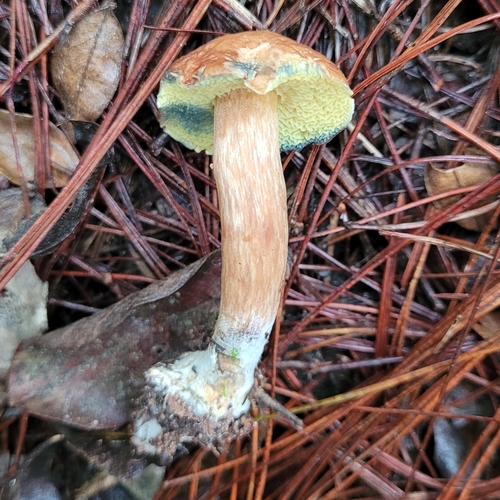
The Boletaceae are a family of mushroom-forming fungi, primarily characterised by small pores on the spore-bearing hymenial surface (at the underside of the mushroom), instead of gills as are found in most agarics. Nearly as widely distributed as the agarics, the family is renowned for hosting some prime edible species highly sought after by mushroom hunters worldwide, such as the cep or king bolete (Boletus edulis). A number of rare or threatened species are also present in the family, that have become the focus of increasing conservation concerns. As a whole, the typical members of the family are commonly known as boletes.
Boletes are a group of mushrooms reasonably safe for human consumption, as none of them are known to be deadly to adults. Edible bolete species are especially suitable for novice collectors, since they pose little danger of being confused with deadly poisonous mushrooms, such as deadly Amanita species which bear gills instead of pores in their hymenial surface. Some boletes are toxic and may cause gastrointestinal poisoning if consumed, but these are unlikely to be confused with popular edible species in the family.
50 branches of this family, most-observed first
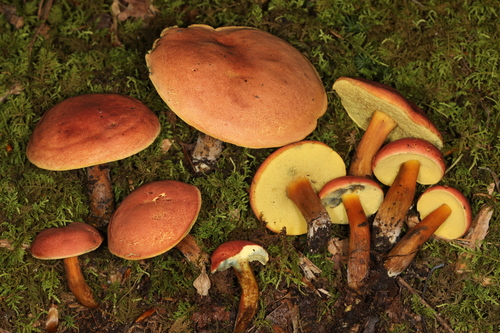
Boletoideae
subfamilyBoletoideae
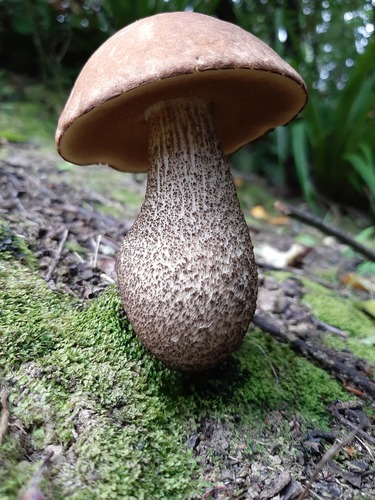
Leccinoideae
subfamilyLeccinoideae
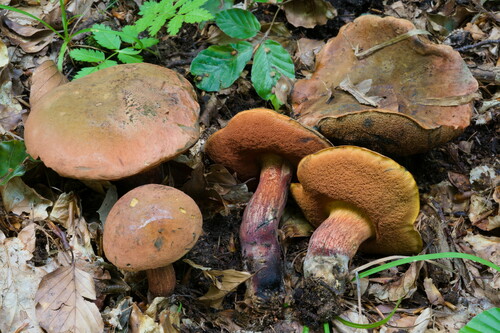
Suillelloideae
subfamilySuillelloideae
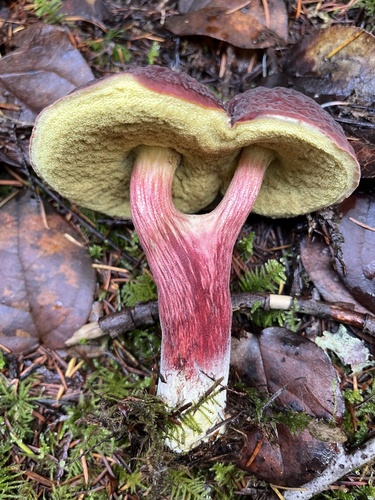
Xerocomoideae
subfamilyXerocomoideae

Baorangia
genusBaorangia
Chalciporoideae
subfamilyChalciporoideae

Hemileccinum
genusHemileccinum

Austroboletoideae
subfamilyAustroboletoideae
Zangioideae
subfamilyZangioideae
Pseudoboletus
genusPseudoboletus

Gastroboletus
genusGastroboletus

Imperator
genusImperator
Bothia
genusBothia
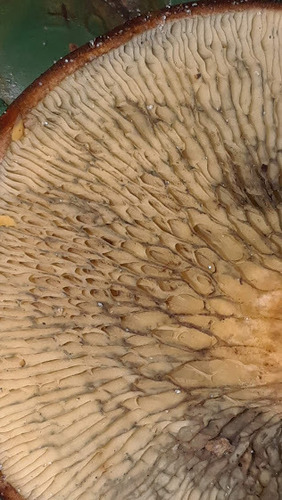
Phylloporopsis
genusPhylloporopsis
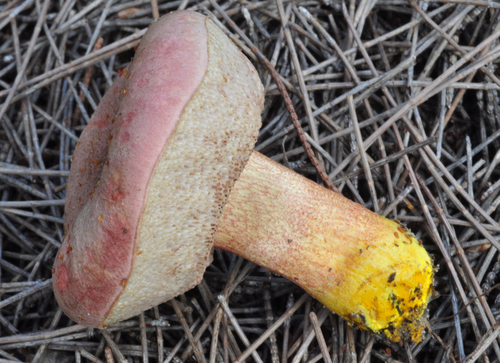
Australopilus
genusAustralopilus
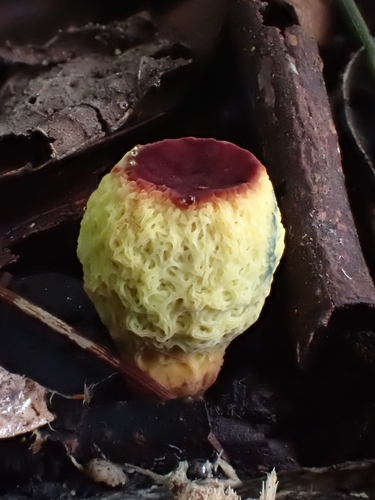
Gymnogaster
genusGymnogaster
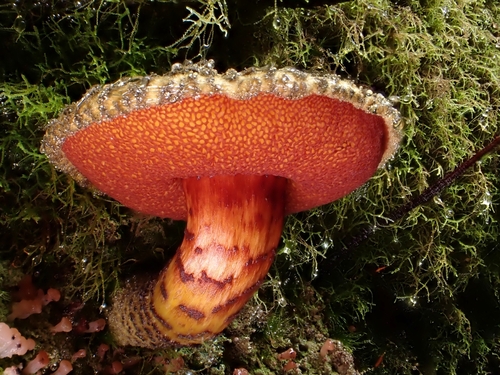
Amoenoboletus
genusAmoenoboletus

Crocinoboletus
genusCrocinoboletus
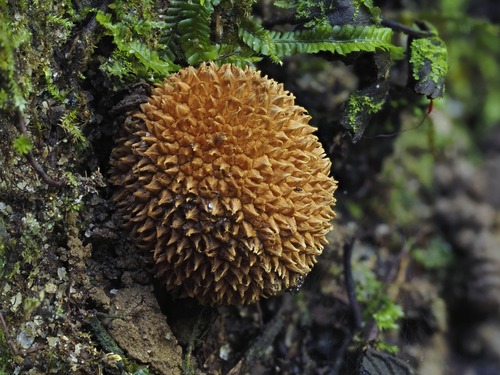
Durianella
genusDurianella
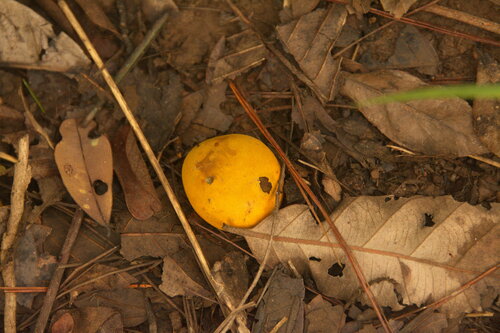
Mycoamaranthus
genusMycoamaranthus
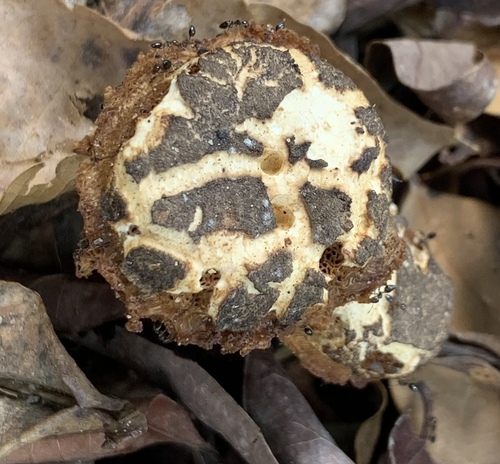
Spongispora
genusSpongispora

Tropicoboletus
genusTropicoboletus
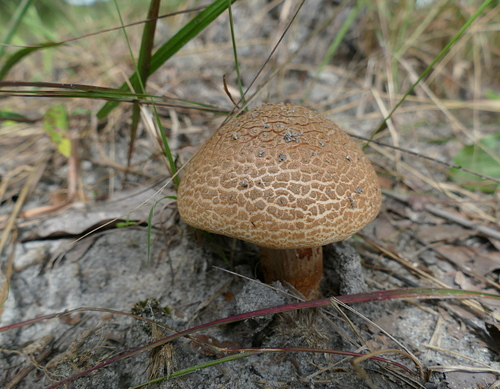
Tubosaeta
genusTubosaeta
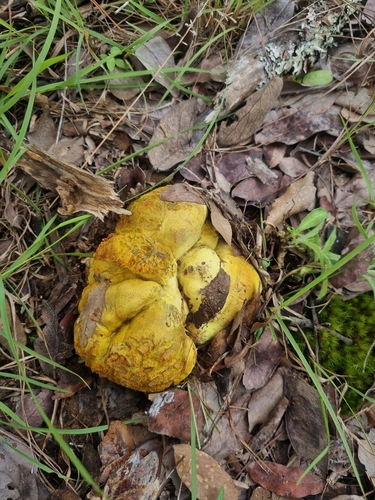
Mackintoshia
genusMackintoshia
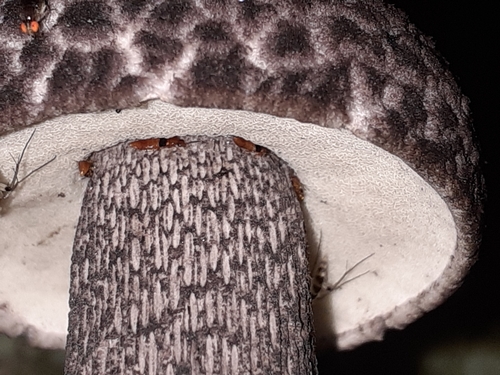
Brasilioporus
genusBrasilioporus
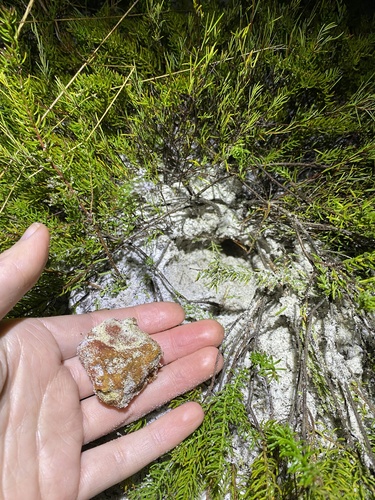
Solioccasus
genusSolioccasus

Wakefieldia
genusWakefieldia
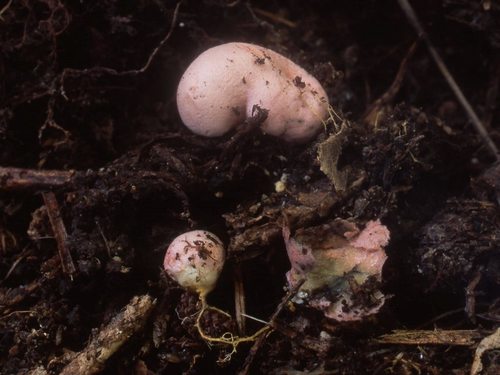
Turmalinea
genusTurmalinea
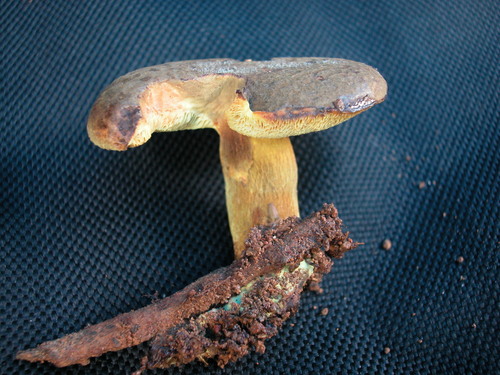
Binderoboletus
genusBinderoboletus
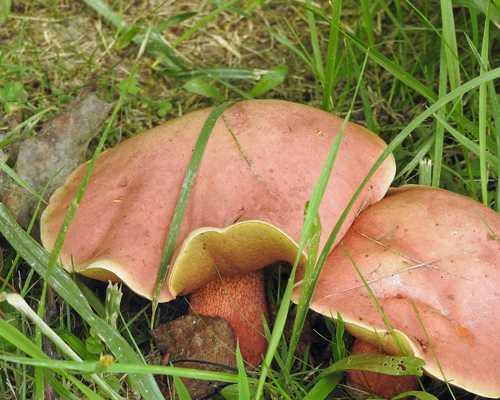
Boletochaete
genusBoletochaete
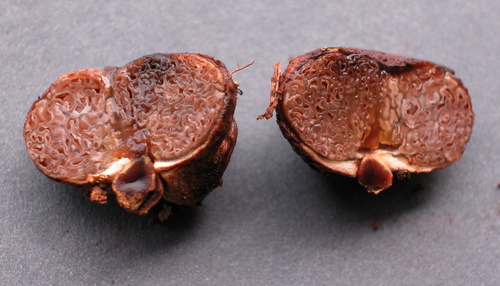
Castellanea
genusCastellanea
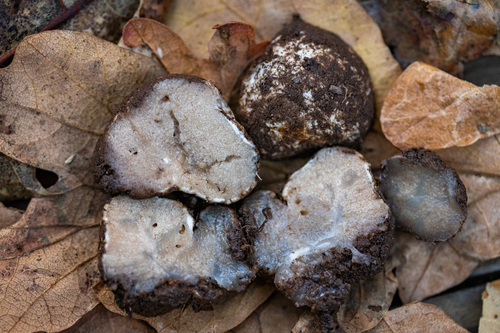
Carolinigaster
genusCarolinigaster
Jimtrappea
genusJimtrappea
Hourangia
genusHourangia
Phylloboletoideae
subfamilyPhylloboletoideae
Phaeogyroporus
genusPhaeogyroporus
Longistriata
genusLongistriata
Rhodactina
genusRhodactina
Setogyroporus
genusSetogyroporus
Ixechinus
genusIxechinus
Kombocles
genusKombocles
Niveoboletus
genusNiveoboletus
Hemilanmaoa
genusHemilanmaoa
Cacaoporus
genusCacaoporus
Pseudobaorangia
genusPseudobaorangia
Singeromyces
genusSingeromyces
Rhodobolites
genusRhodobolites
Paxillogaster
genusPaxillogaster
Gastroleccinum
genusGastroleccinum
Sirindhornea
genusSirindhornea
Where it lives
Recorded sightings
—
geo-referenced records in GBIF, from museums, herbaria and field observers.
Drag the globe to turn it. Dots are where records exist, not a range map; darker means more records.
In the old herbals & bestiaries

Illustrations of Fungi which Grow in Bavaria and the Palatinate around Ratisbon, Vols 1–2
Jacob Christian Schaeffer; C.H. Persoon (ed.) · 1800 · p.331

Illustrations of Fungi which Grow in Bavaria and the Palatinate around Ratisbon, Vols 1–2
Jacob Christian Schaeffer; C.H. Persoon (ed.) · 1800 · p.332

Illustrations of Fungi which Grow in Bavaria and the Palatinate around Ratisbon, Vols 1–2
Jacob Christian Schaeffer; C.H. Persoon (ed.) · 1800 · p.339

Illustrations of Fungi which Grow in Bavaria and the Palatinate around Ratisbon, Vols 1–2
Jacob Christian Schaeffer; C.H. Persoon (ed.) · 1800 · p.357
In the stacks
Searching the stacks…
Every page naming Boletaceae in the Biodiversity Heritage Library →
This page is assembled live from iNaturalist, GBIF, Wikipedia, the Source Library and the Internet Archive. It is not yet part of the hand-edited codex. iNaturalist taxon 48702.