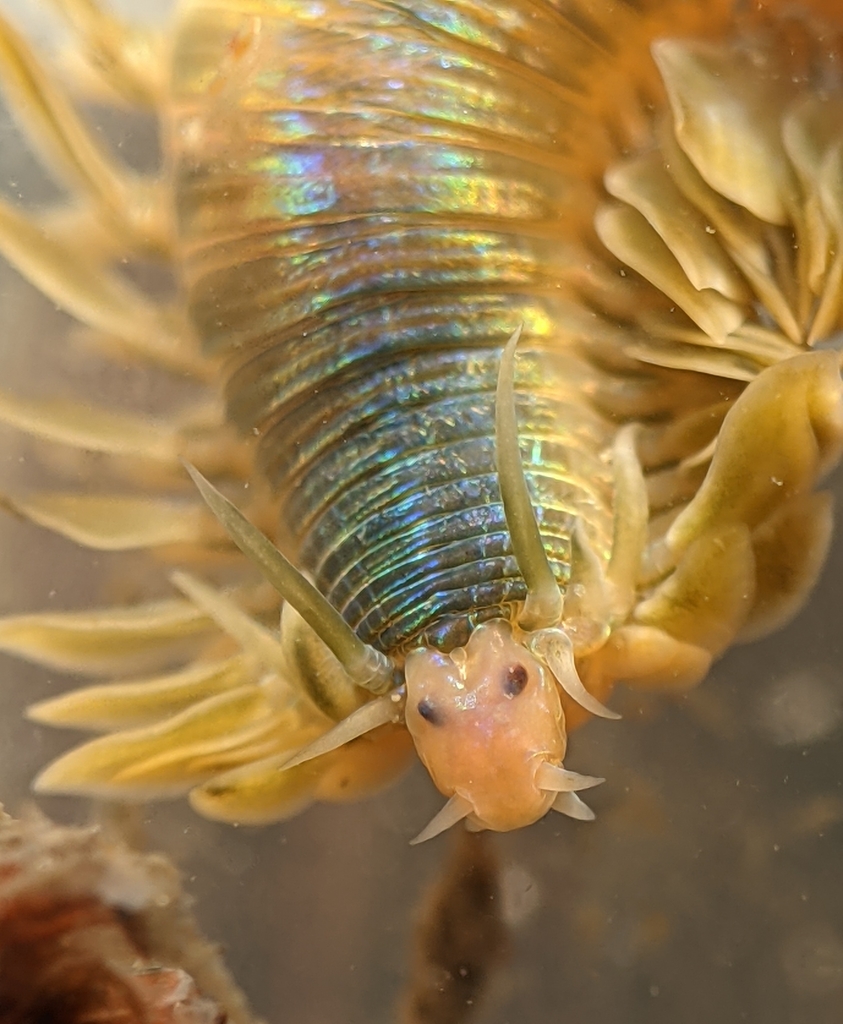
Polychaete Worms
Polychaeta
The Polychaeta /ˌpɒlɪˈkiːtə/, also known as the bristle worms or polychaetes, are a paraphyletic class of annelid worms, generally marine. Each body segment has a pair of fleshy protrusions called parapodia that bear many bristles, called chaetae, which are made of chitin. As such, polychaetes are sometimes referred to as bristle worms. More than 10,000 species are described in this class. Common representatives include the lugworm (Arenicola marina) and the sandworm or clam worm Alitta.
18 branches of this class, most-observed first
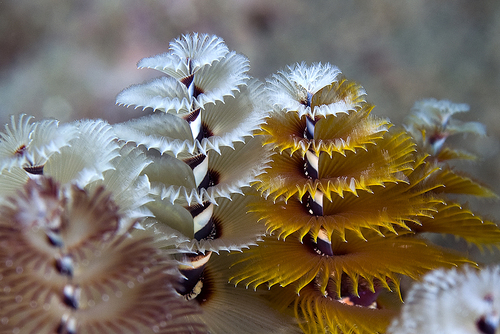
Sedentary and Tube-dwelling Bristleworms
subclassSedentaria

Active Free-living Bristleworms
subclassErrantia

Spoon Worms
subclassEchiura

Oweniidae
familyOweniidae

Magelonidae
familyMagelonidae
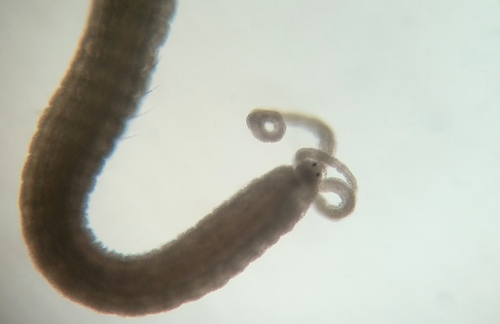
Saccocirridae
familySaccocirridae

Dinophilidae
familyDinophilidae
Polygordiidae
familyPolygordiidae
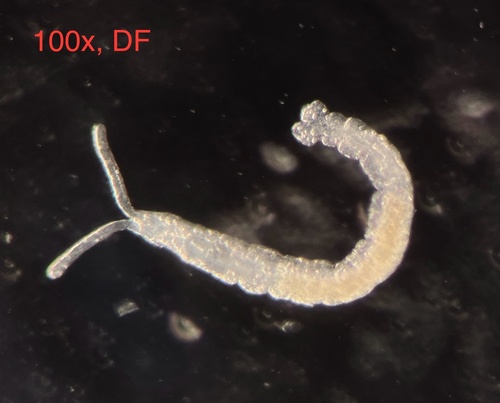
Protodrilidae
familyProtodrilidae
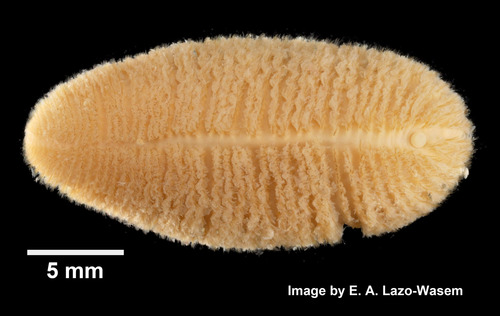
Spintheridae
familySpintheridae
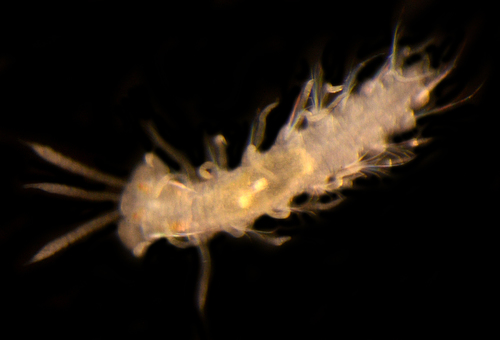
Nerillidae
familyNerillidae
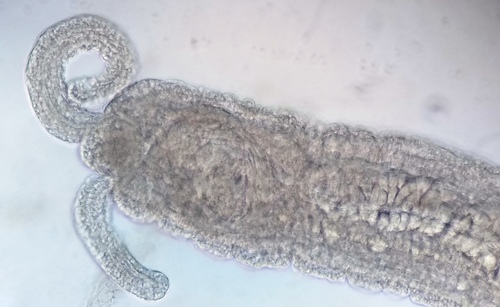
Protodriloididae
familyProtodriloididae
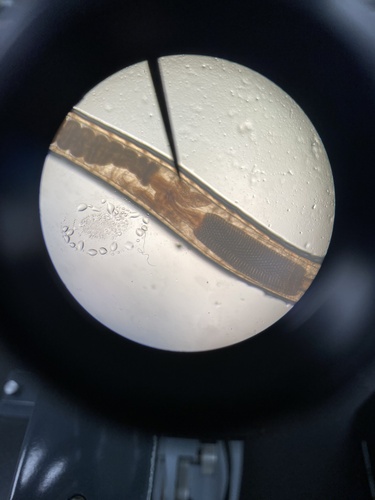
Psammodrilidae
familyPsammodrilidae
Laetmonectidae
familyLaetmonectidae
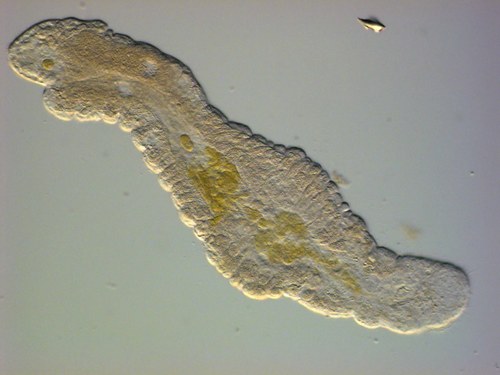
Apharyngtidae
familyApharyngtidae
Aberrantidae
familyAberrantidae
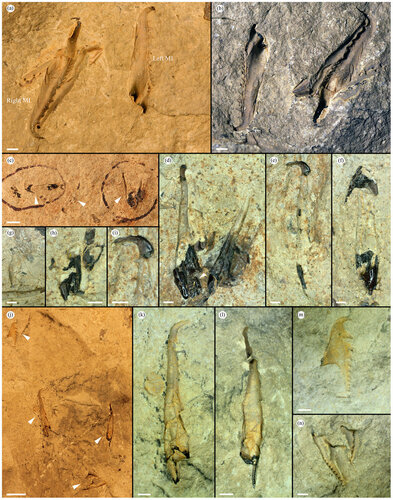
Websteroprion
genusWebsteroprion
Parergodrilidae
familyParergodrilidae
Where it lives
Recorded sightings
—
geo-referenced records in GBIF, from museums, herbaria and field observers.
Drag the globe to turn it. Dots are where records exist, not a range map; darker means more records.
In the stacks
Searching the stacks…
Every page naming Polychaeta in the Biodiversity Heritage Library →
This page is assembled live from iNaturalist, GBIF, Wikipedia, the Source Library and the Internet Archive. It is not yet part of the hand-edited codex. iNaturalist taxon 47490.