- Animals
- ›Arthropods
- ›Crustaceans
- ›Typical Crustaceans
- ›Malacostracans
- ›Decapods, Isopods, and allies
- ›Decapods and Krill
- ›Decapods
- ›Crabs, Lobsters, Shrimps, and Allies
- ›Caridean Shrimps
- ›Crangonoidea
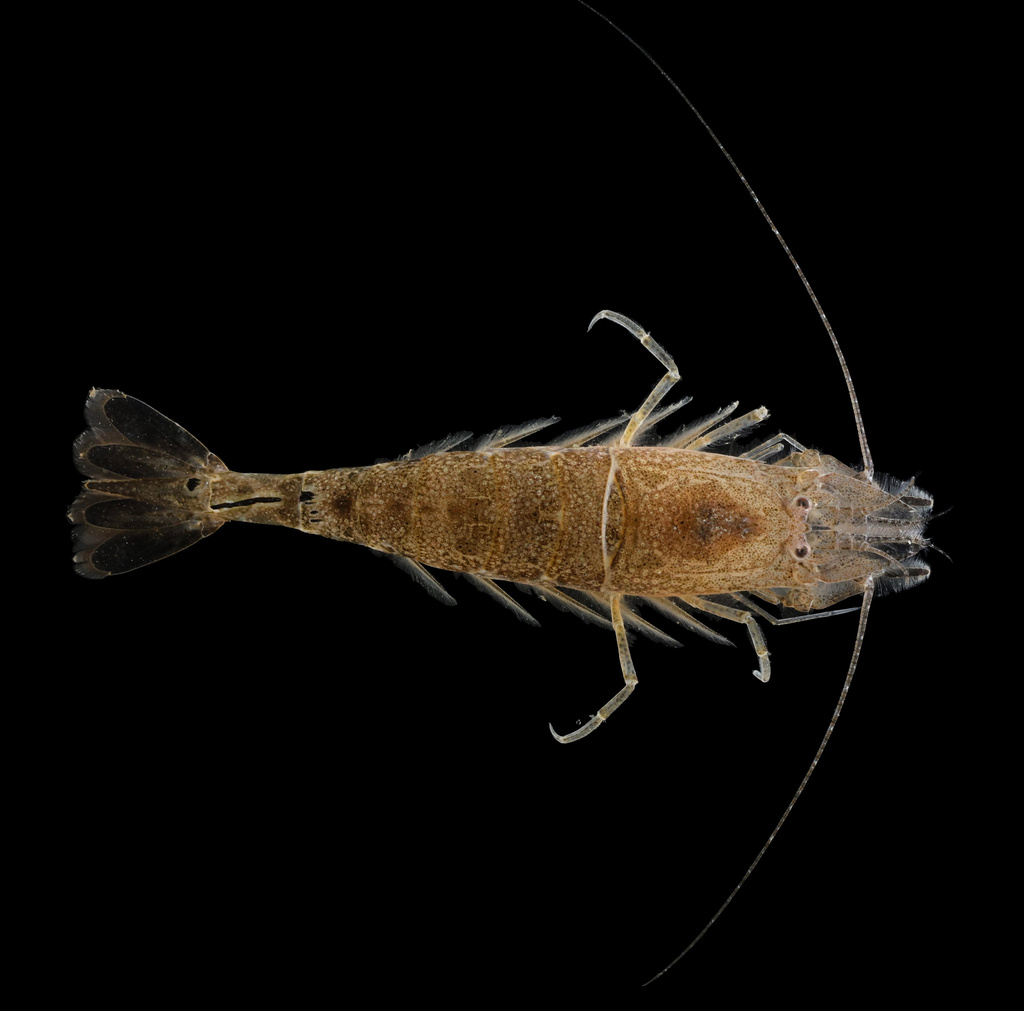
Crangonidae
Crangonidae is a family of shrimp, of the superfamily Crangonoidea, including the commercially important species Crangon crangon. Its type genus is Crangon. Crangonid shrimps' first pair of pereiopods have partially chelate claws that they use to capture their prey. They burrow shallowly into sediment on the sea floor, and feed on bivalves, crustaceans, polychaetes, and some small fish.
Two fossil species are known: Crangon miocenicus, discovered in 2001 in the early Miocene of the north Caucasus in Russia, and Morscrangon acutus, discovered in 2006 in the fur formation (early Eocene) in Denmark.
23 branches of this family, most-observed first
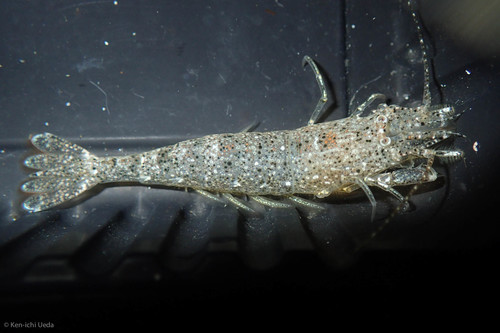
Crangon
genusCrangon
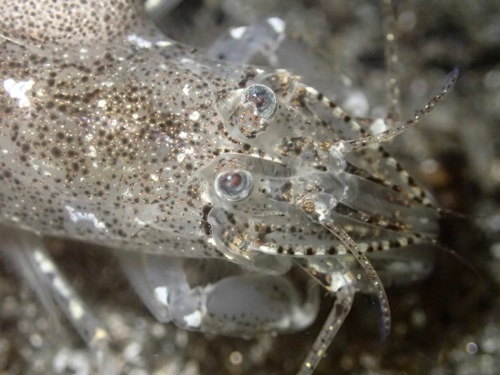
Lissocrangon
genusLissocrangon

Philocheras
genusPhilocheras
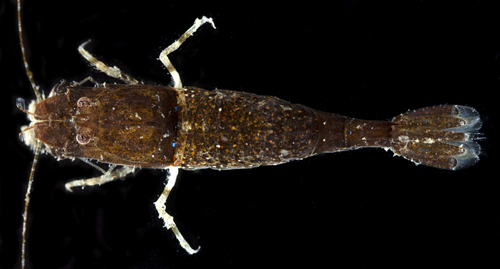
Mesocrangon
genusMesocrangon
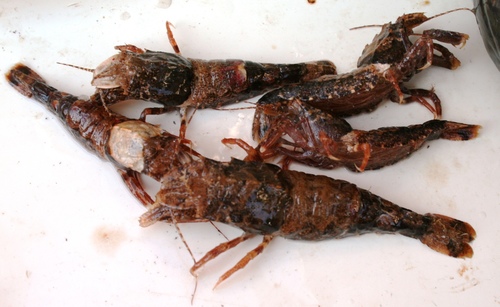
Sclerocrangon
genusSclerocrangon
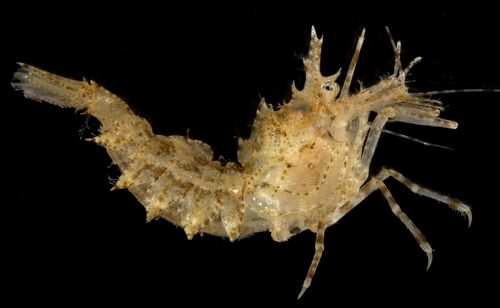
Paracrangon
genusParacrangon

Pontophilus
genusPontophilus

Sabinea
genusSabinea
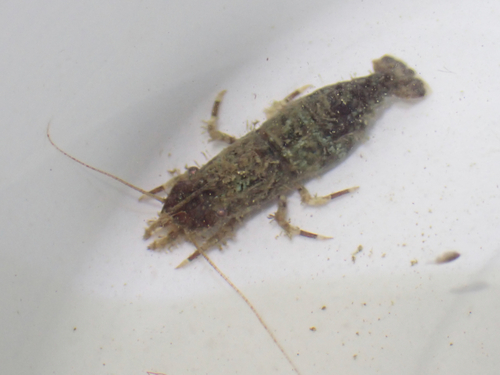
Rhynocrangon
genusRhynocrangon

Argis
genusArgis

Vercoia
genusVercoia
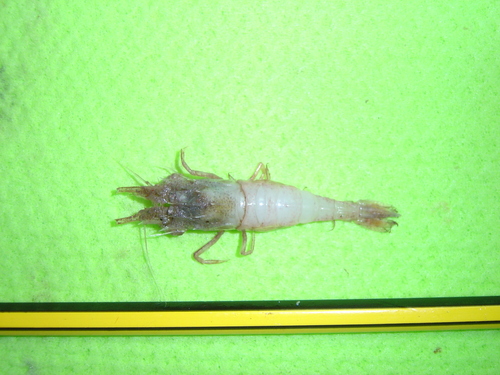
Metacrangon
genusMetacrangon

Aegaeon
genusAegaeon
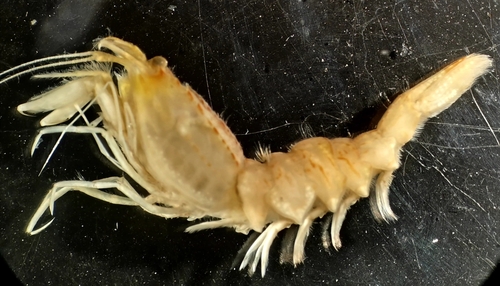
Pontocaris
genusPontocaris

Neocrangon
genusNeocrangon

Notocrangon
genusNotocrangon
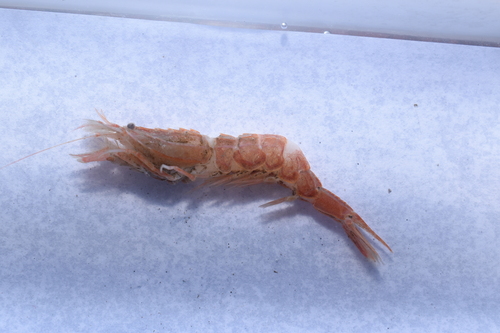
Parapontocaris
genusParapontocaris
Parapontophilus
genusParapontophilus
Lissosabinea
genusLissosabinea
Pseudopontophilus
genusPseudopontophilus
Prionocrangon
genusPrionocrangon
Placopsicrangon
genusPlacopsicrangon
Syncrangon
genusSyncrangon
Where it lives
Recorded sightings
—
geo-referenced records in GBIF, from museums, herbaria and field observers.
Drag the globe to turn it. Dots are where records exist, not a range map; darker means more records.
In the stacks
Searching the stacks…
Every page naming Crangonidae in the Biodiversity Heritage Library →
This page is assembled live from iNaturalist, GBIF, Wikipedia, the Source Library and the Internet Archive. It is not yet part of the hand-edited codex. iNaturalist taxon 47290.