- Animals
- ›Chordates
- ›Vertebrates
- ›Mammals
- ›Therians
- ›Placental Mammals
- ›Primates, Rodents, and Allies
- ›Rodents
- ›Mice, Rats, and Hamsters
- ›Muroids
- ›Hamsters, Voles, Lemmings, and Allies
- ›Hamsters
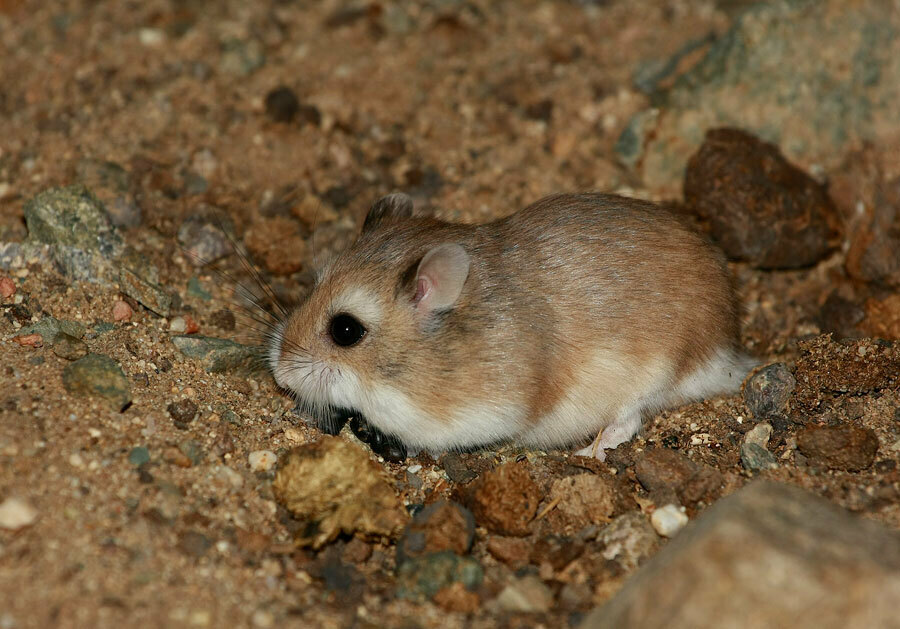
Small Desert Hamsters
Phodopus
Phodopus, a genus of rodents in the hamster subfamily Cricetinae—a division of the larger family Cricetidae—is a lineage of small hamsters native to central Asia that display unusual adaptations to extreme temperatures. They are the only known hamsters that live in groups and, as shown in Phodopus campbelli, rely on significant contributions by males to the raising of offspring. They are nocturnal and active throughout the year; they do not hibernate. Species of Phodopus, together with members of the genera Cricetulus, Allocricetulus and Tscherskia are called dwarf hamsters because of their small size (roughly 7 to 10 centimetres or 2.8 to 3.9 inches) relative to other hamsters.
Like other hamsters, members of Phodopus have a round body shape, short tails and cheek pouches in which they can store food. They all live in dry conditions with extreme temperatures. They inhabit the forests, steppes and semi-deserts of Mongolia, Siberia, China and Kazakhstan. Fossils of Phodopus have been found in Pleistocene and Pliocene deposits in Europe and Asia.
4 branches of this genus, most-observed first · about 3 known species
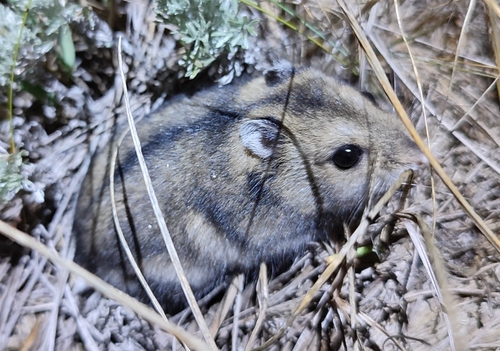
Dzhungarian Hamster
speciesPhodopus sungorus
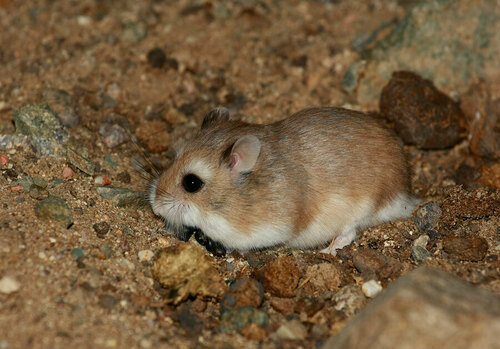
Desert Hamster
speciesPhodopus roborovskii
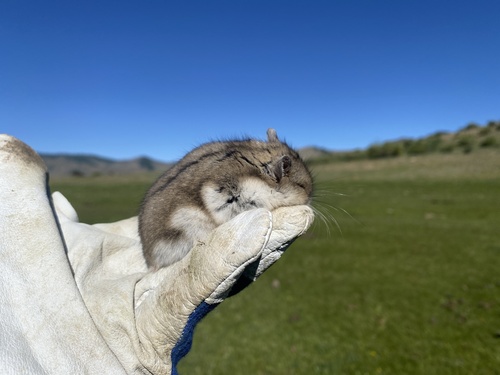
Campbell's Dwarf Hamster
speciesPhodopus campbelli

Orange Pudding Hamster
hybridPhodopus campbelli × sungorus
Where it lives
Recorded sightings
—
geo-referenced records in GBIF, from museums, herbaria and field observers.
Drag the globe to turn it. Dots are where records exist, not a range map; darker means more records.
In the stacks
Searching the stacks…
Every page naming Phodopus in the Biodiversity Heritage Library →
This page is assembled live from iNaturalist, GBIF, Wikipedia, the Source Library and the Internet Archive. It is not yet part of the hand-edited codex. iNaturalist taxon 44928.