Rhizobacteria
Rhizobiaceae
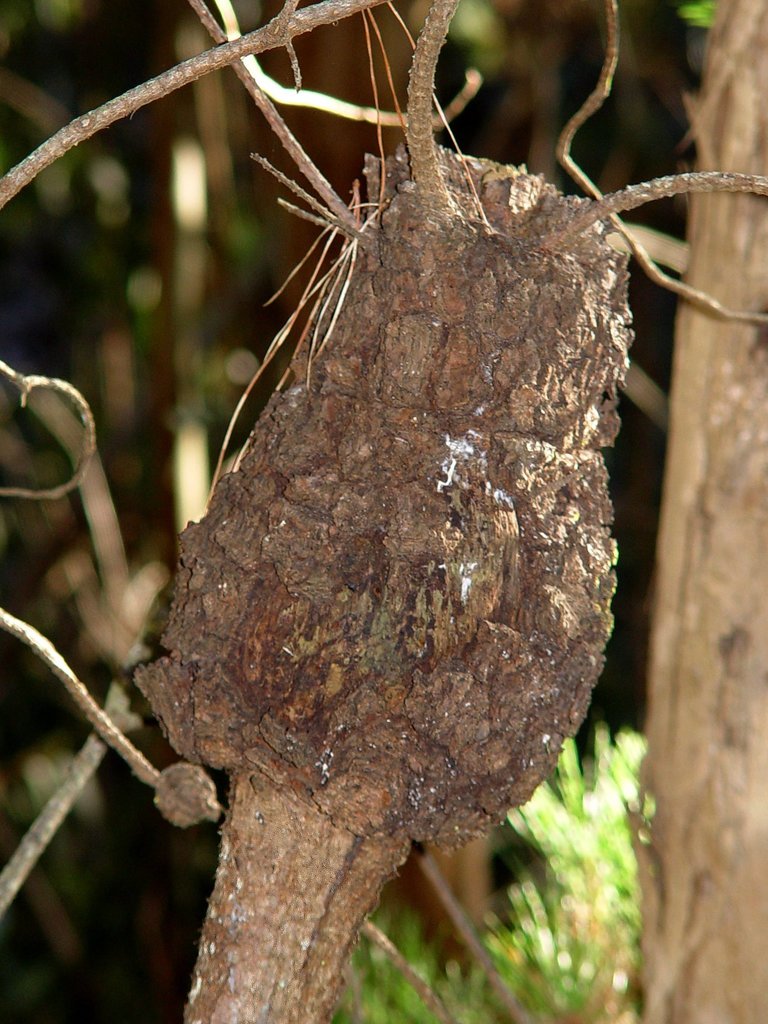
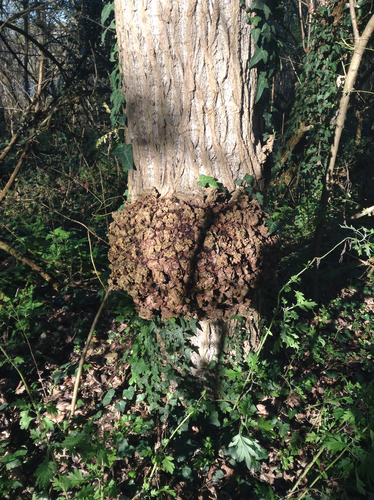
The Rhizobiaceae is a family of Pseudomonadota comprising multiple subgroups that enhance and hinder plant development. Some bacteria found in the family are used for plant nutrition and collectively make up the rhizobia. Other bacteria such as Agrobacterium tumefaciens and Rhizobium rhizogenes severely alter the development of plants in their ability to induce crown galls or hairy roots, respectively. The family has been of an interest to scientists for centuries in their ability to associate with plants and modify plant development. The Rhizobiaceae are, like all Pseudomonadota, Gram-negative. They are aerobic, and the cells are usually rod-shaped. Many species of the Rhizobiaceae are diazotrophs which are able to fix nitrogen and are symbiotic with plant roots.
8 branches of this family, most-observed first
agrobacteria
genusAgrobacterium

Rhizobium
genusRhizobium

Ensifer
genusEnsifer
Allorhizobium
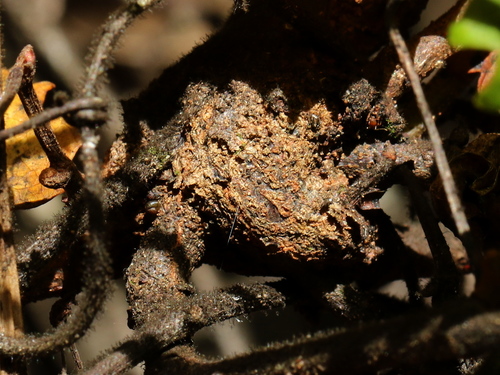
genusAllorhizobium

Sinorhizobium
genusSinorhizobium
Reichenowia
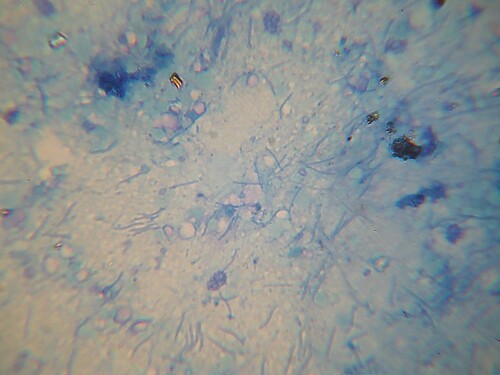
genusReichenowia
Carbophilus
genusCarbophilus
Ciceribacter
genusCiceribacter
Where it lives
Recorded sightings
—
geo-referenced records in GBIF, from museums, herbaria and field observers.
Drag the globe to turn it. Dots are where records exist, not a range map; darker means more records.
In the stacks
Searching the stacks…
Every page naming Rhizobiaceae in the Biodiversity Heritage Library →
This page is assembled live from iNaturalist, GBIF, Wikipedia, the Source Library and the Internet Archive. It is not yet part of the hand-edited codex. iNaturalist taxon 349868.